
NEWS
Tinubu Declares End of Raw Cocoa Export Era, Unveils Plan to Make Nigeria a Global Chocolate Powerhouse

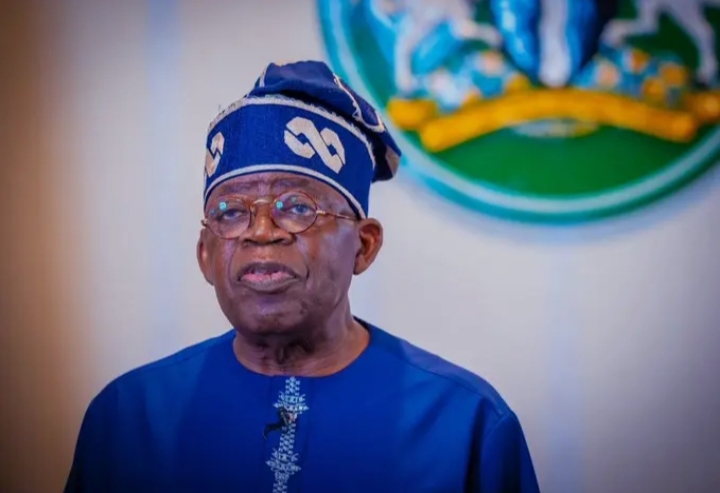
President Bola Ahmed Tinubu has declared that Nigeria will no longer remain a supplier of raw cocoa beans to the global market while importing finished chocolate products, announcing a major push to transform the country’s cocoa sector through local processing, industrialisation and value addition.
The President made the declaration on Tuesday at the 2026 Cocoa Value Addition Summit in Abuja, themed “From Bean to Brand: The Bean in My Hand, The Brand in Our Future.”
The high-level summit attracted government officials, cocoa-producing countries, investors, development partners, financial institutions and industry stakeholders, with discussions centred on how Africa can capture a larger share of the multibillion-dollar global chocolate industry.
Represented by the Minister of Agriculture and Food Security, Senator Abubakar Kyari, President Tinubu said Nigeria’s long-standing practice of exporting raw agricultural commodities while importing finished products must end.
He said the country must now process, package, brand and market its cocoa products locally in order to create jobs, increase foreign exchange earnings and ensure farmers benefit more from the value of their produce.
“Nigeria will no longer export raw beans while importing finished value. We will grind our beans at home, press our butter at home, make our chocolate at home, brand it at home and sell it to the world on our own terms,” the President said.
Africa Produces Cocoa, Others Capture the Wealth
President Tinubu noted that Africa produces about 70 per cent of the world’s cocoa, yet receives only a small share of the estimated $130 billion–$165 billion global chocolate market, largely because processing and branding activities are concentrated outside the continent.
He said Nigeria has the potential to become a major player in the global cocoa value chain, noting that more than 300,000 farming families cultivate cocoa across over 1.4 million hectares of farmland.
According to him, Nigeria’s cocoa sector has generated significant export earnings, particularly during periods of high global prices, but the country must move beyond relying on commodity exports.
He highlighted ongoing investments in cocoa processing, including a major facility being developed in Sagamu, Ogun State, which he described as the largest cocoa processing project in Nigeria.
Government Targets Industrial Transformation
The Minister of State for Industry, Senator John Owan Enoh, said the summit represents a major step towards implementing Nigeria’s industrialisation agenda.
He stressed that the country’s focus must shift from celebrating the quantity of cocoa exported to measuring the value created before products leave Nigerian shores.
“We are not interested in exporting anonymous sacks anymore. We are interested in exporting value,” Enoh said.
The minister, who recalled growing up around cocoa farms in Cross River State, said many cocoa-producing communities had contributed immensely to Nigeria’s economy without enjoying the full benefits of the industry.
He argued that establishing more processing facilities in producing states would improve farmers’ incomes, create employment opportunities and strengthen rural economies.
BOI Opens Financing Window for Cocoa Investments
The Managing Director and Chief Executive Officer of the Bank of Industry, Dr Olasupo Olusi, announced the institution’s readiness to provide long-term financing for investors across the cocoa value chain.
He said the bank would support projects covering the entire ecosystem — from cocoa farming and cooperatives to processing plants, ingredient manufacturing, packaging and chocolate production.
Olusi revealed that the bank had secured a €60 million facility from the European Investment Bank to support cocoa sector development.
He added that the Bank of Industry had already financed thousands of agro-processing businesses and linked smallholder farmers to industrial value chains.
According to him, cocoa should not be viewed merely as an agricultural commodity but as a foundation for industrial growth.
Africa Seeks Stronger Cocoa Alliance
The Chief Executive of the Ghana Cocoa Board, Ransford Abbey, called for deeper cooperation among Africa’s major cocoa-producing countries, including Nigeria, Ghana, Côte d’Ivoire and Cameroon.
He said African countries produce between 75 and 77 per cent of global cocoa, but earn less than 10 per cent of the value generated by the chocolate industry.
Abbey advocated the creation of a stronger African cocoa alliance capable of controlling a significant share of global cocoa production and improving the continent’s bargaining power.
“We do not need charity. We deserve equity. The time has come for Africa to process its own wealth, protect its farmers and negotiate with one voice,” he said.
A New Future for Nigerian Cocoa
The summit concluded with the adoption of the Cocoa Value Addition Accord and the proposed Abuja Declaration, aimed at accelerating domestic processing, attracting investments, improving farmer welfare and strengthening cooperation among cocoa-producing nations.
Nigeria, once the world’s second-largest cocoa producer, has seen its global ranking decline due to years of underinvestment, policy gaps and the dominance of the oil economy.
However, the Federal Government says the renewed focus on cocoa value addition is part of a broader strategy to diversify the economy, expand non-oil exports, create millions of jobs and support the ambition of building a $1 trillion Nigerian economy.