Category Archives: NEWS

FCT-IRS Launches Taxporta to Simplify Tax Compliance and Boost Revenue Collection

The Federal Capital Territory Internal Revenue Service (FCT-IRS) has unveiled Taxporta, a comprehensive digital tax administration platform designed to modernise tax collection, improve voluntary compliance and align tax administration with the provisions of Nigeria’s 2025 Tax Reform Acts.

The platform was officially launched during a stakeholders’ engagement with Ministries, Departments and Agencies (MDAs) held at the National Assembly Library Trust Fund Complex in Abuja.

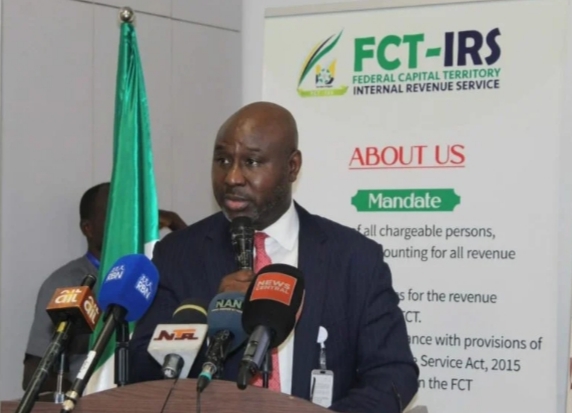
Speaking at the event, the Executive Chairman of FCT-IRS, Michael Ango, described the introduction of Taxporta as a major milestone in the agency’s ongoing digital transformation programme.

According to him, the platform enables taxpayers to carry out virtually every tax-related transaction online, eliminating the need for physical visits to FCT-IRS offices.

“Modern institutions must embrace technology to remain efficient and responsive. Taxporta allows taxpayers to access our services from anywhere, making tax administration faster, easier and more convenient,” he said.

A Fully Digital Tax Experience

Taxporta is a self-service platform that allows individuals, businesses and organisations to:

– Register as taxpayers.

– File tax returns online.

– Automatically calculate tax liabilities.

– Make tax payments electronically.

– Generate payment receipts instantly.

– Obtain Tax Clearance Certificates (TCCs) without visiting any tax office.

One of the platform’s key innovations is its integration with the provisions of the new tax laws. Once taxpayers enter their income information, the system automatically applies all statutory reliefs, allowances and deductions before calculating the amount payable.

According to Ango, this automation reduces human errors, improves transparency and makes tax compliance much simpler for taxpayers.

Driving Voluntary Compliance

Despite stronger enforcement measures contained in the new tax laws, the FCT-IRS says its priority remains encouraging voluntary compliance rather than imposing penalties.

Ango explained that taxpayers with genuine reasons for delayed filing would be given reasonable extensions, stressing that sanctions would only apply where there is deliberate refusal to comply with tax obligations.

He also expressed confidence that the digital platform would significantly improve internally generated revenue (IGR), noting that the agency is focused on maximising collections rather than merely achieving predetermined revenue targets.

Why Tax Revenue Matters to the FCT

The FCT-IRS chairman emphasised that tax revenue remains the backbone of infrastructure development within the Federal Capital Territory.

According to him, the FCT receives only one per cent of the Federal Government’s allocation from the Federation Account, making internally generated revenue the primary source of funding for roads, healthcare, education, public services and other development projects.

He also noted that the stakeholder engagement was organised to educate government institutions on the implementation of the 2025 tax reforms, gather feedback from stakeholders and ensure a smooth migration from the previous digital tax platform while preventing multiple taxation.

Key Provisions of the 2025 Tax Reform

During the sensitisation session, Tax Controller, MDA Tax Office, Fatima Abubakar, highlighted several important provisions of the Nigerian Tax Administration Act (NTAA) 2025 and related tax reforms.

She explained that every taxable individual, business and government institution is now required to possess a Taxpayer Identification Number (TIN). The tax authority also has the legal authority to automatically generate TINs using taxpayers’ National Identification Numbers (NINs).

Abubakar further clarified that taxable income now extends beyond basic salaries to include various employee benefits and allowances received in cash or in kind.

For instance, she noted that five per cent of the value of an official vehicle provided to an employee is considered taxable income under the new law.

She warned that failure to file complete tax returns attracts a penalty of ₦100,000 for the first month of default and ₦50,000 for each subsequent month until compliance is achieved.

In addition, Ministries, Departments and Agencies must demand valid Tax Clearance Certificates from contractors before awarding contracts. Failure to comply with this requirement could attract a ₦5 million penalty.

Stakeholders Welcome the Initiative

Executive Secretary of the National Assembly Library Trust Fund, Henry Nwauna, described the engagement as an important step towards strengthening collaboration between government institutions and tax authorities.

Similarly, a Tax Manager at Nigerian National Petroleum Company Limited, Mohammed Ali, commended the FCT-IRS for promoting transparency and building stakeholder confidence through continuous engagement.

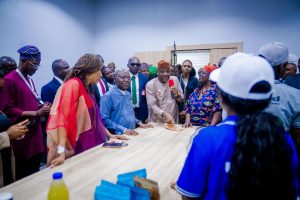
The Director of ICT, Ayokanmi Ogunwumiju, also demonstrated the integrated payment solutions available on Taxporta, showcasing the platform’s security architecture, ease of use and seamless electronic payment process.

A Major Step Towards Digital Tax Administration

The launch of Taxporta reflects the FCT-IRS’ broader commitment to leveraging technology to improve tax administration, simplify compliance and increase internally generated revenue.

By digitising taxpayer registration, filing, payment and certification processes, the Service aims to reduce bureaucracy, improve transparency, minimise tax evasion and create a more efficient and taxpayer-friendly system.

As Nigeria continues implementing its 2025 tax reforms, Taxporta is expected to serve as a model for modern, technology-driven tax administration capable of supporting sustainable economic growth and improved public service delivery.
Abia Makes History as Nigeria’s First Manu-Tech Innovation Hub Opens to Boost Manufacturing and Entrepreneurship

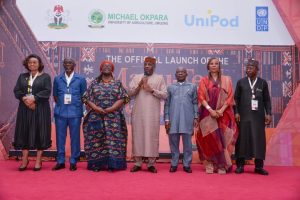
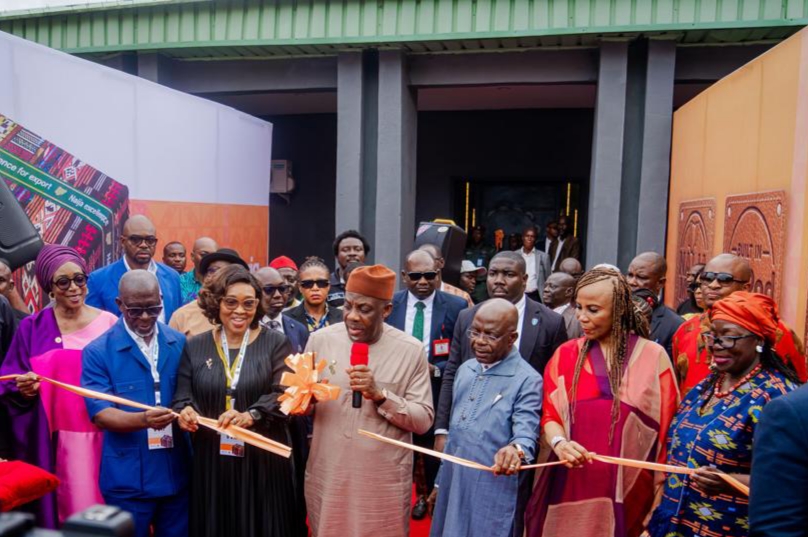
Abia State has recorded another major milestone in its drive for innovation and industrial development with the official launch of Nigeria’s first Manufacturing Technology University Innovation Pod (Manu-Tech UniPod) at Michael Okpara University of Agriculture, Umudike (MOUAU).

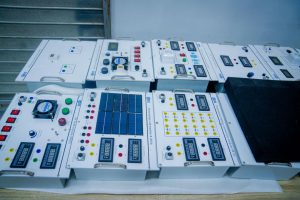
The groundbreaking facility is a collaborative project of the Federal Government of Nigeria, the United Nations Development Programme (UNDP), the Tertiary Education Trust Fund (TETFund), and the Abia State Government. It is designed to bridge the gap between academic research and industry by equipping students, researchers and entrepreneurs with advanced manufacturing technologies, prototyping facilities and business support to develop market-ready products.

Representing Vice President Senator Kashim Shettima, the Minister of Education, Dr. Tunji Alausa, described the UniPod as a strategic investment in Nigeria’s future, saying it reflects the Federal Government’s commitment to transforming higher education into a hub for innovation, entrepreneurship, technology transfer and job creation.

According to him, Nigerian universities must evolve beyond traditional teaching and research to become centres that drive industrial competitiveness and economic growth.

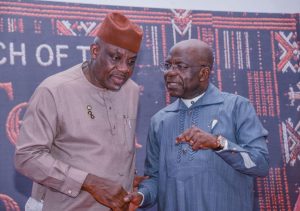
Delivering his keynote address titled “Science Meets Enterprise,” Governor Alex Otti said the choice of Abia as the host of the country’s first Manu-Tech UniPod demonstrates the confidence the Federal Government and the UNDP have in the state’s enormous economic and industrial potential.

Governor Otti noted that the innovation hub aligns perfectly with his administration’s vision of building a knowledge-driven economy where research directly solves societal challenges and supports enterprise development.

He expressed confidence that the facility would inspire a new generation of researchers to focus on practical innovations with commercial value instead of producing academic work solely for promotion purposes.

The Governor also praised the Federal Government, UNDP and TETFund for their sustained partnership with Abia, noting that the collaboration has continued to deliver programmes that promote entrepreneurship, youth empowerment, innovation and job creation.

Speaking at the event, UN Assistant Secretary-General and UNDP Regional Director for Africa, Ahunna Eziakonwa, described the launch as a demonstration of the United Nations’ commitment to sustainable development through innovation. She commended Governor Otti’s investments in education and his vision of transforming Abia into a leading destination for industrial development.

Similarly, UNDP Resident Representative in Nigeria, Elsie Attafuah, explained that the Manu-Tech UniPod forms part of a broader national innovation ecosystem designed to connect education, research, manufacturing and enterprise. She applauded the Federal Government, TETFund and the Abia State Government for supporting innovation-driven development.

Earlier, the Vice-Chancellor of Michael Okpara University of Agriculture, Umudike, Professor Ursula Akanwa, described the commissioning as a defining moment in the university’s history. She said the project strengthens the institution’s mandate of deploying science, technology and innovation to advance agriculture, manufacturing and enterprise.

The launch ceremony attracted top government officials, members of the Abia State Executive Council, traditional rulers, academics, development partners and industry stakeholders.

With access to advanced manufacturing equipment, product development laboratories and industry mentorship, the Manu-Tech UniPod is expected to help transform research ideas into commercially viable products, nurture innovative startups and position Abia as one of Nigeria’s leading centres for manufacturing excellence and industrial innovation.

Budget Controversy: Almajiri Education Commission Denies Ownership of Questioned 2026 Projects

The National Commission for Almajiri and Out-of-School Children’s Education (NCAOOSCE) has defended its role in implementing several controversial projects listed under its 2026 budget, clarifying that the projects were not initiated by the Commission but were National Assembly constituency projects assigned to it for execution.

The clarification comes amid growing public scrutiny over budget items considered unrelated to the Commission’s statutory mandate, following reports that questioned why an agency established to address Nigeria’s Almajiri system and out-of-school children crisis was allocated projects outside the education sector.

In a statement issued on Tuesday by the Executive Secretary’s Special Assistant on Media and Communications, Nura Muhammad, the Commission explained that the projects became part of its implementation responsibilities after they were included in the 2026 Appropriation Act.

According to the Commission, assigning constituency projects to Ministries, Departments and Agencies (MDAs) is a long-standing feature of Nigeria’s federal budgeting process. Once the National Assembly passes the budget and projects are assigned to an agency, the agency is legally required to execute them in line with procurement laws and financial regulations.

Despite the controversy, the Commission stressed that its statutory mandate remains unchanged. It said its primary responsibility is to coordinate national efforts aimed at reforming the Almajiri education system and reducing the number of out-of-school children through policies and programmes that expand access to quality education.

Highlighting its achievements, the Commission disclosed that it has profiled more than 700,000 out-of-school children across Nigeria and established 119 learning centres nationwide. It also said it has intensified grassroots advocacy campaigns and continues to implement the National Policy on Almajiri Education in collaboration with state governments and development partners.

The Commission reaffirmed its commitment to ensuring that vulnerable children have access to education while acknowledging the support of the Minister of Education, Dr. Tunji Maruf Alausa, and the Minister of State for Education, Prof. Suwaiba Sa’id Ahmad.

The statement comes as debates over the 2026 Appropriation Act continue to intensify, with several federal agencies facing questions over budget allocations perceived to fall outside their legal responsibilities. Analysts say the controversy has renewed calls for greater transparency, accountability and better alignment between government agencies’ statutory mandates and the projects assigned to them.

While the Commission insists it is only carrying out legal obligations imposed by the Appropriation Act, it maintains that addressing Nigeria’s out-of-school children crisis remains its foremost priority.

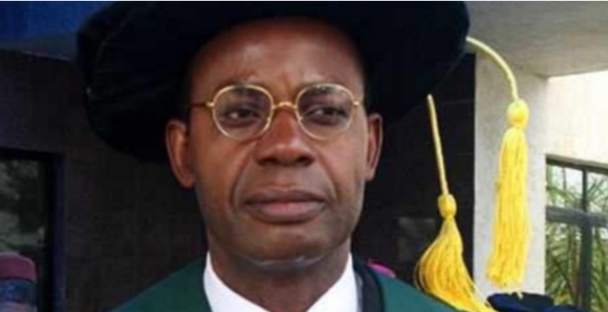
Outrage, Pressure Force Release of Ex-UNN Vice-Chancellor Prof. Martin Aghaji After DSS Detention Sparks National Concern

Renowned cardiothoracic surgeon and former Vice-Chancellor of the University of Nigeria, Nsukka (UNN), Emeritus Professor Martin A.C. Aghaji, has regained his freedom following days in the custody of the Department of State Services (DSS), in a case that triggered widespread concern across Nigeria’s medical and civil society communities.

Professor Aghaji was released on Sunday after what sources described as sustained pressure from the Nigerian Medical Association (NMA), senior medical professionals, and civil society groups who demanded clarity on the circumstances of his arrest or his immediate release.

The respected surgeon had reportedly been held incommunicado, with no official disclosure of the allegations against him at the time of his detention. This silence fuelled growing anxiety within Nigeria’s medical community and raised questions about adherence to due process.

Despite his release, authorities had not issued any public statement explaining the reasons for his arrest or the conditions that led to his detention, leaving many aspects of the case unresolved.

The development sparked swift backlash from the medical profession, prompting the Enugu State chapter of the Nigerian Medical Association to convene an emergency meeting of its State Officers’ Council. In a communiqué, the association condemned the manner of his arrest, stressing that while security agencies have lawful duties, citizens must be treated with dignity and in line with constitutional safeguards.

The NMA said it immediately engaged several authorities, including the Office of the Security Adviser to the Enugu State Governor, the Nigeria Police Force, and DSS officials, but received no official explanation regarding the detention.

Describing Professor Aghaji as “an internationally acclaimed cardiothoracic surgeon, distinguished academic, and medical icon,” the association demanded his immediate release or, at minimum, full respect for his constitutional rights, including access to legal counsel, family members, and medical care.

The pressure led to the convocation of an Emergency General Meeting by the association to determine further steps, while also escalating the matter to the national leadership of the NMA for broader intervention.

Professor Aghaji’s release reportedly came less than 24 hours after the medical body’s formal communiqué, amid mounting public scrutiny and growing advocacy from stakeholders across the country.

Although the precise circumstances surrounding his release remain unclear, multiple sources suggest that coordinated pressure from professional bodies and concerned stakeholders played a decisive role.

Widely regarded as one of Nigeria’s foremost cardiothoracic surgeons, Professor Aghaji has built a distinguished career spanning decades in medical education, surgical innovation, and institutional leadership, including his tenure as Vice-Chancellor of UNN.

His detention and subsequent release have reignited national debate over civil liberties, due process, and the balance between security operations and citizens’ constitutional rights in Nigeria.

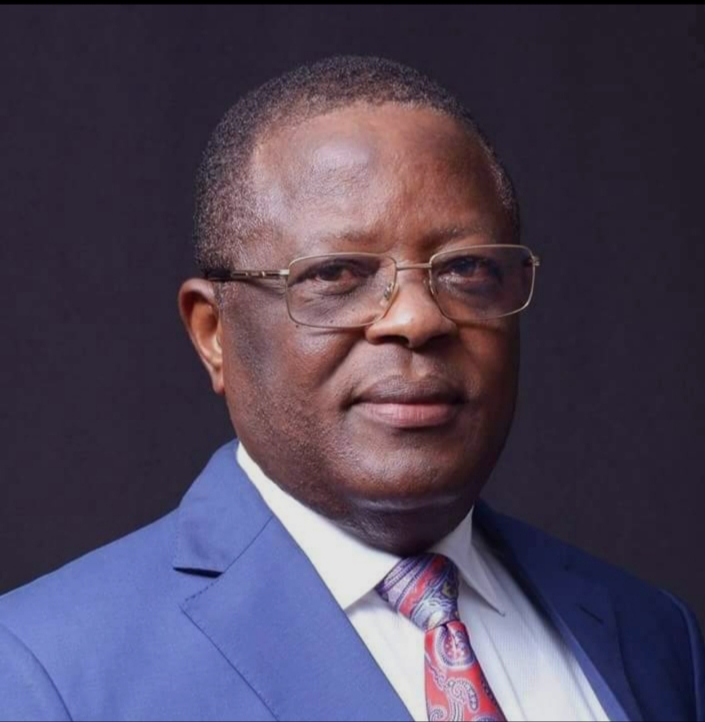
Tinubu Turns Roads into Security Strategy as Nigeria Expands North-East Military Logistics Network

The Federal Government has revealed that ongoing road rehabilitation and construction projects under President Bola Tinubu’s administration are being strategically deployed as part of broader efforts to combat insecurity across Nigeria.

Minister of Works, David Umahi, disclosed this during the flag-off of major infrastructure projects at the Muna City Gate along the Maiduguri–Dikwa–Gamboru road over the weekend.

According to Umahi, the administration is deliberately prioritizing key highway corridors to improve military mobility, strengthen logistics, and reconnect communities affected by years of insurgency in the North-East.

He explained that the road projects are not only designed to enhance transportation and economic activity but also to serve as critical support infrastructure for ongoing counter-insurgency operations.

Umahi noted that improved road networks would allow quicker and safer access for security forces, particularly in border communities linking Nigeria with Chad and Cameroon.

He stated that the initiative aligns with President Tinubu’s broader security strategy, which integrates infrastructure development with military effectiveness.

“These road infrastructure projects are part of President Tinubu’s bigger plan to tackle insecurity,” Umahi said.

He added that once completed, the highways would significantly benefit residents of the North-East by boosting trade, improving regional connectivity, and restoring socio-economic life in communities previously disrupted by conflict.

Beyond civilian benefits, Umahi emphasized that the strategic value of the projects lies in their ability to enhance military response times and operational reach in areas still affected by insurgency remnants.

The developments reflect a growing shift in Nigeria’s security approach—one that links infrastructure development with defence planning, particularly in volatile regions where accessibility remains a major challenge for security operations.

As construction advances along key corridors in the North-East, the government maintains that improved road infrastructure will play a dual role: driving economic recovery while reinforcing national security architecture.

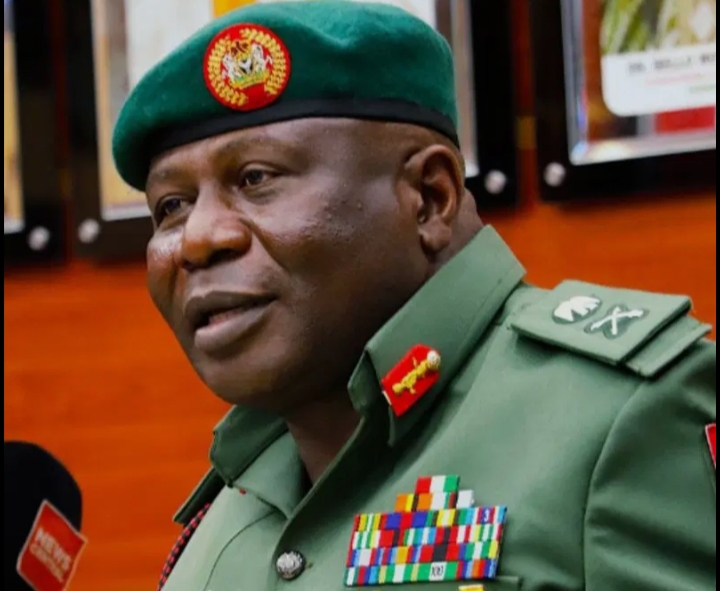
Army Chief Sounds Alarm: Sahel, Lake Chad Instability Driving Nigeria’s Security Crisis

Nigeria’s Chief of Army Staff, Olufemi Oluyede, has identified growing instability across the Lake Chad Basin, the Sahel region and the Gulf of Guinea as major external factors worsening the country’s security challenges.

Speaking during the Nigerian Army Day Celebration 2026 in Port Harcourt, Oluyede said Nigeria’s security environment has become increasingly complex, driven not only by domestic threats but also by conflicts spilling over from neighbouring regions.

According to the Army Chief, the country continues to battle insurgency, terrorism, banditry, cybercrime, transnational organised crime and resource-related conflicts. He noted that the widespread proliferation of small arms, porous borders and the exploitation of ethnic and religious divisions have further complicated efforts to restore peace.

“Beyond Nigeria’s borders, instability within the Lake Chad Basin, the Sahel Region and along the Gulf of Guinea continues to influence and exacerbate the domestic threat environment,” Oluyede stated.

Modern Warfare Demands New Strategies

Oluyede explained that advances in technology—including artificial intelligence, cyber operations and unmanned systems—have fundamentally changed the nature of modern warfare. He stressed that the Nigerian Army must continue adapting its operational strategies to effectively counter these emerging threats.

To strengthen national security, he said the Army has intensified collaboration with other security agencies, enhanced intelligence gathering and expanded community engagement initiatives. These efforts, he noted, are complemented by investments in modern military technology and a balanced approach that combines both kinetic and non-kinetic operations to dismantle criminal networks and restore stability.

Greater Focus on Human Rights and Civilian Protection

The Army Chief also highlighted a shift towards people-centred military operations, emphasizing that civilian protection and respect for human rights remain central to the Army’s mission.

He cited the establishment of Human Rights Desks, expanded civil-military relations programmes and stricter enforcement of rules of engagement designed to minimise civilian casualties and build public confidence in military operations.

Building Capacity for Emerging Threats

Oluyede disclosed that the Nigerian Army is expanding specialised training in counter-insurgency, urban warfare and cyber defence while supporting reconstruction, humanitarian assistance and peace-building initiatives in communities affected by conflict.

He reaffirmed the Army’s commitment to professionalism, innovation and stronger collaboration with regional and international partners, expressing confidence that these partnerships will enhance Nigeria’s capacity to confront evolving security threats.

The remarks underscore the growing recognition that Nigeria’s security challenges are increasingly interconnected with regional instability, making cross-border cooperation and modern military capabilities essential components of the country’s long-term security strategy.

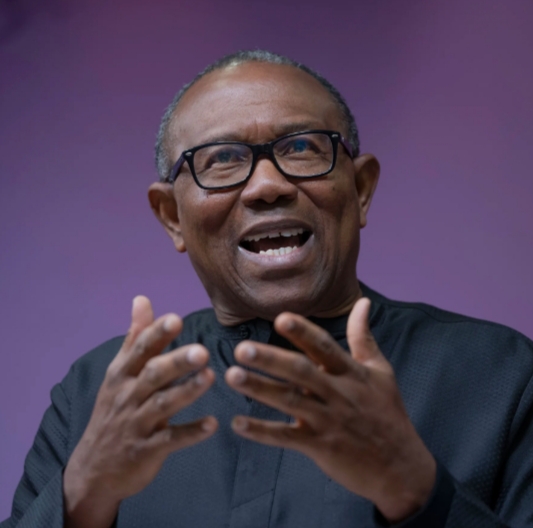
Peter Obi Alleges ₦8.83tn ‘Hidden Spending’ Under Tinubu, Cites IMF Report, Renews Resignation Call

The presidential candidate of the Nigeria Democratic Congress (NDC), Peter Obi, has accused the administration of Bola Tinubu of presiding over what he described as “grand corruption” following claims that about ₦8.83 trillion in 2025 government expenditure was not captured in the national budget.

In a statement posted on his X (formerly Twitter) account on Sunday, Obi said findings contained in the International Monetary Fund consultation report indicated that the expenditure was made outside the approved 2025 budget, raising concerns over transparency and legislative oversight.

According to Obi, the alleged off-budget spending was neither appropriated by the National Assembly nor subjected to normal administrative scrutiny.

“The recent report from the IMF consultation further raises concerns about the scale of grand corruption under the Tinubu government. The IMF now reveals that about ₦8.83 trillion in expenditure undertaken in 2025 is not reflected in the budget. This expenditure is not budgeted and is therefore not under legislative oversight or administrative scrutiny. This is horrible,” he stated.

The former Anambra State governor argued that the amount represents roughly two per cent of Nigeria’s Gross Domestic Product (GDP) and more than 35 per cent of the country’s ₦23.96 trillion capital expenditure budget for 2025.

Obi further claimed that the figure exceeds the combined budgetary allocations to the education and health sectors, stressing that such funds, if properly managed, could have significantly improved infrastructure, healthcare, education, job creation and economic growth.

He maintained that the development reflects a pattern of poor financial management by the current administration and warned that continued disregard for established public finance procedures could worsen poverty and undermine confidence in government institutions.

Describing the administration as “grossly corrupt, incompetent and insensitive,” Obi renewed his call for President Tinubu to resign, insisting that the government has failed to deliver on its campaign promises and adequately address the country’s economic and security challenges.

As of the time of filing this report, the Presidency and the Federal Government had not issued any official response to Obi’s allegations.

INEC Extends Voter Registration by Two Weeks, Introduces Online Self-Service Registration Ahead of 2027 Elections

The Independent National Electoral Commission (INEC) has extended the ongoing nationwide Continuous Voter Registration (CVR) exercise by an additional two weeks, giving more eligible Nigerians the opportunity to register ahead of the 2027 general elections.

The electoral umpire also announced the introduction of an online self-service voter registration platform, a major technological innovation aimed at making the registration process more convenient and accessible for first-time voters.

The development was disclosed in a statement issued on Friday by the National Commissioner and Chairman of the Information and Voter Education Committee, Mohammed Kudu Haruna.

According to INEC, the decision to extend the registration exercise followed a comprehensive review of the exercise and consultations with its state offices, political parties, civil society organisations, and other stakeholders.

The Continuous Voter Registration exercise, which began on August 18, 2025, was originally scheduled to end on July 10, 2026. However, the commission has now shifted the deadline to Friday, July 24, 2026, to ensure that more eligible citizens are captured in the National Register of Voters.

INEC described the extension as part of its commitment to providing every qualified Nigerian with a fair opportunity to register and participate in future elections.

In addition to the extension, the commission unveiled a new online self-service registration system that allows eligible first-time voters to initiate and complete their voter registration process—including biometric capture—using their personal devices without physically visiting an INEC office.

The commission explained that the digital platform is equipped with advanced identity verification, biometric validation, and backend security measures designed to safeguard the integrity and credibility of the National Register of Voters.

INEC added that a detailed step-by-step guide will be available on the portal to help users navigate the registration process with ease.

The electoral body encouraged all eligible Nigerians who have not yet registered to take advantage of both the extended registration period and the newly introduced online option.

According to the commission, the initiative reflects its continued commitment to building a more credible, inclusive, and technology-driven electoral process while improving citizens’ access to voter registration services ahead of the 2027 polls.

With the extension now in place, prospective voters have a final opportunity to secure their voter registration before preparations for the next general election enter a more advanced stage.