Category Archives: WORLD NEWS

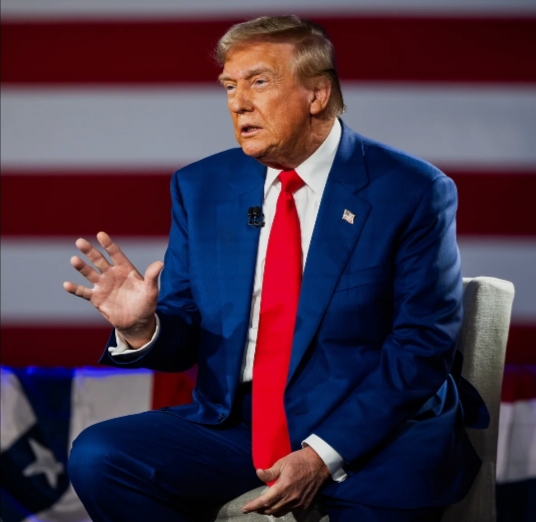
Trump’s IRS Case Backfires as Judge Condemns Lawsuit and Orders Disciplinary Action

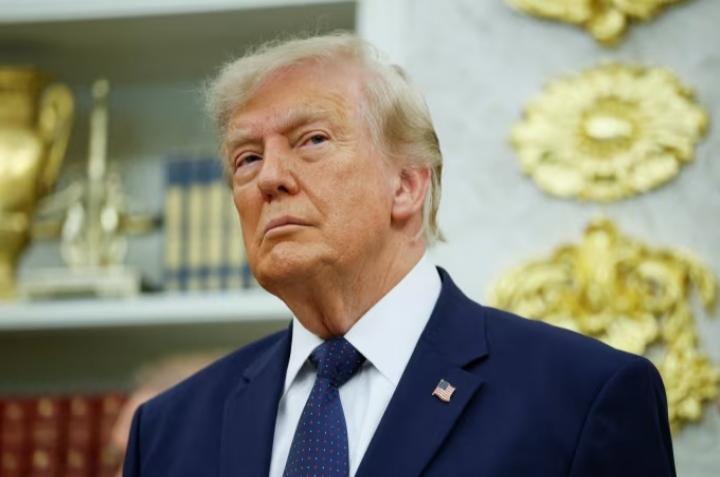
A U.S. federal judge has sharply criticized President Donald Trump and the attorneys who represented him in a controversial lawsuit against the Internal Revenue Service (IRS), describing the case as an attempt to manipulate the judicial system for political and personal advantage.

In a strongly worded 56-page ruling issued on Monday, U.S. District Judge Kathleen Williams concluded that the lawsuit was filed in bad faith and was designed to provide legal legitimacy to actions that extended far beyond the boundaries of the law.

According to the court, the case sought to support the creation of a proposed $1.8 billion “anti-weaponization” fund, intended to compensate individuals and organizations aligned with President Trump. The lawsuit was also cited as justification for a Trump administration directive that would have granted the President and his businesses immunity from potential past tax-related liabilities.

Judge Williams ruled that the conduct of both Trump’s legal team and the U.S. Department of Justice (DOJ) during the litigation was deeply troubling.

“The nature of the suit itself and the conduct of the parties and counsel from its filing make plain that this was an attempt to use the Court to provide some legitimacy to an agreement to confer immunity to people and entities affiliated with the President and to earmark billions of dollars from American taxpayers to redress grievances not defined in the law,” the judge wrote.

The judge further criticized the Justice Department, stating that government lawyers abandoned their responsibility to defend the interests of the United States by agreeing to a settlement that departed from established DOJ policies and pursued objectives that were neither legally authorized nor permissible.

As part of the ruling, Judge Williams ordered sanctions against the attorneys involved in the case. She also directed that her opinion be forwarded to attorney disciplinary authorities in New York and Washington, D.C., where professional ethics complaints involving Acting Attorney General Todd Blanche and Associate Attorney General Stanley Woodward are already under review.

Additionally, one private attorney who represented Trump has been referred to the Florida Bar for possible disciplinary proceedings, while another has been barred from appearing before the U.S. District Court for the Southern District of Florida for one year.

The ruling also suggests that retired judges who challenged the legality of the proposed settlement may be entitled to recover their legal costs.

Responding to the decision, a spokesperson for Trump’s legal team defended the lawsuit, arguing that the IRS had improperly allowed a politically motivated employee to leak confidential tax information concerning Trump, his family, and the Trump Organization to media organizations, including The New York Times and ProPublica. The spokesperson maintained that President Trump remains committed to holding accountable those responsible for what his team describes as unlawful disclosures.

The U.S. Department of Justice had not publicly commented on the ruling at the time of publication.

The decision marks another significant legal setback for President Trump and underscores the judiciary’s willingness to scrutinize legal actions viewed as exceeding constitutional and statutory limits.
Oxford Scientists Launch Human Trials of New Ebola Vaccine Amid Escalating Congo Outbreak

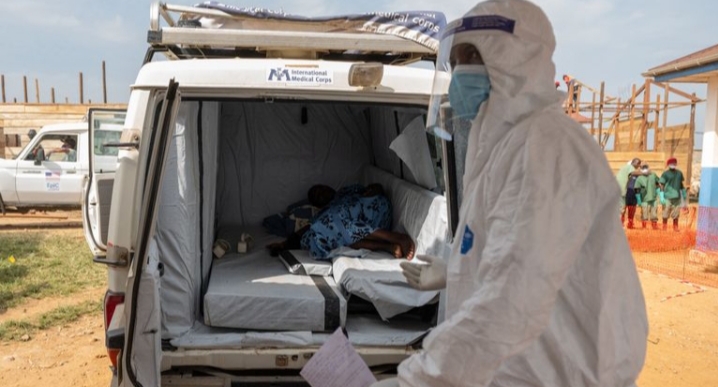
Scientists at the University of Oxford are preparing to begin human trials of a promising new vaccine designed to protect against the Bundibugyo strain of Ebola, as health authorities race to contain a deadly outbreak in the Democratic Republic of Congo (DRC).

The clinical trial, expected to commence in the coming weeks pending regulatory approval, will assess the vaccine’s safety and ability to trigger an immune response in 50 healthy volunteers aged between 18 and 55 years in the United Kingdom.

The vaccine, known as ChAdOx1 BDBV, was developed in record time following the World Health Organization’s (WHO) declaration of the Bundibugyo Ebola outbreak as a Public Health Emergency of International Concern on May 17. Remarkably, the candidate vaccine reached the trial stage in just 57 days, highlighting the speed of modern vaccine research and global scientific collaboration.

Researchers revealed that 620,000 doses of the vaccine have already been manufactured and stockpiled for potential emergency use, while 4,000 investigational doses have been allocated specifically for the Oxford clinical trial.
One major advantage of the vaccine is that it uses the same ChAdOx viral vector technology employed in the widely used Oxford/AstraZeneca COVID-19 vaccine, enabling scientists to accelerate its development and production.

Professor Teresa Lambe, the study’s lead scientific investigator, said the worsening Ebola outbreak underscores the urgent need for effective vaccines.
“The ongoing Bundibugyo ebolavirus outbreak continues to devastate affected communities, underlining the urgent need for effective vaccines and treatments,” she said.

She added that the rapid development of the vaccine demonstrates the value of strong international scientific partnerships in responding swiftly to emerging health emergencies.

The outbreak continues to worsen. According to the latest figures released on Monday, the DRC has recorded 1,926 confirmed Ebola cases, including 702 deaths, making the search for an effective vaccine increasingly urgent.

Health experts believe that if the vaccine proves safe and effective during the trial, it could become an important tool in controlling future outbreaks of the Bundibugyo strain, one of the less common but highly dangerous forms of the Ebola virus.

The Oxford trial represents another significant step in global efforts to strengthen preparedness against emerging infectious diseases and prevent future public health crises.

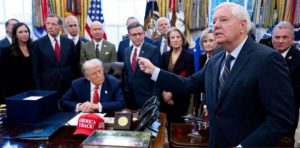
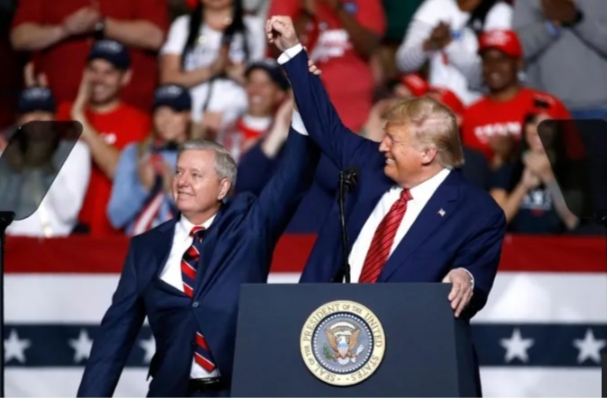
Lindsey Graham: The Republican Senator Who Rode the Winds of Political Change Dies, Leaving Behind a Complex Legacy

The death of longtime Republican Senator Lindsey Graham has triggered reflections on a political career that mirrored the dramatic transformation of the Republican Party and American politics during the era of Donald Trump.

For more than two decades in the United States Senate, Graham built a reputation as a conservative voice on national security, foreign policy, and America’s role in global affairs. But beyond his policy positions, his career became a remarkable study of political adaptation — moving from one of Donald Trump’s fiercest critics to one of the former president’s most dependable allies.

Graham, who represented South Carolina in the Senate for 23 years, was once closely associated with the late Senator John McCain, a Republican known for his independence and willingness to challenge his own party. Their partnership reflected Graham’s earlier political identity as a conservative who valued bipartisan cooperation.

When Graham launched his own presidential campaign in 2015, he campaigned on reducing partisan hostility in Washington, famously suggesting that leadership required lawmakers to sit together, debate issues, and find common ground.

However, the rise of Donald Trump dramatically changed the political environment Graham operated in.

During the 2016 Republican primary, Graham became one of Trump’s most outspoken critics. He condemned Trump’s comments about McCain’s military service, calling him unfit for the presidency. Their feud escalated after Trump publicly revealed Graham’s phone number during a rally, leading to a flood of hostile messages directed at the senator.

At the height of his opposition, Graham warned that if Republicans nominated Trump, the party would suffer political damage and “deserve it.”

Even after Trump won the 2016 presidential election, Graham initially remained cautious. But as Trump reshaped the Republican Party, Graham’s position changed significantly.

He became one of Trump’s closest allies in Congress, frequently defending the president’s policies, appearing regularly on television, and supporting key decisions by the administration.

One of the defining moments of Graham’s influence came during the confirmation battle of Supreme Court Justice Brett Kavanaugh. Graham strongly defended Kavanaugh against allegations of sexual misconduct, which Kavanaugh denied, helping secure his confirmation in a closely divided Senate vote.

However, Graham’s relationship with Trump briefly fractured after the 2020 presidential election, when Trump refused to accept defeat by Joe Biden.

Following the January 6, 2021 attack on the US Capitol by Trump supporters, Graham publicly declared that he was distancing himself from Trump, saying their political journey had reached a painful conclusion.

But that separation did not last.

Graham later supported Trump during his return to national political dominance and defended his presidency, arguing that he judged Trump based on his record in office. By the 2024 election cycle, Graham was once again firmly aligned with Trump’s political movement.

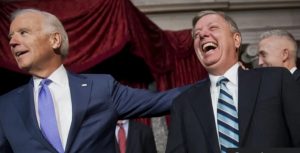
Despite his close relationship with Trump, Graham maintained friendships across party lines. Several Democratic lawmakers who disagreed with his politics still acknowledged his ability to build personal relationships and negotiate across the aisle.

Trump himself highlighted this quality, noting that Graham could communicate with Democrats and help resolve disagreements.

The Battle to Replace a Senate Veteran

Graham’s passing has created uncertainty for Republicans in Washington and South Carolina. The senator was preparing for another term and had already secured his party’s nomination without opposition.

South Carolina Governor Henry McMaster is expected to appoint an interim replacement, while Republicans will organize a fresh primary election to determine the party’s candidate for the November general election.

Although South Carolina remains a strongly Republican state, the open Senate seat could become a significant political contest if national political conditions shift.

Whoever succeeds Graham will inherit a position once occupied by a senator with decades of experience, deep relationships across party lines, and considerable influence in Washington.

Lindsey Graham’s legacy will likely remain one of the most debated political stories of his generation — a career defined by conservative principles, changing alliances, and the extraordinary political transformation brought about by the Trump era.

Trump Blocks Landmark Housing Bill, Linking Home Affordability Crisis to Fight Over Voter ID Law

US President refuses to sign bipartisan housing legislation, accusing Senate of failing to advance election security measure as millions struggle with rising housing costs

A political standoff has erupted in Washington after President Donald Trump announced that he would not sign a major bipartisan housing bill into law, using his veto threat to pressure lawmakers over the Senate’s failure to pass voter identification legislation.

The 21st Century Road to Housing Act, approved by Congress in June in a rare display of bipartisan cooperation, was designed to tackle America’s growing housing affordability crisis by expanding housing supply, reducing costs and creating new protections for renters and prospective homeowners.

However, Trump has made the legislation a bargaining tool in his push for the passage of the SAVE America Act, a voter ID proposal he has strongly supported ahead of the November midterm elections.

In a lengthy post on his Truth Social platform, Trump said he would reject the housing legislation unless the Senate acted on the voter ID measure.

“I will not sign the Housing Bill… in protest over the fact that the United States Senate is not capable of passing the Save America Act,” Trump wrote.

Housing Relief Caught in Political Battle

The president’s decision has placed a major housing reform package at the centre of a broader political dispute over election laws.

The housing bill, which received support from lawmakers across party lines, represents one of Congress’s most significant attempts in decades to address America’s housing shortage and affordability challenges.

The legislation contains more than 40 provisions aimed at increasing housing availability, including measures to simplify the construction of new homes and restrictions on large institutional investors purchasing single-family properties.

The bill was expected to become law automatically if Trump neither signed nor vetoed it within the constitutional timeframe. However, his public declaration has turned the issue into a high-stakes political confrontation.

America’s Housing Crisis Deepens

The dispute comes at a time when millions of Americans are facing growing difficulties in securing affordable homes.

Housing prices have reached record levels, with the median price of existing homes climbing to about $440,660 in June, according to data from the National Association of Realtors.

Real estate analysts have warned that rising interest rates, inflation and limited housing supply have pushed homeownership beyond the reach of many families.

According to housing data firm Redfin, an American household now needs an annual income of approximately $117,000 to afford an average-priced home — nearly $30,000 higher than what many households earn.

Republicans Defend Position, Democrats Condemn Move

Republicans have argued that stronger voter identification requirements are necessary to protect election integrity, while Democrats have criticised such proposals, saying they could create unnecessary barriers for eligible voters.

Democrats reacted sharply to Trump’s decision to hold up the housing bill.

House Minority Leader Hakeem Jeffries accused Republicans of prioritising voting restrictions over addressing the cost-of-living pressures facing ordinary Americans.

“Republicans would rather make it harder to vote than easier to afford a home,” Jeffries said in a statement.

A Battle Beyond Housing

The controversy highlights the increasingly connected nature of policy debates in Washington, where major economic issues are becoming tied to wider political battles.

For millions of Americans struggling with rent increases, mortgage costs and housing shortages, the fate of the bill represents more than a legislative dispute — it reflects the growing challenge of balancing political priorities with urgent economic needs.

Ukraine Introduces Largest-Ever Banknote as War, Inflation and Cash Demand Reshape Economy

New 2,000-hryvnia note featuring Soviet-era dissident Vasyl Stus to enter circulation as Kyiv strengthens financial resilience amid prolonged conflict

Ukraine’s central bank has announced the introduction of a new 2,000-hryvnia banknote, the largest denomination in the country’s history, as the impact of the ongoing war, rising prices and changing payment patterns continue to reshape the nation’s economy.

The blue-coloured banknote, valued at about $45, will officially enter circulation on September 4, according to Central Bank Governor Andriy Pyshnyi, who unveiled the design at the institution’s heavily secured operational facility within Ukraine’s government district.

The new note carries the portrait of renowned Ukrainian poet, writer and Soviet-era dissident Vasyl Stus, whose life became a symbol of resistance, cultural identity and the struggle for human rights. Stus spent years in Soviet detention because of his activism and defence of Ukrainian national culture.

Presenting the new currency, Pyshnyi said the decision reflects the changing realities of Ukraine’s economy, where inflation, increased cash circulation and wartime disruptions have altered how citizens and businesses conduct financial transactions.

“The economy changes. Income levels, prices, the volume of cash in circulation, and people’s payment behaviour all evolve,” Pyshnyi said.

Cash Remains Critical Despite Digital Payments Growth

Although most commercial transactions in Ukraine are now conducted electronically, the central bank noted that the realities of war have increased the importance of physical cash, especially in frontline communities where damaged infrastructure, unstable communication networks and security challenges can disrupt digital payment systems.

Pyshnyi stressed that a resilient financial system must combine modern digital infrastructure with reliable access to cash.

“Resilience means not only a functioning cashless infrastructure, but also people’s access to cash,” he said.

The move comes as Ukraine’s cash circulation has expanded significantly. Data from the central bank showed that the amount of cash in circulation reached 970 billion hryvnias in early July 2026, compared with about 390 billion hryvnias in 2019 when the 1,000-hryvnia note was introduced.

The 1,000-hryvnia denomination currently represents more than 55 per cent of the total value of banknotes in circulation, a development the central bank said demonstrated the need for a higher-value note.

Currency Adjustment Amid Wartime Economic Pressure

Ukraine’s economy has faced severe pressure since Russia’s invasion, with millions of citizens displaced, major cities and infrastructure damaged, and trade networks, exports and logistics heavily affected.

The central bank said the new denomination would help reduce the cost of transporting and managing cash while improving efficiency in the movement of currency across the country.

However, Pyshnyi reaffirmed that introducing a higher-value banknote does not signal a relaxation of monetary discipline, stressing that the central bank remains committed to controlling inflation and maintaining economic stability.

A Symbol of National Identity

Beyond its economic purpose, the new banknote also carries a strong national message. Parliamentary Speaker Ruslan Stefanchuk described the choice of Vasyl Stus as significant at a time when Ukraine continues to defend its sovereignty and cultural identity.

“This banknote is timely today as it is now when Ukraine is defending its identity,” Stefanchuk said.

The introduction of the 2,000-hryvnia note highlights how wartime economies adapt—not only through military and diplomatic strategies but also through adjustments to everyday financial systems designed to keep societies functioning during prolonged crises.

Ceasefire Under Threat as U.S. Strikes Iran Over Alleged Strait of Hormuz Shipping Attacks

The fragile ceasefire in the Middle East has come under renewed strain after the United States launched a series of military airstrikes against Iran, accusing Tehran of carrying out attacks on commercial vessels navigating the strategically vital Strait of Hormuz.

In a statement issued on Tuesday, the U.S. Central Command (CENTCOM) said the strikes were intended to impose “heavy costs” on Iran for what it described as unprovoked attacks on innocent civilian crews aboard commercial ships operating in international waters.

According to CENTCOM, the military operation was triggered by attacks on three commercial vessels transiting the Strait of Hormuz, one of the world’s most critical maritime trade routes through which a significant portion of global oil exports passes.

“The U.S. Central Command forces have begun launching a series of powerful strikes against Iran to impose heavy costs for targeting and attacking commercial shipping crewed by innocent civilians in an international waterway,” the statement said.

The command further accused Iran of violating the existing ceasefire, describing the alleged attacks as dangerous, unjustified, and a direct threat to international maritime security.

Explosions Reported in Southern Iran

Iranian state television confirmed that multiple explosions were heard in Sirik, a southern Iranian port city near the Strait of Hormuz, as the U.S. operation unfolded. However, Iranian authorities have yet to provide details regarding the extent of the damage or any casualties resulting from the strikes.

Iran Rejects Allegations

Tehran has firmly denied responsibility for the reported attacks on commercial shipping.

Iran’s Foreign Ministry dismissed allegations made by Qatar that Iranian forces had attacked one of its vessels in the Strait of Hormuz, describing the claims as “questionable,” “unacceptable,” and inconsistent with the principles of good neighbourliness.

Foreign Ministry spokesperson Esmail Baghaei reiterated that Iran remains committed to safeguarding maritime security and ensuring the uninterrupted flow of shipping through the Strait of Hormuz.

Baghaei also urged regional governments and international shipping companies to avoid actions capable of undermining the ceasefire agreement. He warned that vessels deviating from approved navigation routes or disabling their tracking systems could create security risks and threaten safe navigation within the waterway.

Global Implications

The Strait of Hormuz remains one of the world’s most strategically important maritime corridors, handling a substantial share of global oil and liquefied natural gas exports. Any military escalation in the area carries significant implications for international trade, energy markets, and regional stability.

The latest exchange between Washington and Tehran raises fresh concerns over the durability of the ceasefire and the possibility of a wider military confrontation in the Gulf. As both sides continue to exchange accusations, the international community is expected to closely monitor developments in an effort to prevent further escalation.

Nigel Farage Takes Political Gamble: Resigns Parliamentary Seat to Seek Fresh Mandate, a Sharp Contrast to Nigeria’s Political Culture

In a dramatic political move, Reform UK leader Nigel Farage has announced that he will resign his seat in the British Parliament to trigger a by-election, saying he wants the people who elected him to decide whether he should continue to represent them.

Farage made the announcement during a televised address on Tuesday, where he accused Britain’s political establishment of attempting to frustrate his party and criticised what he described as persistent media intrusion into his family life.

Declaring the forthcoming contest a referendum on his leadership, Farage said the by-election would pit ordinary citizens against the political establishment.

«”This will be a people versus the establishment by-election. I will fight to win. I will fight to continue the political revolution that Reform has started,” he said.»

The announcement comes amid heightened public scrutiny over Farage’s financial affairs. Although he did not dwell on the allegations, he said the most appropriate response was to allow his constituents—not political opponents or the media—to determine whether they still wanted him as their representative.

Political analysts believe the by-election will serve as a major test of both Farage’s personal popularity and Reform UK’s growing influence in British politics. A victory would strengthen his political standing, while a defeat could significantly weaken the party’s momentum.

A Lesson in Political Accountability

Whether one supports Nigel Farage’s politics or not, his decision has sparked debate about political accountability.

Rather than waiting for the next general election, Farage has voluntarily chosen to return to the electorate for a fresh mandate, effectively placing his political future in the hands of the people who elected him.

How Nigeria Differs

The situation presents a striking contrast to the prevailing political culture in Nigeria.

In Nigeria, lawmakers and other elected officials facing public criticism, allegations of misconduct or controversies rarely resign their positions to seek renewed legitimacy from voters. Most remain in office while investigations, court proceedings or political debates continue, often relying on party structures, legal processes and the next scheduled general election.

Although Nigeria’s Constitution provides a mechanism for recalling members of the National Assembly, the process is highly demanding and has never successfully removed a federal legislator since the country’s return to democratic rule in 1999.

Consequently, resignation to seek a fresh mandate is uncommon in Nigeria. Public office holders generally leave office only when compelled by constitutional provisions, court judgments, impeachment, party decisions or the expiration of their tenure.

Two Political Approaches

Farage’s decision reflects a political philosophy that prioritises immediate electoral validation during periods of controversy.

By contrast, Nigerian politics largely follows a model in which elected representatives complete their terms unless legally removed or otherwise compelled to vacate office.

Neither approach is mandated in every circumstance, but the difference highlights contrasting traditions of political accountability and public engagement.

As Britain prepares for what promises to be one of its most closely watched by-elections, Farage has turned the spotlight away from media scrutiny and back onto the electorate.

The outcome will determine not only his political future but may also shape the trajectory of Reform UK. At the same time, the development offers an opportunity for democracies around the world—including Nigeria—to reflect on how elected leaders respond when public confidence is put to the test.

China Tests Long-Range Ballistic Missile Over Pacific in Rare Submarine Launch, Stirring Regional Security Concerns

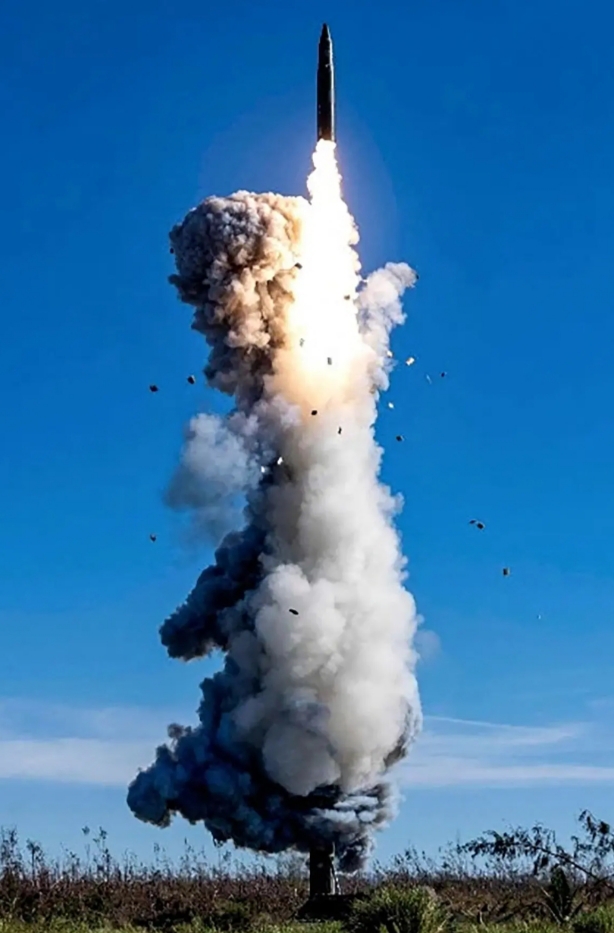
China has conducted a rare long-range ballistic missile test over the Pacific Ocean, firing a submarine-launched missile with a dummy warhead in an exercise that marks the country’s first publicly acknowledged launch of its kind in two years.

According to China’s official news agency Xinhua, the missile was launched on Monday at 12:01 p.m. Beijing time from a Chinese nuclear-powered submarine. The missile reportedly carried a “mock warhead” and successfully landed in a designated area in the Pacific Ocean.

Authorities stated that the test was not directed at any specific country or target, though details about the exact landing location were not disclosed. Governments in the region were reportedly given prior notice shortly before the launch.

The development comes amid heightened strategic activity in the Pacific, coinciding with Australia and Fiji announcing a new mutual defence treaty and broader regional security cooperation agreements. These moves are widely interpreted as part of ongoing efforts by Pacific nations to strengthen security partnerships in response to growing geopolitical competition in the region.

The latest test has drawn attention due to its rarity. The last publicly acknowledged Chinese intercontinental ballistic missile test over the Pacific occurred in September 2024, when a missile carrying a dummy warhead landed near waters close to French Polynesia. That earlier test was the first of its kind in over four decades and had already sparked concern among regional governments.

Security analysts note that submarine-launched ballistic missile tests are closely watched globally due to their strategic implications and the role such systems play in nuclear deterrence capabilities. While Beijing maintains that the exercise was routine and non-threatening, the timing and visibility of the launch are likely to add to ongoing discussions about military balance and stability in the Indo-Pacific region.

As regional powers continue to deepen defence cooperation, the latest missile test underscores the growing complexity of security dynamics in the Pacific, where military signalling and diplomatic alliances are increasingly intertwined.

DR Congo’s Ebola Response Offers Critical Lessons for Nigeria and the Rest of Africa

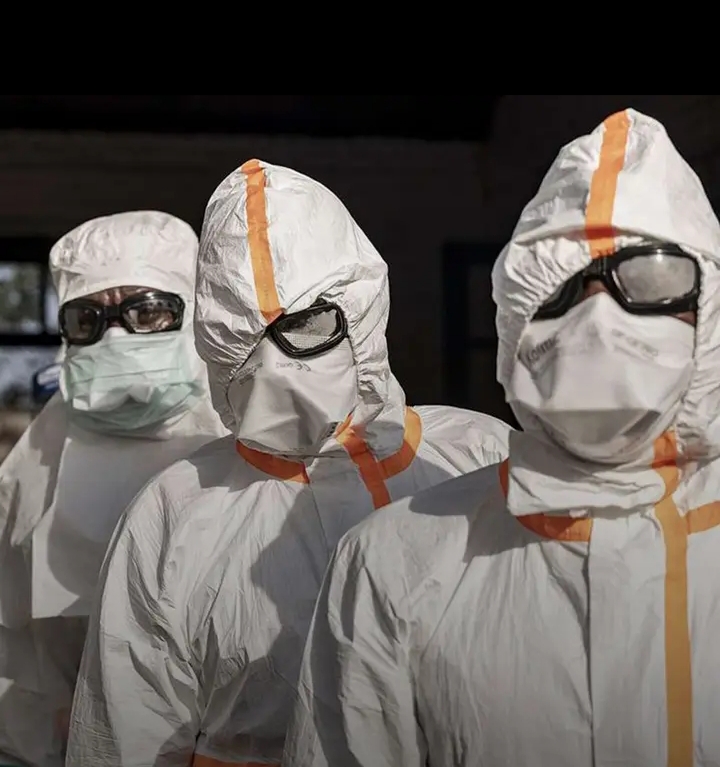
As the Democratic Republic of Congo (DRC) confronts another Ebola outbreak, health experts and humanitarian organizations are urging authorities to prioritize community trust, food support and stronger healthcare systems over heavy-handed security measures.

According to Human Rights Watch (HRW), experience from previous Ebola outbreaks has shown that social support interventions—including food assistance and home-based care—are often more effective in encouraging people to comply with quarantine measures than coercive enforcement.

The warning comes amid a worsening humanitarian crisis in eastern DRC. In November 2025, emergency levels of acute malnutrition were reported in parts of Ituri and North Kivu provinces, with nearly 25 million people affected by food insecurity.

HRW stressed that families are more likely to observe voluntary isolation when their basic needs are met.

“People are more likely to comply with voluntary quarantine if they have adequate food,” the organization said. “When treatment centres cannot provide basic sustenance, family members risk exposure by bringing food themselves.”

The rights group also warned against excessive reliance on security forces during disease outbreaks. HRW’s Crisis and Conflict Director, Ida Sawyer, recalled that the country’s largest Ebola epidemic between 2018 and 2020 was likely prolonged because military involvement undermined public confidence and discouraged cooperation with health workers.

She urged the Congolese government and international partners to rebuild trust by engaging local communities and limiting the role of security personnel in public health operations.

“The government and its partners need to overcome years of conflict, abuse and neglect that have weakened healthcare systems and eroded public trust,” Sawyer said.

What Nigeria Can Learn

Although Nigeria is not currently facing a major Ebola outbreak, the DRC’s experience offers important lessons for Africa’s most populous nation.

Nigeria demonstrated global leadership during its 2014 Ebola outbreak by rapidly identifying cases, tracing contacts and isolating infected individuals, successfully preventing widespread transmission. The country’s swift response earned international recognition as one of the most effective Ebola containment efforts in modern public health history.

However, experts caution that Nigeria remains vulnerable to future outbreaks due to its large population, busy international borders and frequent movement of people across West Africa.

l

Public health specialists say preparedness should extend beyond surveillance and emergency response to include investments in healthcare infrastructure, community engagement and social protection for vulnerable households.

They also emphasize that misinformation and distrust can spread as quickly as infectious diseases. Transparent communication, timely public education and collaboration with community and religious leaders are essential to ensuring that citizens cooperate with health authorities during emergencies.

As outbreaks continue to emerge across Africa, the DRC’s experience reinforces a vital lesson: successful disease control depends not only on medical interventions but also on public trust, food security and resilient healthcare systems.

For Nigeria, maintaining strong surveillance, improving emergency preparedness and investing in people-centred health responses will be crucial to preventing future Ebola outbreaks from becoming national crises.

Russia Deploys Kamikaze FPV Drones in Mali Following Major Battlefield Losses

Russian-backed forces fighting alongside Mali’s military junta have reportedly begun deploying kamikaze-style first-person-view (FPV) drones against rebel positions in northern Mali, marking a significant shift in their battlefield strategy.

The move comes after a string of military setbacks suffered by the Russian-controlled Africa Corps and Malian government forces in clashes with the Tuareg-led Azawad Liberation Front (FLA) and the jihadist group Jama’at Nusrat al-Islam wal-Muslimin (JNIM).

One of the most significant defeats occurred in April when government forces lost control of Kidal, a strategic northern city they had held for more than two years. Rebel drone attacks on military positions in Anéfis and Aguelhok reportedly forced both Malian troops and Russian fighters to abandon their bases before the city fell.

FPV drones have emerged as one of the most effective low-cost weapons in modern conflicts. Operated through wireless headsets that provide pilots with a live view from the drone’s camera, the systems allow operators to identify and strike targets with remarkable speed and precision.

When fitted with explosive payloads, these commercially available drones become highly destructive weapons capable of targeting troops, vehicles, and military equipment at a fraction of the cost of conventional weapons.

Ironically, the same technology has been used extensively by the FLA against Russian and Malian forces. Rebel fighters have repeatedly deployed FPV drones to harass retreating troops, and in 2025 reportedly used one to bring down a government helicopter.

The rebels have also adopted fiber-optic-controlled FPV drones, a technology first seen on the battlefields of Ukraine. Unlike conventional drones that rely on radio signals, fiber-optic drones are resistant to electronic jamming, making them even more difficult to counter.

Beyond their battlefield effectiveness, FPV drones have become powerful propaganda tools. Videos recorded during attacks are frequently shared online by insurgent groups to demonstrate military successes, undermine government forces, and attract new recruits.

Russia has previously relied on larger unmanned systems, including the Garpiya-A1 drone, to strike insurgent positions. Analysts believe the adoption of FPV drones reflects growing pressure on the Africa Corps to improve its battlefield performance as insecurity continues to worsen across Mali.

Russian military involvement in Mali began in 2021 through the Wagner Group before transitioning to the state-controlled Africa Corps in 2025. Since then, the force has faced widespread criticism over allegations of human rights abuses, including the 2023 Moura massacre, during which hundreds of civilians were reportedly killed during operations targeting suspected insurgents.

Security analysts argue that such operations have failed to weaken insurgent movements and may instead have strengthened them by driving more recruits into their ranks.

Despite reports that Mali’s military government pays the Africa Corps an estimated $10 million each month, the country’s security crisis continues to deteriorate, with insurgent groups expanding their influence across large parts of the north.

Experts also suggest Russia’s difficulties in Mali could prompt other African governments to reassess Moscow as a long-term security partner, particularly as armed groups continue to gain ground despite years of military operations.