Category Archives: ECONOMY

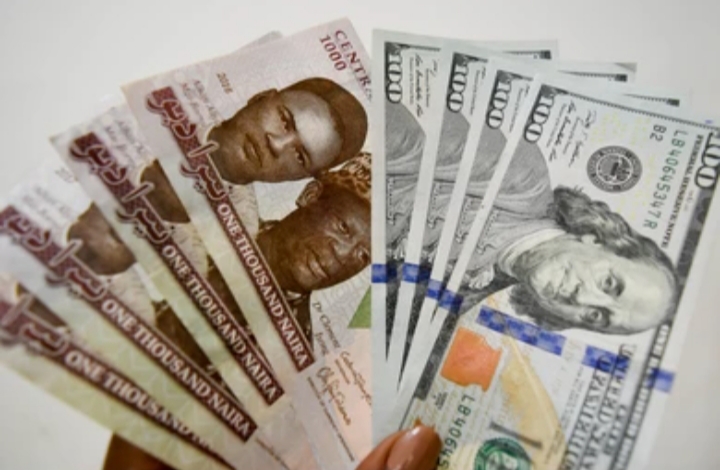
Naira Slips Again as Dollar Hits N1,365 at Official Market, N1,430 on Parallel Market

The Nigerian naira recorded another slight decline against the United States dollar at the official foreign exchange market on Thursday, August 6, 2026, while the currency also weakened further at the parallel market.

Data published by the Central Bank of Nigeria (CBN) showed that the naira traded at an indicative Nigerian Foreign Exchange Market (NFEM) rate of N1,364.8846 per dollar before closing at N1,365.1000/$.

This represents a depreciation of about N1.25 per dollar from the previous day’s closing level of N1,363.8491.

The latest movement indicates that the naira remains under pressure despite the relatively modest day-to-day change at the official market.

The naira recorded a more noticeable movement at the parallel market, with the buying rate remaining unchanged while the selling rate increased by N5 compared with the previous trading session.

According to Aboki FX, the dollar was bought at N1,420 and sold at N1,430 on Thursday.

The widening gap between the official and parallel-market rates remains an important indicator of demand and supply conditions in Nigeria’s foreign exchange market.

At the reported rates, there was a difference of about N65 per dollar between the official closing rate of N1,365.10 and the parallel-market selling rate of N1,430.

Although the official-market decline was relatively small, the continued weakness of the naira highlights the persistent pressure in the foreign exchange market.

For businesses and consumers who rely on imported goods, foreign currency movements can influence the cost of imports, raw materials, transportation and other dollar-linked expenses.

The parallel-market movement is also significant because sustained differences between official and street rates can affect market expectations and the cost at which some businesses source foreign currency.

The naira’s performance in the coming trading sessions will therefore remain closely watched as market participants assess dollar supply, demand and broader foreign-exchange conditions.

Note: The CBN figures referenced above are official market data, while the parallel-market rates are based on rates reported by Aboki FX and may vary by location and dealer.
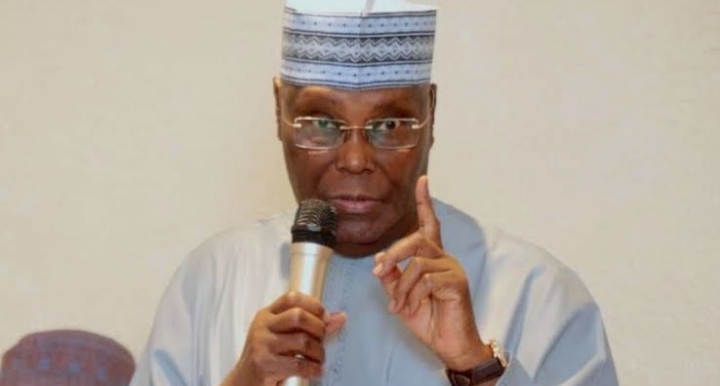
“Mortgaged Future: Atiku Demands Full Disclosure of Tinubu’s Secret Crude Oil Deals”

In a fiery exchange that has reignited debates over Nigeria’s economic transparency, former Vice President Atiku Abubakar has thrown down the gauntlet, demanding that President Bola Tinubu’s administration fully disclose the terms of crude oil-backed financing deals that he claims are mortgaging the nation’s future earnings.

The controversy began when the Presidency attempted to defend its economic record—but according to Atiku’s camp, that defense only confirmed their worst fears.

Phrank Shaibu, Atiku’s Senior Special Assistant on Public Communication, released a statement Monday arguing that the Presidency’s response inadvertently validated their concerns rather than dispelling them.

“In attempting to rebut our position, the Presidency inadvertently strengthened it,” Shaibu stated. “It admitted that despite higher international crude oil prices, Nigerians cannot fully benefit because substantial volumes of the nation’s crude have already been committed under crude-backed financing arrangements.”

Atiku, who also serves as the presidential candidate of the African Democratic Congress (ADC), didn’t mince words. He framed the admission as an “indictment rather than a defence,” arguing that if Nigeria’s future oil earnings are already encumbered, the administration has simply replaced one fiscal burden with another.

The former Vice President has posed pointed questions that he insists demand public answers:

· Who authorized these transactions?
· How many barrels of crude have been pledged?
· What are the repayment terms?
· How much revenue has been received so far?
· Which specific projects did the funds finance?
· Who are the counterparties to these deals?

“These are not political questions; they are constitutional questions about transparency and accountability,” Atiku declared.

Perhaps most damning is the link Atiku draws between these undisclosed oil deals and the administration’s removal of fuel subsidies. He argues that the Presidency cannot simultaneously celebrate eliminating subsidies while explaining away missing oil revenues by pointing to obligations created by that very subsidy financing.

“That contradiction speaks louder than any press statement,” he said.

Atiku’s message is clear: transparency, not propaganda, remains the true test of fiscal responsibility. A government unwilling to disclose the terms of its crude-backed borrowing, he argues, has no moral authority to lecture Nigerians on prudence.

As Nigerians grapple with rising costs and economic uncertainty, these questions about who is benefiting from the nation’s oil wealth—and at what cost—are unlikely to fade from public discourse.

The ball is now in the Presidency’s court. Will they answer the questions, or will they continue to leave Nigerians in the dark about the deals being made with their future?