
DEVELOPMENT
Tinubu Approves Major Nigerian Army Expansion: 28,000 New Recruits, Four New Divisions to Boost National Securit

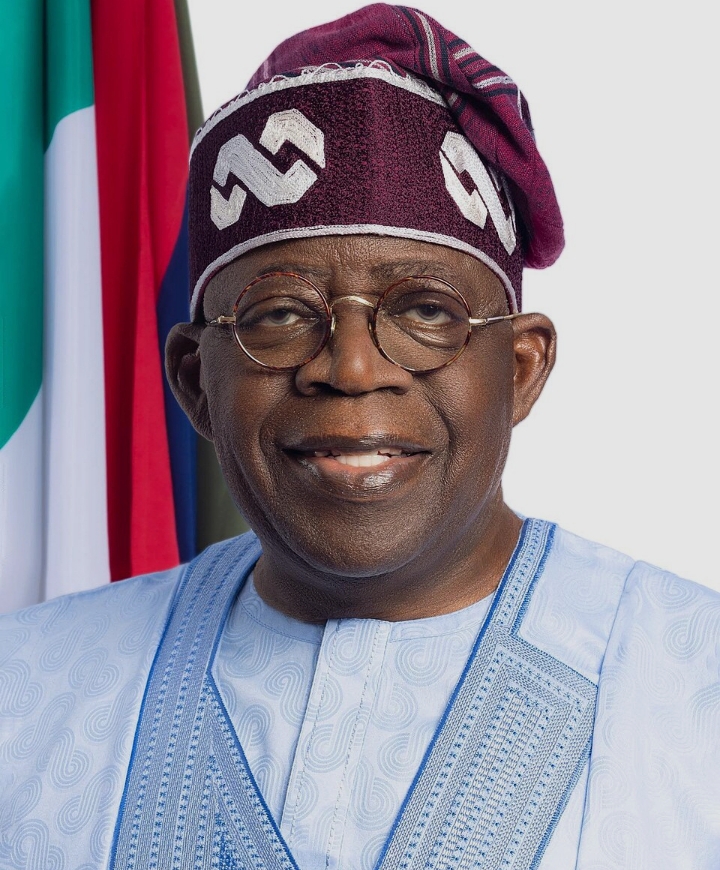
In one of the most significant military reforms in recent years, President Bola Ahmed Tinubu has approved a major expansion of the Nigerian Army, increasing its operational structure from eight to twelve divisions while authorising the recruitment of 28,000 additional personnel to strengthen national security.
The sweeping reform is aimed at improving the military’s operational efficiency, enhancing border protection, decentralising command, and ensuring faster responses to emerging security threats across Nigeria.
The announcement was made in a statement issued by the Special Adviser to the President on Information and Strategy, Bayo Onanuga, who described the move as a strategic step towards modernising Nigeria’s defence architecture.
As part of the restructuring, the Federal Government has approved the establishment of four new divisional headquarters in:
- Makurdi (Benue State)
- Ilorin (Kwara State)
- Jalingo (Taraba State)
- Benin City (Edo State)
The additional divisions are expected to decentralise military operations, allowing commanders to make quicker operational decisions while improving coordination in the fight against insurgency, banditry, kidnapping, terrorism, and other security challenges.
Under the new arrangement, the Nigerian Army will be organised as follows:
- 1 Division – Kaduna: Kaduna, Kano, Katsina and Jigawa States.
- 2 Division – Ibadan: Oyo, Osun, Ekiti and Ondo States.
- 3 Division – Jos: Plateau, Bauchi and Gombe States.
- 5 Division – Makurdi: Benue, Nasarawa and Kogi States.
- 6 Division – Port Harcourt: Rivers, Akwa Ibom and Cross River States.
- 7 Division – Maiduguri: Borno and Yobe States.
- 8 Division – Sokoto: Sokoto, Kebbi and Zamfara States.
- 9 Division – Ilorin: Kwara and Niger States.
- 10 Division – Jalingo: Taraba and Adamawa States.
- 81 Division – Lagos: Lagos and Ogun States.
- 82 Division – Enugu: Enugu, Anambra, Abia, Ebonyi and Imo States.
- 83 Division – Benin City: Edo, Delta and Bayelsa States.
The reorganisation is expected to improve military coverage across the country’s six geopolitical zones while ensuring every operational area receives more focused attention.
To support the expanded structure, President Tinubu has approved the recruitment of 28,000 new military personnel.
The large-scale recruitment exercise forms part of a broader investment in Nigeria’s armed forces, which also includes the acquisition of modern military equipment, improved troop welfare, enhanced operational readiness, and continuous force modernisation.
The Federal Government believes the additional manpower will strengthen ongoing operations against terrorism, insurgency, banditry, oil theft, kidnapping, and other criminal activities threatening national security.
According to the Presidency, the implementation will take place in two phases.
The first phase, expected to be completed by September 2026, will establish the 5th, 9th and 10th Divisions while reorganising existing formations.
The second phase, scheduled for completion by December 2026, will see the creation of the 83rd Division in Benin City alongside further restructuring of military formations nationwide.
President Tinubu commended the Chief of Army Staff, Lieutenant General Waidi Ibrahim Shuaibu, as well as officers and soldiers of the Nigerian Army, for their professionalism and dedication in defending the nation.
He reiterated his administration’s commitment to ensuring that Nigeria’s Armed Forces remain well-equipped, adequately funded, highly motivated, and fully prepared to tackle evolving security threats across the country.
The expansion represents one of the most ambitious military restructuring efforts in recent history. By increasing the number of divisions, recruiting thousands of new personnel, and strengthening operational capabilities, the Federal Government aims to build a more agile, responsive, and modern Nigerian Army capable of addressing the country’s increasingly complex security challenges.
If successfully implemented, the reforms could significantly enhance internal security, improve border surveillance, and reinforce public confidence in Nigeria’s defence institutions.