
COMMENTARY
Ukraine War Veterans Could Fuel Africa’s Next Wave of Instability, Experts Warn

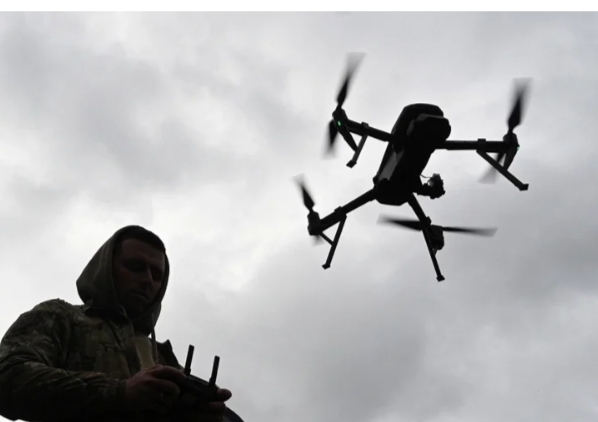
As the war in Ukraine continues to reshape global security, analysts are raising concerns about an overlooked consequence that could have far-reaching implications for Africa: the eventual return of battle-hardened foreign fighters and military contractors.
Security experts warn that the end of the conflict could see thousands of experienced combatants seeking new opportunities abroad, potentially increasing the risk of instability across parts of the African continent.
According to researchers Brown and Krause, history offers a sobering precedent. After the internal conflicts in South Africa and the former Rhodesia ended, many ex-soldiers transitioned into mercenary activities, participating in conflicts and coup attempts across Africa. Some found employment with private military companies, most notably South Africa’s Executive Outcomes, which became one of the continent’s most influential private military firms in the 1990s.
Today, Russia maintains a significant military footprint in Africa through the Wagner Group and its rebranded successor, the Africa Corps, with thousands of contractors deployed across several countries. Analysts believe those numbers could grow substantially once the war in Ukraine comes to an end.
Brown and Krause argue that Russian President Vladimir Putin may have strategic reasons to keep large numbers of demobilised soldiers and military contractors engaged overseas rather than allowing them to return home in large numbers. They suggest that overseas deployments could help reduce domestic security risks following the armed mutiny led by the late Wagner chief, Yevgeny Prigozhin, in June 2023.
Beyond Russian contractors, African nationals who have participated in the Ukraine conflict also present a potential long-term security challenge. Security analyst Njogu cautions that some returning fighters may bring home not only advanced combat skills but also extremist political and military ideologies developed during the war.
He warns that even a relatively small number of highly trained and ideologically driven individuals could have an outsized impact in countries already struggling with weak institutions, political instability, or armed insurgencies.
However, experts stress that such an outcome is not inevitable.
The extent of the threat, they argue, will depend largely on how effectively African governments prepare for the return of these fighters. Strong border security, comprehensive reintegration and employment programmes, capable intelligence and law-enforcement agencies, and closer regional cooperation will all be critical in preventing experienced combatants from becoming catalysts for future conflicts.
As the world focuses on the battlefield in Eastern Europe, analysts say African policymakers must also begin planning for the conflict’s long-term consequences closer to home. The decisions made today could determine whether returning veterans become contributors to peace and development—or new drivers of instability across the continent.