As political activities gradually gather momentum ahead of Nigeria’s 2027 general elections, the credibility of the Independent National Electoral Commission (INEC) voters’ register has come under renewed public scrutiny following a startling revelation that the register still contains the names of people who died many years ago.
INEC Chairman, Prof. Joash Amupitan, disclosed that the electoral commission’s register still includes names of deceased Nigerians, some of whom reportedly died as far back as 15 years ago. The disclosure has intensified concerns over the integrity of the country’s electoral process, with many Nigerians warning that an inaccurate register could undermine public confidence in the 2027 elections and create opportunities for electoral malpractice.
The INEC Chairman made the revelation while receiving the Director-General and Chief Executive Officer of the National Identity Management Commission (NIMC), Engr. Abisoye Coker-Odusote, and her management team during a courtesy visit in Abuja.
INEC, NIMC Deepen Partnership to Clean Up Voter Register
Prof. Amupitan announced that INEC and NIMC have strengthened their collaboration to sanitize Nigeria’s voter register by leveraging the National Identity Number (NIN) database for identity verification and continuous auditing of voter records.
According to him, the initiative is expected to eliminate deceased voters, duplicate registrations, underage registrants, and other irregularities that have long affected the integrity of the electoral database.
He explained that maintaining an accurate voter register would also significantly reduce the cost of conducting elections, as INEC currently prints electoral materials based on more than 100 million registered voters, many of whom may no longer be eligible.
The INEC Chairman further noted that the newly enacted NIMC Act 2026 provides a stronger legal framework for integrating identity management into Nigeria’s electoral system.
With NIMC’s database now containing over 136 million enrolled Nigerians, he expressed confidence that continuous synchronization between both agencies would improve the accuracy of voter registration and strengthen electoral transparency.
He also highlighted INEC’s recently introduced online voter registration platform, which now uses the National Identification Number (NIN) as the primary verification tool during Continuous Voter Registration (CVR).
Experts Warn Against Electoral Manipulation
The revelation has sparked widespread reactions from election observers and public affairs analysts, many of whom argue that retaining deceased persons on the voter register creates opportunities for electoral fraud.
Political analyst and university lecturer, Dr. Samuel Adegboye, described the development as a major loophole that could facilitate election manipulation.
According to him, inflated voter registers make it easier for unscrupulous politicians working with compromised electoral officials to manipulate election figures.
He commended the INEC Chairman for publicly acknowledging the problem but insisted that the admission must be followed by concrete action.
Dr. Adegboye also urged INEC to go beyond removing deceased voters by identifying and eliminating “ghost voters”—non-existent identities allegedly inserted into the register.
Drawing comparisons with Nigeria’s long-standing challenges of ghost workers in the public service and recently exposed cases of fictitious government agencies, he argued that similar fraudulent practices could also exist within the nation’s electoral database.
Financial Benefits of an Accurate Register
Stakeholders also emphasized the financial implications of maintaining an inflated voter register.
Retired civil servant Johnson Adewale noted that cleaning the register would eliminate unnecessary expenditure on printing ballot papers, voter cards, and other election materials for ineligible or non-existent voters.
He explained that accurate voter data would enable INEC to plan elections more efficiently while reducing opportunities for overproduction of electoral materials.
According to him, although sanitizing the register may not completely eliminate electoral malpractice, it would significantly reduce avenues for manipulation and improve the credibility of election outcomes.
Nigerians Demand Action, Not Promises
Former local government councillor Kolade Adegboyega welcomed INEC’s decision to collaborate with NIMC but stressed that Nigerians are more interested in tangible reforms than official assurances.
He urged the electoral commission to remove every obstacle capable of undermining the credibility of the 2027 general elections, describing a clean and verifiable voter register as the foundation of any transparent electoral process.
Similarly, lawyer and public affairs commentator Jason Osazuwa described the existence of deceased persons on the voter register as a reflection of Nigeria’s longstanding challenges with data management.
He called on INEC to match its promises with decisive action, insisting that Nigerians deserve elections built on integrity, transparency, and public trust.
A Critical Test Ahead of 2027
With preparations for the 2027 general elections gradually taking shape, INEC’s partnership with NIMC represents one of the most significant electoral reforms in recent years.
If effectively implemented, the integration of the National Identity Database with the voter register could help eliminate duplicate registrations, remove deceased and underage voters, reduce election costs, and strengthen confidence in Nigeria’s democratic process.
However, many Nigerians believe that the success of the initiative will ultimately be measured not by announcements or policy declarations, but by the credibility, transparency, and acceptance of the 2027 general election results.
Category Archives: NEWS

A Sacred Calling Fulfilled: Rev. Fr. Nathaniel Ndukaku Ukaegbu Ordained Catholic Priest in Umuahia
The Catholic faithful, family members, friends, and well-wishers gathered in joyful celebration as Rev. Fr. Nathaniel Ndukaku Ukaegbu was ordained a priest of the Holy Catholic Church in a solemn and spiritually uplifting ceremony held at the Mater Dei Cathedral, Umuahia.
The sacred ordination was presided over by the Catholic Bishop of Umuahia Diocese, His Lordship, Most Rev. Michael Kalu Ukpong, who conferred the Sacrament of Holy Orders on the ordinand, officially admitting him into the sacred priesthood of the Catholic Church.

The ordination Mass drew a large congregation of priests, religious men and women, seminarians, family members, friends, and faithful from different parts of the country who came to witness the historic milestone in the life of the new priest. The atmosphere inside the cathedral was filled with reverence, prayer, thanksgiving, and heartfelt joy as the Church welcomed another labourer into the Lord’s vineyard.
In his homily, Bishop Ukpong reminded the newly ordained priest of the enormous responsibility that accompanies the priestly vocation. He urged Rev. Fr. Ukaegbu to remain steadfast in faith, unwavering in the proclamation of the Gospel, faithful in the celebration of the sacraments, compassionate in pastoral ministry, and dedicated to serving God’s people with humility, integrity, and selfless love.
The faithful also joined in fervent prayers, asking God to grant the new priest wisdom, courage, holiness, and the grace to remain faithful to his sacred calling throughout his priestly ministry.

Following the ordination ceremony, guests proceeded to the Jubilee Auditorium, Mater Dei, Umuahia, where a colourful reception was held in honour of the newly ordained priest. The event featured goodwill messages, prayers, music, cultural entertainment, and expressions of appreciation from family members, friends, parishioners, and associates who celebrated the remarkable achievement.
Adding colour to the day’s celebration was a novelty football match organised in honour of the new priest. The friendly encounter featured the Seminarians against members of St. Theresa’s Catholic Youth Organization (CYON) and attracted enthusiastic spectators. The Seminarians emerged victorious with a 2–1 win in an entertaining contest that further reflected the spirit of joy and fraternity that characterised the celebration.

The reception also provided an opportunity for loved ones and members of the Christian community to felicitate with Rev. Fr. Nathaniel Ndukaku Ukaegbu and encourage him as he embarks on a lifelong mission of preaching the Gospel, administering the sacraments, and shepherding the faithful.
The celebration was marked by an impressive turnout, reflecting the deep affection and support the new priest enjoys within both the Church and the wider community. Guests described the occasion as inspiring and a testament to God’s abiding grace in raising faithful servants for His Church.

Priestly ordination remains one of the most sacred moments in the life of the Catholic Church, symbolising total commitment to Christ and selfless service to humanity. For Rev. Fr. Nathaniel Ndukaku Ukaegbu, the ceremony marks the beginning of a lifelong journey dedicated to evangelisation, pastoral care, the celebration of the Holy Eucharist, and the spiritual growth of God’s people.
As congratulations continue to pour in from across the Umuahia Diocese and beyond, the faithful remain united in prayer that God will strengthen His newly ordained servant with abundant grace, wisdom, good health, and perseverance, enabling him to faithfully fulfil the sacred mission entrusted to him.

The ordination of Rev. Fr. Nathaniel Ndukaku Ukaegbu stands as a powerful reminder that God continues to call men into His service, raising faithful shepherds to lead His people with love, humility, and unwavering commitment to the Gospel.
Congratulations to Rev. Fr. Nathaniel Ndukaku Ukaegbu on his priestly ordination. May the Lord bless his ministry abundantly and make him a worthy instrument of His peace, mercy, and love for generations to come.
$145 Million Solar Plant Set for Abia as Governor Otti Attracts Major Renewable Energy Investment
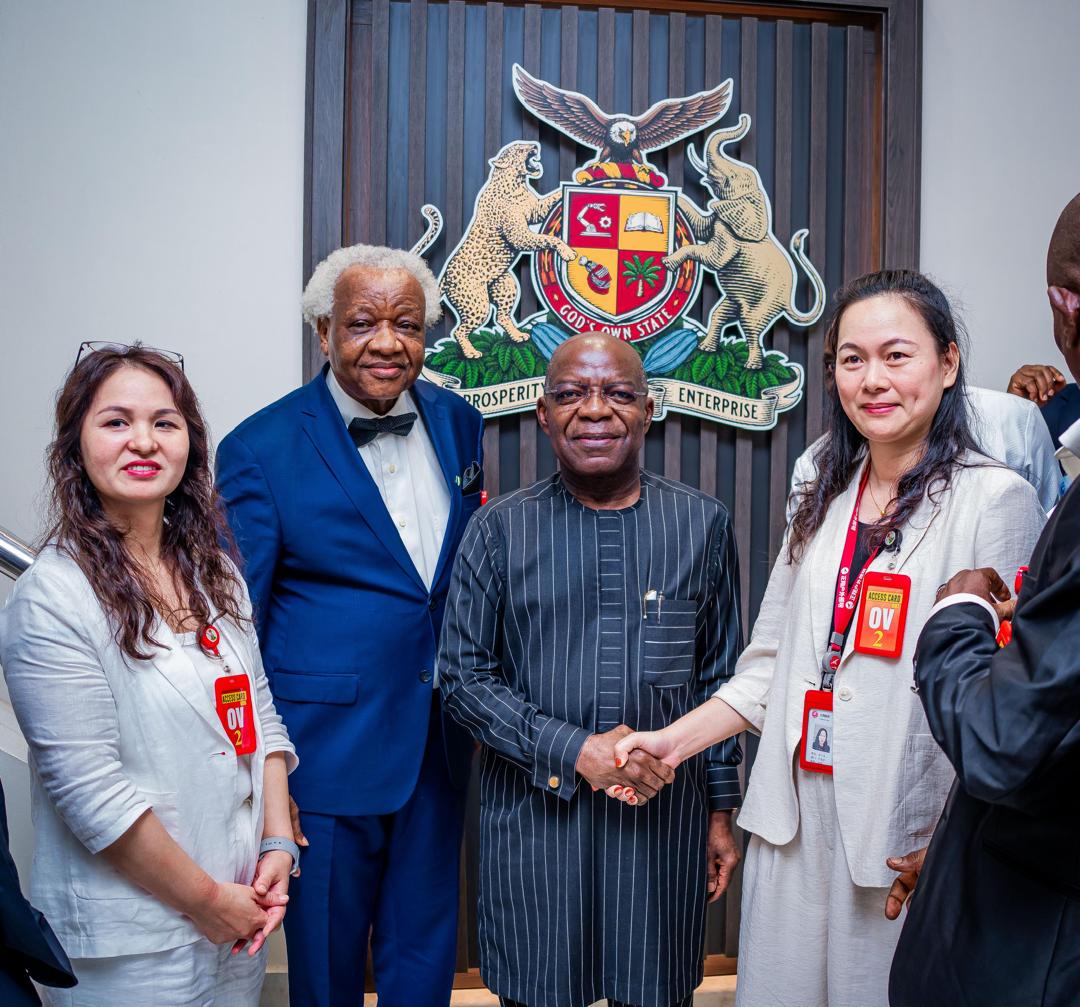
Abia State has recorded another major investment breakthrough as a consortium of investors announced plans to establish a $145 million solar manufacturing plant in Umuelele, Isiala Ngwa South Local Government Area.
The investors, led by Dr. Oko Jaja, formally briefed Governor Alex Otti on Thursday after reaching the Final Investment Decision (FID) stage—a milestone that confirms the project’s financial commitment and readiness for implementation.
Receiving the delegation at Government House, Umuahia, Governor Otti described the development as a strong endorsement of his administration’s economic policies and investor-friendly reforms.
“I’m glad that you have reached the final investment decision where you are investing up to 145 million dollars. This is exactly what we stand for—creating an enabling environment for businesses to grow and for people to invest,” the Governor said.
Governor Otti assured the investors of his administration’s continued support, noting that the government had already taken the necessary steps to make land available for the project.
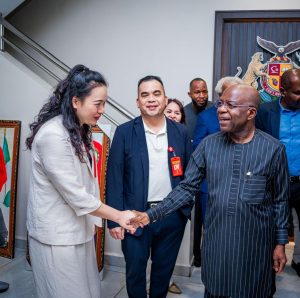
“We have done everything required to make the land available, and if there is anything else you need, do not hesitate to let us know,” he added.
The Governor emphasized that beyond the financial value of the investment, the project would stimulate economic growth through job creation, increased Gross Domestic Product (GDP), industrial expansion, and improved prosperity for residents.
“We don’t take investors lightly. We protect investments because of the jobs they create, the growth they bring to the economy, and the prosperity they generate,” Otti stated.
Speaking on behalf of the investors, Dr. Oko Jaja disclosed that the project is being executed in partnership with Chinese investors, who are committing approximately $145 million to the establishment of the solar manufacturing facility.
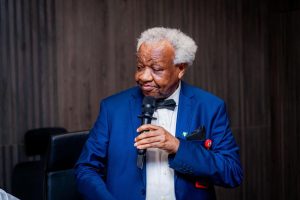
He praised the Abia State Government for creating a conducive business environment through improved infrastructure, ease of doing business, and policies that inspire investor confidence.
According to him, the first tranche of funding is expected to be released in September 2026, paving the way for the next phase of implementation.
Also speaking, the Chief Executive Officer of MD NWAKANMA NIGERIA Limited, Mr. Dennis Madu Nwakamma, said the factory would be developed through a Public-Private Partnership (PPP) with the Abia State Government.
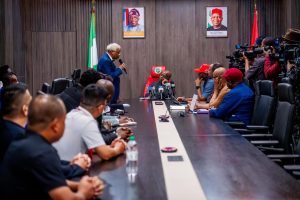
He explained that Chinese technical partners had already visited the proposed project site for preliminary assessments, while construction is expected to commence by the end of September.
Beyond manufacturing solar panels and related components, Nwakamma said the project would significantly impact youth empowerment by creating employment opportunities and developing local technical expertise.
According to him, young Abians are already receiving training in solar installation and renewable energy technologies, while selected workers will undergo advanced manufacturing training in China once the factory begins operations.
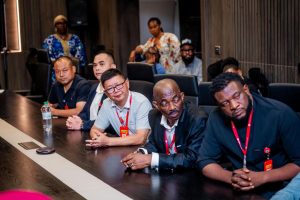
The project is expected to position Abia as one of Nigeria’s emerging centres for renewable energy manufacturing while supporting the country’s transition to cleaner energy solutions.
Present at the meeting were the Commissioner for Power and Public Utilities, Engr. Ikechukwu Monday; the Commissioner for Lands, Mr. Chaka Chukwumerije; the Director-General of the Public-Private Partnership (PPP) Office; and other senior government officials.
ABSG TO PARTNER ISPON ON PUBLIC AND WORKPLACE SAFETY AS INDUSTRIALISATION DRIVE INTENSIFIES
The Executive Governor of Abia State, His Excellency Dr. Alex Otti, OFR, has reaffirmed his administration’s commitment to promoting workplace, occupational, and public safety through a strategic partnership with the Institute of Safety Professionals of Nigeria (ISPON), as the state intensifies its industrialisation and economic transformation agenda.
Governor Otti gave the assurance while receiving the national leadership of ISPON, led by its National President, Chief Dr. Stephen Udezi, during a courtesy visit to the Government House, Umuahia.
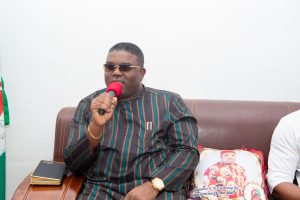
Welcoming the delegation, the Governor, who was represented by his Deputy, Engr. Ikechukwu Emetu, FNSE, described the Institute’s offer to provide professional safety services, technical advisory support, and free safety audits for government facilities as a timely intervention that aligns with the state’s expanding industrial and infrastructure development.
He stressed that the present administration remains committed to collaborating with reputable professional bodies whose expertise will strengthen governance, enhance public safety, and drive sustainable development.
“Everything good now finds its way to Abia State. We are pleased to welcome partnerships with professional bodies like ISPON whose expertise will contribute to strengthening safety standards, improving governance, and supporting our drive for sustainable development,” the Governor said, while commending ISPON for its readiness to support the government with professional safety services.

Governor Otti assured the delegation that the State Government would carefully consider the Institute’s requests, including support for its 2026 Professional Development Conference and Annual General Meeting (AGM), scheduled to hold in Umuahia from October 14 to 16, 2026.
He explained that attracting national and international conferences has become a deliberate economic strategy of the administration, noting that such events stimulate business activities through increased patronage of hotels, transport services, restaurants, and other local enterprises.
“The money spent in sponsoring such a programme is far less than what participants will inject into the state’s economy. Whichever way you look at it, Abia gains because our people benefit economically,” the Governor said.
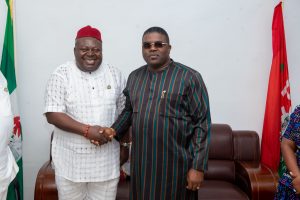
He added that hosting professional conferences has become one of the ways through which the administration promotes economic growth, as visitors attending such events contribute directly to the expansion of local businesses and service providers.
The Governor further highlighted the ongoing development of the Abia Industrial and Innovation Park (AIIP), stating that strict adherence to global safety standards would remain a key requirement for industries operating within the state.
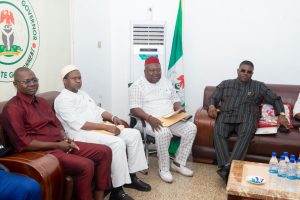
He also sought ISPON’s collaboration in training personnel involved in the state’s market retrofitting programme to minimise fire outbreaks and improve public safety, adding that the proposed Abia State Safety Commission would work closely with the Institute to strengthen safety regulation and compliance.
Earlier, the National President of ISPON, Chief Dr. Stephen Udezi, said the visit was aimed at deepening collaboration between the Institute and the Abia State Government in promoting occupational, environmental, and public safety.
He commended Governor Otti’s visionary leadership and ongoing reforms, describing Abia as one of Nigeria’s fastest-growing states in terms of infrastructure and economic development.
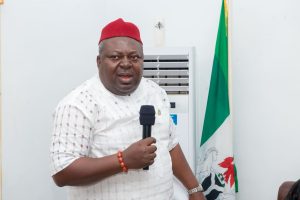
Dr. Udezi stated that the Institute is prepared to support the government through technical advisory services, specialised safety training, capacity building for government personnel and contractors, as well as professional guidance for strategic projects, including the Abia Industrial and Innovation Park.
He advocated the establishment of an Abia State Safety Commission to coordinate safety policies and strengthen regulatory compliance across both the public and private sectors.
The ISPON President disclosed that the Institute selected Abia State as the venue for its 2026 Professional Development Conference and Annual General Meeting because of the remarkable transformation taking place under Governor Otti’s administration.

He revealed that the conference is expected to attract over 1,000 delegates from Nigeria and other countries, providing a significant boost to tourism, hospitality, transportation, and commercial activities within the state.
Dr. Udezi further pledged that ISPON would conduct a comprehensive safety audit of the Government House at no cost and support the training and certification of government personnel as professional safety practitioners.
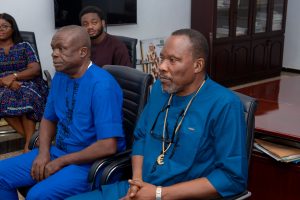
He reminded organisations that under the ISPON Act, 2014, only registered members of the Institute are legally recognised as professional safety practitioners in Nigeria, warning that organisations engaging unqualified personnel for safety responsibilities risk legal sanctions.
Also speaking, the Chairman of ISPON, Abia State Branch, Engr. Henry Uzoma, described the visit as a strategic move towards integrating safety into the state’s development agenda.
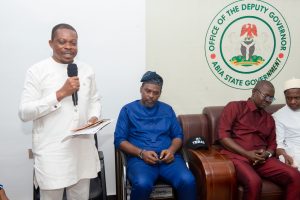
He emphasised the need for the establishment of an Abia State Safety Commission, noting that a coordinated safety framework would boost investor confidence and ensure compliance with global safety standards as the state continues to attract investments.
Uzoma added that the October conference would bring together safety professionals from Nigeria, across Africa, and beyond, creating additional economic opportunities for local businesses while promoting greater awareness of safety best practices.
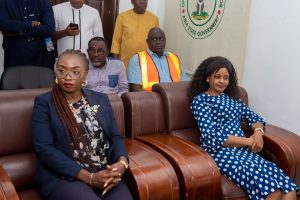
He commended Governor Otti for his exceptional leadership, stating that the administration’s developmental achievements have positioned Abia as a benchmark for good governance in the South-East.
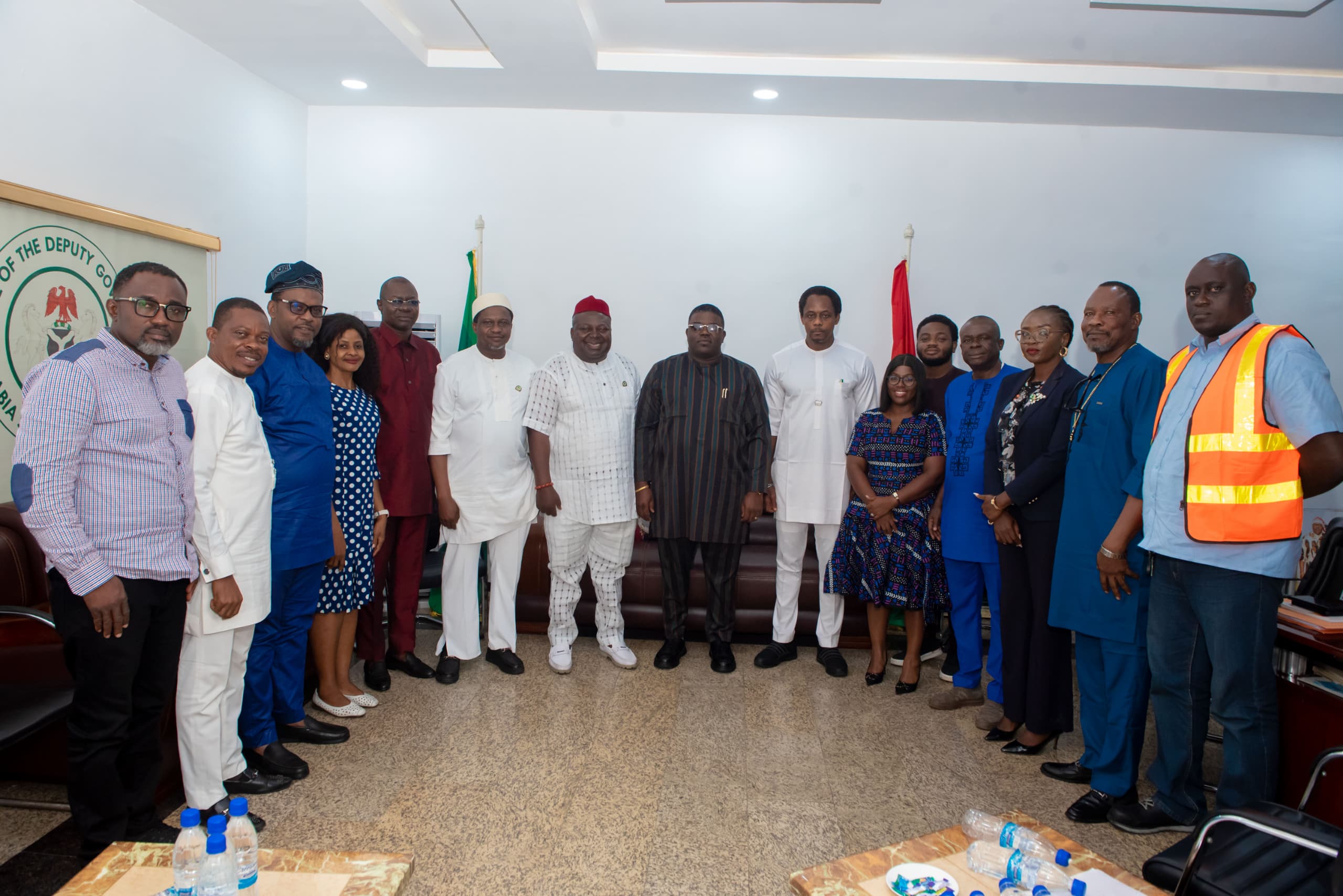
Present during the courtesy visit were the Deputy Chief of Staff, Office of the Deputy Governor, Barr. Chijioke Nwankwo, and aides to the Deputy Governor.
Sir Cyril Chukwudi Eke Mba
Chief Press Secretary to the Deputy Governor of Abia State
Government House, Umuahia
July 16, 2026.

Court Tightens Grip on 2027 Election Disputes as New Rules Permit Virtual Trials, Case Transfers
The Federal High Court has introduced major reforms to its 2026 Pre-Election Practice Directions, giving judges wider powers and deploying technology-driven measures aimed at ensuring faster resolution of disputes ahead of Nigeria’s 2027 general elections.
The amended Practice Directions, signed by the Chief Judge of the Federal High Court, Justice John Tsoho, took effect on July 14, barely three weeks after the initial guidelines came into force.
According to the court, the changes are designed to strengthen the efficiency, fairness and speed of pre-election litigation in line with constitutional requirements and the Electoral Act.
The Director of Information of the Federal High Court, Dr Catherine Christopher, said the amendments were introduced pursuant to relevant provisions of the 1999 Constitution, the Electoral Act and other enabling laws governing election disputes.
Technology Takes Centre Stage
One of the most significant changes is the formal introduction of virtual hearings into pre-election proceedings.
Under the amended rules, judges handling election-related matters can now rely on technology, including virtual court sessions, to prevent delays and ensure cases are concluded within legally prescribed timelines.
The move is expected to reduce challenges associated with physical appearances, especially where lawyers, parties or witnesses are unable to attend court proceedings in person.
Chief Judge Gains More Administrative Powers
The new guidelines also expand the authority of the Chief Judge of the Federal High Court.
The Chief Judge can now assign judges to hear pre-election cases outside their regular judicial divisions and transfer cases from one division to another where necessary.
This provision is aimed at improving case management, reducing congestion and ensuring that urgent political disputes are handled promptly.
Court Registries To Remain Open Beyond Normal Working Days
In another major development, court registries will now be available during weekends and public holidays for the filing of election-related matters.
The decision is expected to address concerns over strict electoral timelines, where delays in filing cases could affect candidates’ legal rights and the ability of courts to deliver judgments before statutory deadlines.
Stricter Measures Against Delays
While maintaining the earlier restriction limiting parties to a maximum of two adjournments, the amended rules introduce tougher measures against attempts to slow down proceedings.
The court will no longer entertain applications for adjournment on a scheduled hearing date.
Similarly, parties that change legal representatives during proceedings will only be allowed two adjournments.
The court has also empowered judges to award costs against parties or lawyers who file applications considered to be designed mainly to frustrate the progress of cases.
Faster Handling of Technical Objections
The amended directions retain the requirement that preliminary objections concerning jurisdiction should be determined alongside the main case during final judgment.
This approach is intended to prevent technical legal arguments from unnecessarily delaying the determination of election disputes.
However, where allegations involving fraud, forgery or other serious disputed facts arise, parties will now be required to provide written depositions, with witnesses subject to cross-examination.
Timelines Remain Strict
The court has maintained strict filing deadlines for pre-election matters.
Respondents are required to enter appearance within seven days and file their defence within 10 days, while applicants have three days to file replies.
Written addresses accompanying originating summons remain limited to 15 pages, while those supporting preliminary objections must not exceed 10 pages.
Implications For Nigeria’s 2027 Elections
The latest reforms signal the judiciary’s determination to avoid prolonged election-related disputes and ensure that pre-election matters are resolved within constitutional timelines.
With political parties expected to intensify preparations for the 2027 elections, the new rules could significantly shape how disputes over party primaries, nominations and candidate eligibility are handled.
The introduction of virtual hearings, flexible case assignments and extended registry operations represents one of the most comprehensive attempts by the Federal High Court to modernise election litigation and prevent procedural delays from undermining Nigeria’s electoral process.
As political activities gather momentum, stakeholders will be watching closely to see how effectively the new framework delivers faster and more transparent justice in the nation’s pre-election battles.
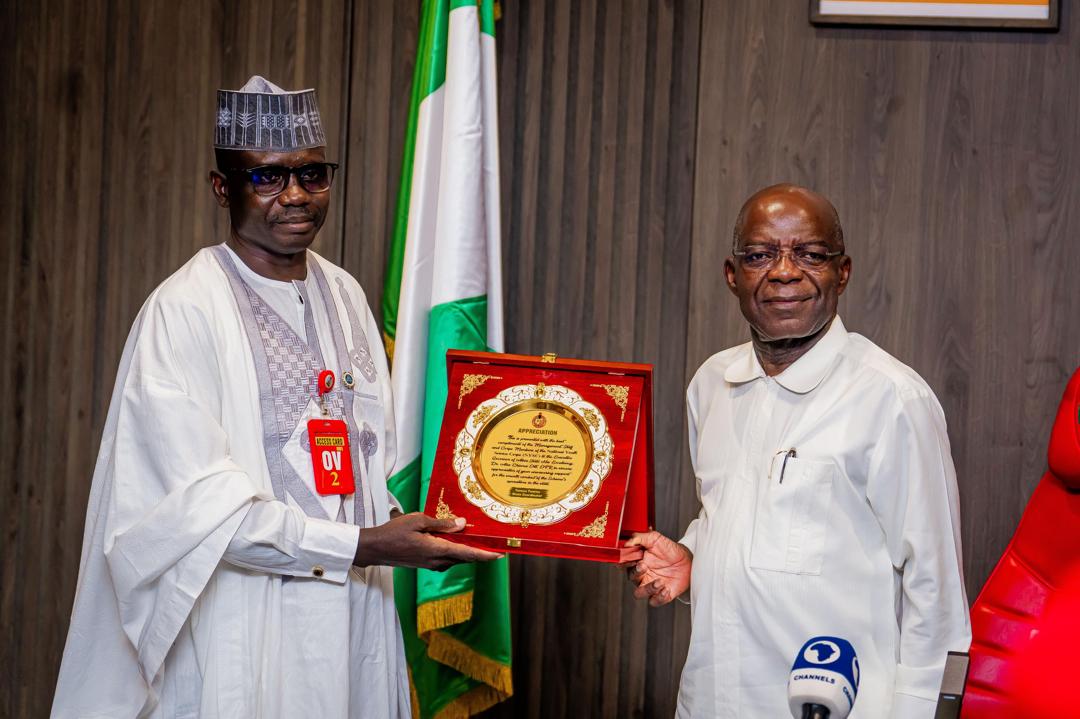
Otti Orders Immediate Payment of NYSC Allowance, Says “Funds Are Ready”
Abia State Governor, Dr. Alex Otti, has directed the immediate resolution of administrative challenges delaying the commencement of the approved enhanced allowance for National Youth Service Corps (NYSC) members serving in the state.
Governor Otti gave the directive on Tuesday, July 14, 2026, when he received the newly posted NYSC State Coordinator, Alhaji Yunusa Tanimu, at his office in Umuahia.
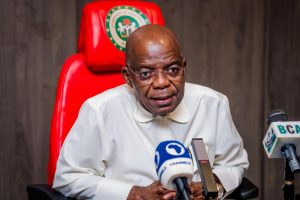
The Governor expressed surprise that the payment of the additional allowance approved for corps members had not commenced despite necessary approvals and financial provisions already made by his administration.
According to him, the issue had earlier been linked to verification challenges involving Bank Verification Numbers (BVN), which he said had already been addressed.
“I am surprised that the extra allowance that I approved had not been implemented. I have already given the approval, and we have made provisions for it. If it has not been implemented, then it is of no use to us because it is already provided for,” Governor Otti stated.
He immediately directed the Commissioner for Youth and Sports Development, Sir Nwaobilor Ananaba, to work with the Head of Service to identify and remove any remaining obstacles preventing the payment.
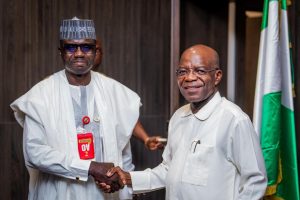
The Governor said his administration remains committed to improving the welfare of NYSC members because of their contributions to the development of the state, particularly in education and healthcare sectors.
“NYSC members are teaching in our schools and working in our hospitals. We believe that whatever we can do to make their stay comfortable, we will do,” he said.
NYSC Commends Otti’s Support
Earlier, the newly appointed NYSC State Coordinator in Abia, Alhaji Yunusa Tanimu, thanked Governor Otti for his support towards the scheme and appealed for the speedy implementation of the enhanced allowance for corps members.
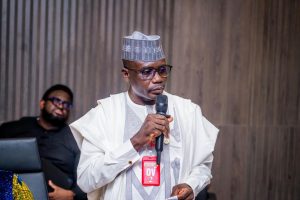
The NYSC coordinator highlighted several interventions by the Otti administration, including the renovation of corps members’ hostels and multipurpose hall at the NYSC Permanent Orientation Camp in Umunna, construction of internal roads within the camp, installation of solar-powered streetlights, funding support for orientation exercises, improved feeding arrangements, generator fueling and logistics assistance.
He also commended the Governor for approving improved welfare packages for corps members and providing a new office accommodation for the NYSC Secretariat in Umuahia.

Alhaji Tanimu described the interventions as evidence of the Abia State Government’s commitment to youth development and national integration.
“Everyone Living in Abia is Welcome” — Otti
Governor Otti also assured the new NYSC coordinator of the hospitality of Abians, stressing that his administration does not discriminate based on state of origin.
He said anyone who lives, works, or contributes to the progress of Abia is considered part of the state’s development journey.
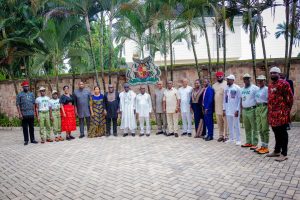
The Governor congratulated Alhaji Tanimu on his new posting and expressed confidence that the NYSC would continue to play a vital role in the advancement of Abia State.
The meeting was attended by the Commissioner for Youth and Sports Development, Sir Nwaobilor Ananaba, Special Assistant on Sports, Special Assistant on Youth Development, and other government officials.
Senate Rejects Makinde’s UN Probe Call, Commends Security Forces After 56-Day Oyo School Abduction Rescue
Lawmakers hail military operation that freed pupils and teachers, honour fallen officers, and demand stronger action against remaining kidnappings
The Nigerian Senate has rejected Oyo State Governor Seyi Makinde’s call for a United Nations-led investigation into the abduction of schoolchildren and teachers in Oriire Local Government Area, describing the move as unnecessary and a distraction from the successful rescue operation carried out by Nigeria’s security agencies.
The Senate’s position followed the adoption of a motion on Tuesday commending President Bola Tinubu, the Nigerian Armed Forces and other security agencies for the safe rescue of the abducted pupils and their teachers after 56 days in captivity.
The motion, sponsored by Senate Leader Opeyemi Bamidele (APC, Ekiti Central) and supported by all senators, praised the bravery, professionalism and sacrifice of security personnel involved in the operation, including those who lost their lives while ensuring the victims regained their freedom.
The Senate also called on the Federal Government to sustain military and intelligence operations against terrorists, kidnappers, bandits and other criminal elements threatening national security.
Senate Challenges Makinde’s Demand
The controversy over an international investigation arose after Governor Makinde, in a statewide broadcast following the handover of the rescued pupils and teachers to the Oyo State Government, urged the United Nations and other international human rights bodies to examine the circumstances surrounding the abduction.
The governor argued that the incident raised questions requiring independent review beyond Nigeria’s internal institutions.
However, the Senate disagreed with the position.
Senator Adams Oshiomhole (APC, Edo North) introduced an additional prayer urging the governor to withdraw his demand for a United Nations investigation, arguing that the rescue operation demonstrated the capability and commitment of Nigeria’s security institutions.
The proposal was seconded by Senator Aniekan Bassey (APC, Cross River South) and subsequently adopted by the Senate.
Lawmakers Praise Security Agencies
While rejecting the call for external investigation, senators overwhelmingly praised the security agencies involved in the rescue mission.
The Senate specifically commended the Chief of Defence Staff, Chief of Army Staff, Chief of Naval Staff, Chief of Air Staff, National Security Adviser, Inspector-General of Police, Department of State Services, National Intelligence Agency and all personnel who participated in the operation.
The lawmakers described their efforts as a demonstration of professionalism, patriotism and commitment to protecting Nigerians.
Senator Victor Umeh (LP, Anambra Central) said the successful rescue had renewed public confidence in the nation’s security architecture.
“What we thought was insurmountable is now surmountable. I am very happy with this operation,” he said.
Calls for More Rescue Operations
Despite celebrating the successful mission, senators warned that many Nigerians, including children, remain in captivity across the country.
Senator Adamu Aliero (PDP, Kebbi Central) urged security agencies to intensify efforts to rescue other abducted schoolchildren, particularly those still being held in Borno State.
Similarly, Senator Tahir Monguno (APC, Borno North) appealed to the military to replicate the same urgency shown in the Oyo operation in other kidnapping cases.
“There are children still in captivity. I urge the military to show the same urgency so that they can be free from captivity,” he said.
Senator Abdul Ningi (PDP, Bauchi Central) also urged the National Security Adviser, Nuhu Ribadu, to maintain the inter-agency cooperation that contributed to the success of the rescue operation and apply the same strategy to other security challenges.
Senate Honours Fallen Heroes
The Senate paid tribute to security personnel who died during the operation, observing a minute’s silence in honour of Lieutenant F.A. Isaac, Private Silas Musa and Sergeant Abena John Jerome.
The lawmakers described them as heroes who made the ultimate sacrifice in defence of the nation and the protection of innocent citizens.
The Senate also called for immediate payment of death benefits, insurance claims, pensions and other entitlements to the families of the fallen officers.
Lance Corporal Adamu Hussain, who sustained injuries during the operation, was also recognised for his bravery, with the Senate urging authorities to provide him with adequate medical care and welfare support.
Sustaining the Fight Against Insecurity
The Senate urged Nigerians to support security agencies through timely intelligence sharing, cooperation and patriotism.
It further called on the Federal Government to strengthen security operations by providing modern equipment, advanced surveillance technology, improved intelligence capabilities, better logistics and enhanced welfare packages for personnel.
The lawmakers said the successful rescue of the Oyo pupils and teachers should serve as a turning point in the fight against kidnapping, while urging continued action to ensure that every Nigerian can live, work and pursue education without fear.
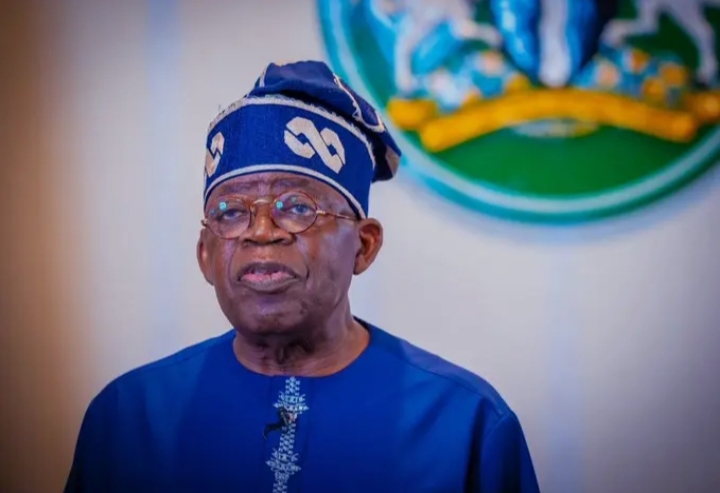
Tinubu Declares End of Raw Cocoa Export Era, Unveils Plan to Make Nigeria a Global Chocolate Powerhouse
President Bola Ahmed Tinubu has declared that Nigeria will no longer remain a supplier of raw cocoa beans to the global market while importing finished chocolate products, announcing a major push to transform the country’s cocoa sector through local processing, industrialisation and value addition.
The President made the declaration on Tuesday at the 2026 Cocoa Value Addition Summit in Abuja, themed “From Bean to Brand: The Bean in My Hand, The Brand in Our Future.”
The high-level summit attracted government officials, cocoa-producing countries, investors, development partners, financial institutions and industry stakeholders, with discussions centred on how Africa can capture a larger share of the multibillion-dollar global chocolate industry.
Represented by the Minister of Agriculture and Food Security, Senator Abubakar Kyari, President Tinubu said Nigeria’s long-standing practice of exporting raw agricultural commodities while importing finished products must end.
He said the country must now process, package, brand and market its cocoa products locally in order to create jobs, increase foreign exchange earnings and ensure farmers benefit more from the value of their produce.
“Nigeria will no longer export raw beans while importing finished value. We will grind our beans at home, press our butter at home, make our chocolate at home, brand it at home and sell it to the world on our own terms,” the President said.
Africa Produces Cocoa, Others Capture the Wealth
President Tinubu noted that Africa produces about 70 per cent of the world’s cocoa, yet receives only a small share of the estimated $130 billion–$165 billion global chocolate market, largely because processing and branding activities are concentrated outside the continent.
He said Nigeria has the potential to become a major player in the global cocoa value chain, noting that more than 300,000 farming families cultivate cocoa across over 1.4 million hectares of farmland.
According to him, Nigeria’s cocoa sector has generated significant export earnings, particularly during periods of high global prices, but the country must move beyond relying on commodity exports.
He highlighted ongoing investments in cocoa processing, including a major facility being developed in Sagamu, Ogun State, which he described as the largest cocoa processing project in Nigeria.
Government Targets Industrial Transformation
The Minister of State for Industry, Senator John Owan Enoh, said the summit represents a major step towards implementing Nigeria’s industrialisation agenda.
He stressed that the country’s focus must shift from celebrating the quantity of cocoa exported to measuring the value created before products leave Nigerian shores.
“We are not interested in exporting anonymous sacks anymore. We are interested in exporting value,” Enoh said.
The minister, who recalled growing up around cocoa farms in Cross River State, said many cocoa-producing communities had contributed immensely to Nigeria’s economy without enjoying the full benefits of the industry.
He argued that establishing more processing facilities in producing states would improve farmers’ incomes, create employment opportunities and strengthen rural economies.
BOI Opens Financing Window for Cocoa Investments
The Managing Director and Chief Executive Officer of the Bank of Industry, Dr Olasupo Olusi, announced the institution’s readiness to provide long-term financing for investors across the cocoa value chain.
He said the bank would support projects covering the entire ecosystem — from cocoa farming and cooperatives to processing plants, ingredient manufacturing, packaging and chocolate production.
Olusi revealed that the bank had secured a €60 million facility from the European Investment Bank to support cocoa sector development.
He added that the Bank of Industry had already financed thousands of agro-processing businesses and linked smallholder farmers to industrial value chains.
According to him, cocoa should not be viewed merely as an agricultural commodity but as a foundation for industrial growth.
Africa Seeks Stronger Cocoa Alliance
The Chief Executive of the Ghana Cocoa Board, Ransford Abbey, called for deeper cooperation among Africa’s major cocoa-producing countries, including Nigeria, Ghana, Côte d’Ivoire and Cameroon.
He said African countries produce between 75 and 77 per cent of global cocoa, but earn less than 10 per cent of the value generated by the chocolate industry.
Abbey advocated the creation of a stronger African cocoa alliance capable of controlling a significant share of global cocoa production and improving the continent’s bargaining power.
“We do not need charity. We deserve equity. The time has come for Africa to process its own wealth, protect its farmers and negotiate with one voice,” he said.
A New Future for Nigerian Cocoa
The summit concluded with the adoption of the Cocoa Value Addition Accord and the proposed Abuja Declaration, aimed at accelerating domestic processing, attracting investments, improving farmer welfare and strengthening cooperation among cocoa-producing nations.
Nigeria, once the world’s second-largest cocoa producer, has seen its global ranking decline due to years of underinvestment, policy gaps and the dominance of the oil economy.
However, the Federal Government says the renewed focus on cocoa value addition is part of a broader strategy to diversify the economy, expand non-oil exports, create millions of jobs and support the ambition of building a $1 trillion Nigerian economy.

NYSC Warns Employers Against Neglecting Corps Members, Seeks Better Welfare and Safer Workplaces
The National Youth Service Corps (NYSC) has called on employers of corps members across Nigeria to take greater responsibility for their welfare, security and workplace experience, warning that poor treatment of young graduates undermines the objectives of the national service programme.
The call was made on Tuesday during the 2026 Corps Employers’ Workshop held in Sokoto, with the theme: “Fine-Tuning Stakeholders’ Collaboration to Enhance Corps Members’ Welfare and Workplace Experience.”
The workshop brought together NYSC officials, government representatives, employers and other stakeholders to review challenges affecting corps members and strengthen partnerships aimed at improving their service year experience.
Representing the NYSC Director-General, Brigadier General Olakunle Oluseye Nafiu, the Acting Director of the North-West Area Office II, Alhaji Usman Yakubu Yaro, stressed that employers remain critical partners in ensuring that corps members operate in safe, supportive and productive environments.
He said corps members should not be viewed as temporary labour but as young professionals equipped with skills and knowledge capable of contributing meaningfully to national development.
NYSC Raises Concern Over Corps Members’ Rejection
A major concern highlighted at the workshop was the increasing cases of corps members being rejected by their places of primary assignment.
According to the NYSC Director-General, some employers and corps members engage in deliberate arrangements to facilitate rejection, a development he described as detrimental to the objectives of the scheme.
He urged stakeholders to discourage such practices and ensure that corps members are properly integrated into their assigned organisations.
Nafiu also expressed concern over the underutilisation of corps members, noting that many graduates are not given responsibilities that reflect their academic backgrounds, skills and professional abilities.
He emphasised that organisations stand to benefit more when corps members are assigned meaningful roles that allow them to contribute effectively.
Delayed Clearance, Accommodation and Welfare Challenges
The NYSC management also identified delays in issuing monthly clearance to qualified corps members as another challenge affecting the smooth running of the programme.
The Director-General criticised organisations that fail to formally request corps members but still expect the NYSC to deploy personnel to them, describing such attitudes as counterproductive to effective manpower planning.
Earlier, the NYSC Sokoto State Coordinator, Mr. Gabriel Tyoyer Ter, listed several challenges confronting corps members in the state, including absconding, poor treatment at places of primary assignment, inadequate support for Community Development Service (CDS) projects and accommodation difficulties.
He said the employers’ workshop was designed to create a platform where stakeholders could discuss practical solutions and develop strategies to improve the overall service experience of corps members.
Strengthening Partnership for National Development
The Sokoto NYSC coordinator reaffirmed the commitment of the scheme to promoting national unity, youth empowerment and socio-economic development through the service programme.
He noted that the NYSC Management/Corps Employers’ Forum had continued to strengthen cooperation between the scheme and employers, resulting in improved deployment, monitoring and utilisation of corps members.
Stakeholders at the workshop pledged renewed commitment to working with the NYSC to enhance the welfare, safety and productivity of corps members serving across Sokoto State.
The consensus was that a stronger partnership between employers and the NYSC remains essential to achieving the founding vision of the scheme — building a united Nigeria through meaningful youth engagement and service.

FG Develops New National Framework to Reintegrate Ex-Combatants and Strengthen Counter-Terrorism Efforts
The Federal Government has taken a significant step toward addressing Nigeria’s growing security challenges by unveiling a comprehensive set of Standard Operating Procedures (SOPs) to guide the implementation of its Disarmament, Demobilisation and Reintegration (DDR) programme.
The initiative is designed to strengthen the country’s non-military approach to tackling terrorism, violent extremism, armed banditry and other forms of conflict by providing eligible individuals with structured pathways to abandon violence and successfully reintegrate into society.
The development was announced on Monday in Abuja by the National Coordinator of the National Counter Terrorism Centre (NCTC), Office of the National Security Adviser, Major General Adamu Laka, during the National Validation Workshop on the SOPs for the DDR programme at both the federal level and in the pilot states of Kaduna, Katsina and Zamfara.
According to Laka, the newly developed SOPs transform the objectives of the National DDR Framework into practical guidelines that will ensure transparency, accountability, professionalism and effective coordination among all institutions responsible for implementing the programme.
He explained that the procedures were formulated after extensive consultations involving key stakeholders and were informed by Nigeria’s security realities, lessons from previous national experiences and internationally recognised best practices.
The framework clearly outlines the responsibilities of participating institutions, strengthens inter-agency collaboration, standardises operational procedures and ensures that all DDR activities comply with human rights principles and the rule of law.
Laka emphasised that while military operations remain crucial in dismantling terrorist and criminal networks, sustainable peace requires complementary non-kinetic strategies that encourage those willing to renounce violence to safely return to civilian life.
He noted that consultations conducted across Nigeria’s six geopolitical zones revealed overwhelming support for a nationally coordinated, community-driven and human rights-based DDR system capable of responding to evolving security threats such as terrorism, violent extremism, banditry, communal clashes, farmer-herder conflicts, organised crime and separatist violence.
The validation workshop also marked an important milestone in institutionalising a transparent and coordinated DDR architecture across Nigeria, with special attention given to the pilot states of Kaduna, Katsina and Zamfara due to their unique security challenges.
Speaking at the event, the Director of Preventing and Countering Violent Extremism at the NCTC, Ambassador Abimbola Wońosikou, said the SOPs were created to harmonise existing rehabilitation and reintegration initiatives under one coordinated national framework.
She disclosed that State DDR Committees have already been established in Kaduna, Katsina and Zamfara to oversee implementation at the sub-national level. These committees include representatives from state governments, security agencies, the judiciary, traditional and religious institutions, women’s and youth organisations, civil society groups and technical experts.
According to Wońosikou, the SOPs provide detailed guidance on institutional responsibilities, case management, referral systems, information sharing, community engagement, monitoring and evaluation, coordination mechanisms and safeguards for protecting human rights.
She clarified that while the DDR programme provides rehabilitation opportunities for eligible individuals willing to abandon violence, those found responsible for serious criminal offences will continue to face prosecution in accordance with Nigerian law.
Wońosikou also stressed the importance of a coordinated public communication strategy to combat misinformation and improve public understanding of the programme’s objectives.
Representing the United Nations Peace Support Office, Mario Nascimento commended Nigeria for adopting a modern DDR framework that reflects the country’s changing security landscape.
He noted that Nigeria’s approach now extends beyond rehabilitating former combatants to strengthening community resilience and promoting shared responsibility for sustainable peace.
Nascimento emphasised that successful reintegration cannot occur in isolation but requires the active participation of host communities, civil society organisations, local authorities and the private sector.
The new Standard Operating Procedures are expected to serve as the operational backbone of Nigeria’s DDR programme, reinforcing the Federal Government’s commitment to reducing violence, preventing the return of former combatants to armed groups, strengthening community resilience and promoting long-term national peace and stability.