All posts by Our Reporter

Trump’s Call to FIFA Sparks Controversy as Balogun Cleared to Face Belgium in World Cup Clash

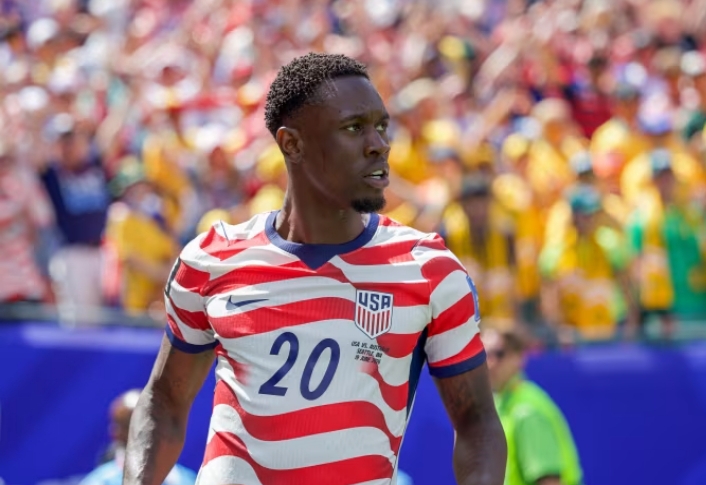
The United States men’s national team has received a major boost ahead of its FIFA World Cup Round of 16 showdown with Belgium after FIFA dramatically suspended striker Folarin Balogun’s automatic one-match ban, a decision that has quickly become one of the tournament’s biggest talking points.

Balogun, who was sent off during the USA’s 2-0 victory over Bosnia and Herzegovina after a VAR review ruled that his challenge on Bosnian defender Tarik Muharemovic amounted to serious foul play, had been expected to miss Monday’s knockout fixture.

However, in a surprising twist, FIFA’s Disciplinary Committee announced on Sunday that it had invoked Article 27 of its disciplinary code, allowing the mandatory suspension to be deferred under a one-year probation period.

Under the ruling, Balogun remains guilty of the red-card offense, but he is free to play against Belgium. If he commits another similar offense within the probation period, the suspended ban will immediately take effect in addition to any fresh punishment.

Trump’s Reported Intervention Raises Eyebrows

The decision has generated intense controversy following reports that U.S. President Donald Trump personally contacted FIFA President Gianni Infantino earlier in the week, urging him to review Balogun’s case.

According to CNN, a source familiar with the matter confirmed that Trump spoke with Infantino after Balogun’s dismissal. Shortly after FIFA announced its decision, Trump celebrated the outcome on his Truth Social platform, describing it as the correction of “a great injustice.”

The reported presidential involvement has fueled widespread debate over whether political influence played any role in FIFA’s disciplinary process, especially given Trump’s close relationship with Infantino.

FIFA Cites Existing Rule

Despite the controversy, FIFA insists the decision was made under an existing provision within its disciplinary regulations.

Article 27 gives FIFA’s judicial bodies the authority to suspend the implementation of certain sporting sanctions under probation in exceptional circumstances.

Although rarely applied, FIFA previously relied on the same provision involving Portugal captain Cristiano Ronaldo, whose suspension for violent conduct was partially suspended before the 2026 World Cup after considering his disciplinary history.

Belgium Questions FIFA’s Decision

Belgium has reacted strongly to the ruling.

The Royal Belgian Football Association described FIFA’s action as being inconsistent with the tournament regulations and confirmed it is examining all available legal and sporting options.

Belgium coach Rudi Garcia also questioned the timing of the decision, sarcastically suggesting that FIFA headquarters had mistaken July 5 for April Fools’ Day.

According to Garcia, Belgium’s objection is not merely about one match but about protecting the integrity, ethics and fairness of international football.

USA Welcomes Balogun’s Return

For the United States, Balogun’s availability is a significant boost.

The Arsenal-born striker has been one of the standout performers of the tournament, scoring three goals in four matches and emerging as the focal point of Mauricio Pochettino’s attacking system.

U.S. Soccer welcomed FIFA’s ruling, saying the federation accepts the committee’s decision and is pleased that Balogun will be available for the crucial encounter against Belgium.

As kickoff approaches, attention will now shift from the controversy off the pitch to whether Balogun can justify FIFA’s extraordinary decision with another match-winning performance on the field. However, the debate surrounding the circumstances of his eligibility is likely to continue long after the final whistle.
DR Congo’s Ebola Response Offers Critical Lessons for Nigeria and the Rest of Africa

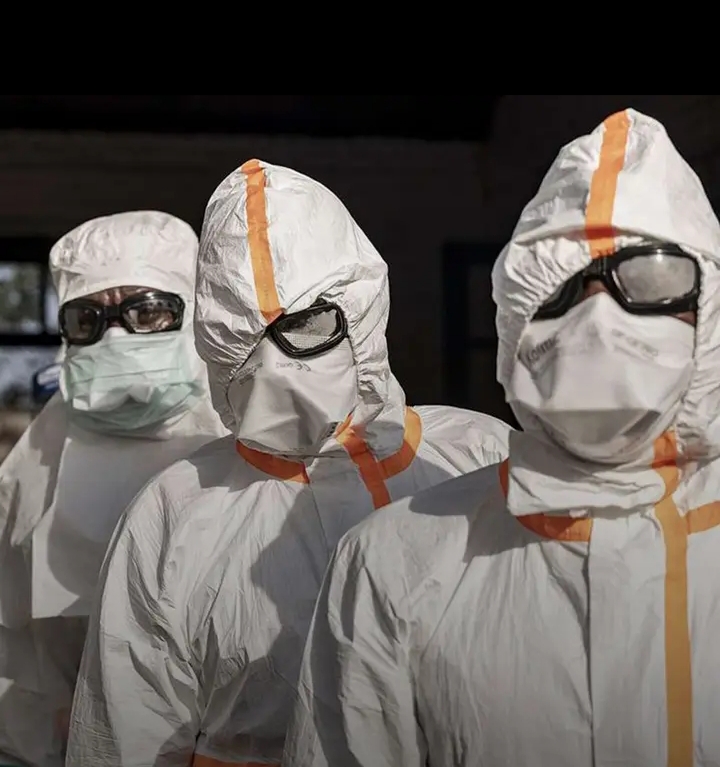
As the Democratic Republic of Congo (DRC) confronts another Ebola outbreak, health experts and humanitarian organizations are urging authorities to prioritize community trust, food support and stronger healthcare systems over heavy-handed security measures.

According to Human Rights Watch (HRW), experience from previous Ebola outbreaks has shown that social support interventions—including food assistance and home-based care—are often more effective in encouraging people to comply with quarantine measures than coercive enforcement.

The warning comes amid a worsening humanitarian crisis in eastern DRC. In November 2025, emergency levels of acute malnutrition were reported in parts of Ituri and North Kivu provinces, with nearly 25 million people affected by food insecurity.

HRW stressed that families are more likely to observe voluntary isolation when their basic needs are met.

“People are more likely to comply with voluntary quarantine if they have adequate food,” the organization said. “When treatment centres cannot provide basic sustenance, family members risk exposure by bringing food themselves.”

The rights group also warned against excessive reliance on security forces during disease outbreaks. HRW’s Crisis and Conflict Director, Ida Sawyer, recalled that the country’s largest Ebola epidemic between 2018 and 2020 was likely prolonged because military involvement undermined public confidence and discouraged cooperation with health workers.

She urged the Congolese government and international partners to rebuild trust by engaging local communities and limiting the role of security personnel in public health operations.

“The government and its partners need to overcome years of conflict, abuse and neglect that have weakened healthcare systems and eroded public trust,” Sawyer said.

What Nigeria Can Learn

Although Nigeria is not currently facing a major Ebola outbreak, the DRC’s experience offers important lessons for Africa’s most populous nation.

Nigeria demonstrated global leadership during its 2014 Ebola outbreak by rapidly identifying cases, tracing contacts and isolating infected individuals, successfully preventing widespread transmission. The country’s swift response earned international recognition as one of the most effective Ebola containment efforts in modern public health history.

However, experts caution that Nigeria remains vulnerable to future outbreaks due to its large population, busy international borders and frequent movement of people across West Africa.

l

Public health specialists say preparedness should extend beyond surveillance and emergency response to include investments in healthcare infrastructure, community engagement and social protection for vulnerable households.

They also emphasize that misinformation and distrust can spread as quickly as infectious diseases. Transparent communication, timely public education and collaboration with community and religious leaders are essential to ensuring that citizens cooperate with health authorities during emergencies.

As outbreaks continue to emerge across Africa, the DRC’s experience reinforces a vital lesson: successful disease control depends not only on medical interventions but also on public trust, food security and resilient healthcare systems.

For Nigeria, maintaining strong surveillance, improving emergency preparedness and investing in people-centred health responses will be crucial to preventing future Ebola outbreaks from becoming national crises.

Cape Verde Capture the World’s Imagination Despite Heroic World Cup Exit

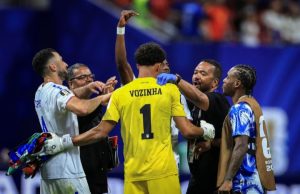
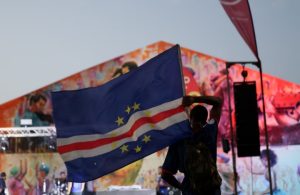
Cape Verde’s unforgettable debut FIFA World Cup campaign came to an emotional end on Friday, but not before the tiny island nation pushed defending champions Argentina to their absolute limits in one of the tournament’s most thrilling knockout matches.

The Blue Sharks bowed out with a dramatic 3-2 defeat after extra time, with an unfortunate own goal deciding a pulsating Round of 32 encounter. Despite the loss, Cape Verde left the competition with their heads held high, earning admiration from football fans across the globe.

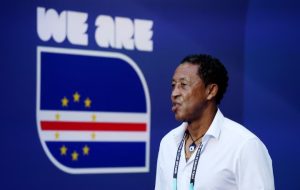
Home to just over 500,000 people across 10 volcanic islands off the coast of West Africa, Cape Verde arrived at the tournament ranked 67th in the world. Few expected them to make an impact, but coach Bubista’s determined squad quickly shattered expectations.

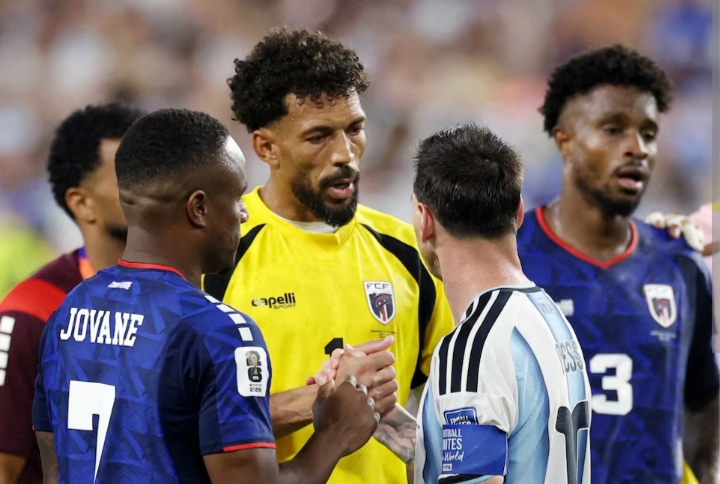
The tournament debutants stunned the football world by holding former world champions Spain and Uruguay to draws in the group stage, securing qualification for the knockout rounds. Against Argentina, they twice fought back from a goal down, refusing to be intimidated by Lionel Messi and his star-studded teammates before eventually falling in extra time.

Their courageous display earned a standing ovation from Argentina supporters inside Miami Stadium, while Argentina coach Lionel Scaloni and captain Lionel Messi praised the resilience and quality shown by the Cape Verdean side.

Veteran goalkeeper Vozinha, who became one of the tournament’s standout personalities at 40 years old, reflected proudly on the team’s historic achievement.

“We fought Argentina on equal terms. We fought for the result. We didn’t manage it, but that’s football,” he said.

“We made a dream come true—not only for ourselves but for every Cape Verdean. We have every reason to be proud.”

Cape Verde’s remarkable journey also strengthened the argument for FIFA’s expanded 48-team World Cup format, proving that emerging football nations can compete with the sport’s traditional powerhouses when given the opportunity.

Much of the team’s success stemmed from a long-term vision implemented by head coach Bubista, who assembled a diverse squad featuring players born across Europe and North America alongside homegrown talents from the islands. United by their Cape Verdean heritage, they developed into a disciplined, resilient and fearless team capable of challenging the world’s elite.

Defender Pico Lopes, born in Dublin and recruited after being contacted through LinkedIn, summed up the wider significance of the team’s achievement.

“Nobody has to ask what Cape Verde is anymore,” he said. “The world now knows where we are and what we represent. I hope young Cape Verdeans everywhere have seen that they, too, can dream of playing on this stage.”

Although their World Cup journey has ended, Cape Verde leave the tournament as one of its biggest inspirations. More than results, they delivered belief, pride and proof that determination, unity and ambition can bridge even the widest gaps in world football.

Army Chief Sounds Alarm: Sahel, Lake Chad Instability Driving Nigeria’s Security Crisis

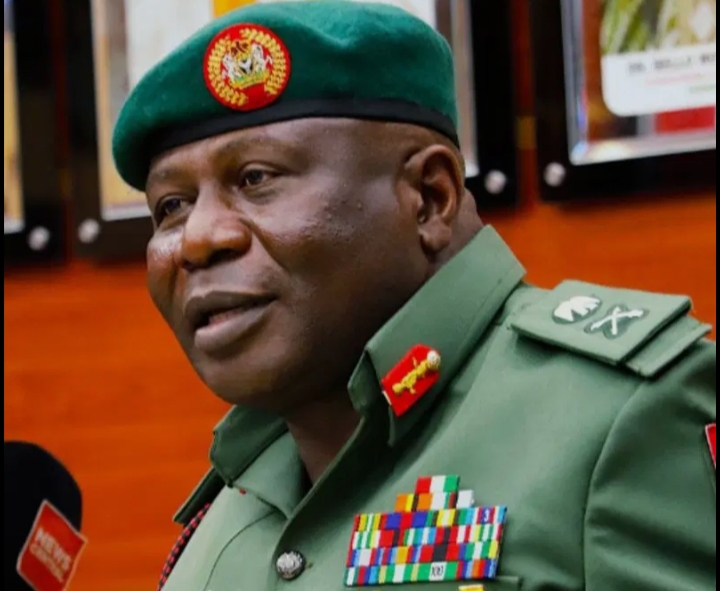
Nigeria’s Chief of Army Staff, Olufemi Oluyede, has identified growing instability across the Lake Chad Basin, the Sahel region and the Gulf of Guinea as major external factors worsening the country’s security challenges.

Speaking during the Nigerian Army Day Celebration 2026 in Port Harcourt, Oluyede said Nigeria’s security environment has become increasingly complex, driven not only by domestic threats but also by conflicts spilling over from neighbouring regions.

According to the Army Chief, the country continues to battle insurgency, terrorism, banditry, cybercrime, transnational organised crime and resource-related conflicts. He noted that the widespread proliferation of small arms, porous borders and the exploitation of ethnic and religious divisions have further complicated efforts to restore peace.

“Beyond Nigeria’s borders, instability within the Lake Chad Basin, the Sahel Region and along the Gulf of Guinea continues to influence and exacerbate the domestic threat environment,” Oluyede stated.

Modern Warfare Demands New Strategies

Oluyede explained that advances in technology—including artificial intelligence, cyber operations and unmanned systems—have fundamentally changed the nature of modern warfare. He stressed that the Nigerian Army must continue adapting its operational strategies to effectively counter these emerging threats.

To strengthen national security, he said the Army has intensified collaboration with other security agencies, enhanced intelligence gathering and expanded community engagement initiatives. These efforts, he noted, are complemented by investments in modern military technology and a balanced approach that combines both kinetic and non-kinetic operations to dismantle criminal networks and restore stability.

Greater Focus on Human Rights and Civilian Protection

The Army Chief also highlighted a shift towards people-centred military operations, emphasizing that civilian protection and respect for human rights remain central to the Army’s mission.

He cited the establishment of Human Rights Desks, expanded civil-military relations programmes and stricter enforcement of rules of engagement designed to minimise civilian casualties and build public confidence in military operations.

Building Capacity for Emerging Threats

Oluyede disclosed that the Nigerian Army is expanding specialised training in counter-insurgency, urban warfare and cyber defence while supporting reconstruction, humanitarian assistance and peace-building initiatives in communities affected by conflict.

He reaffirmed the Army’s commitment to professionalism, innovation and stronger collaboration with regional and international partners, expressing confidence that these partnerships will enhance Nigeria’s capacity to confront evolving security threats.

The remarks underscore the growing recognition that Nigeria’s security challenges are increasingly interconnected with regional instability, making cross-border cooperation and modern military capabilities essential components of the country’s long-term security strategy.

Bourdex Secures Royal Blessings, Rallies Abia North Ahead of 2027, Charges Youths on Skills and Entrepreneurship

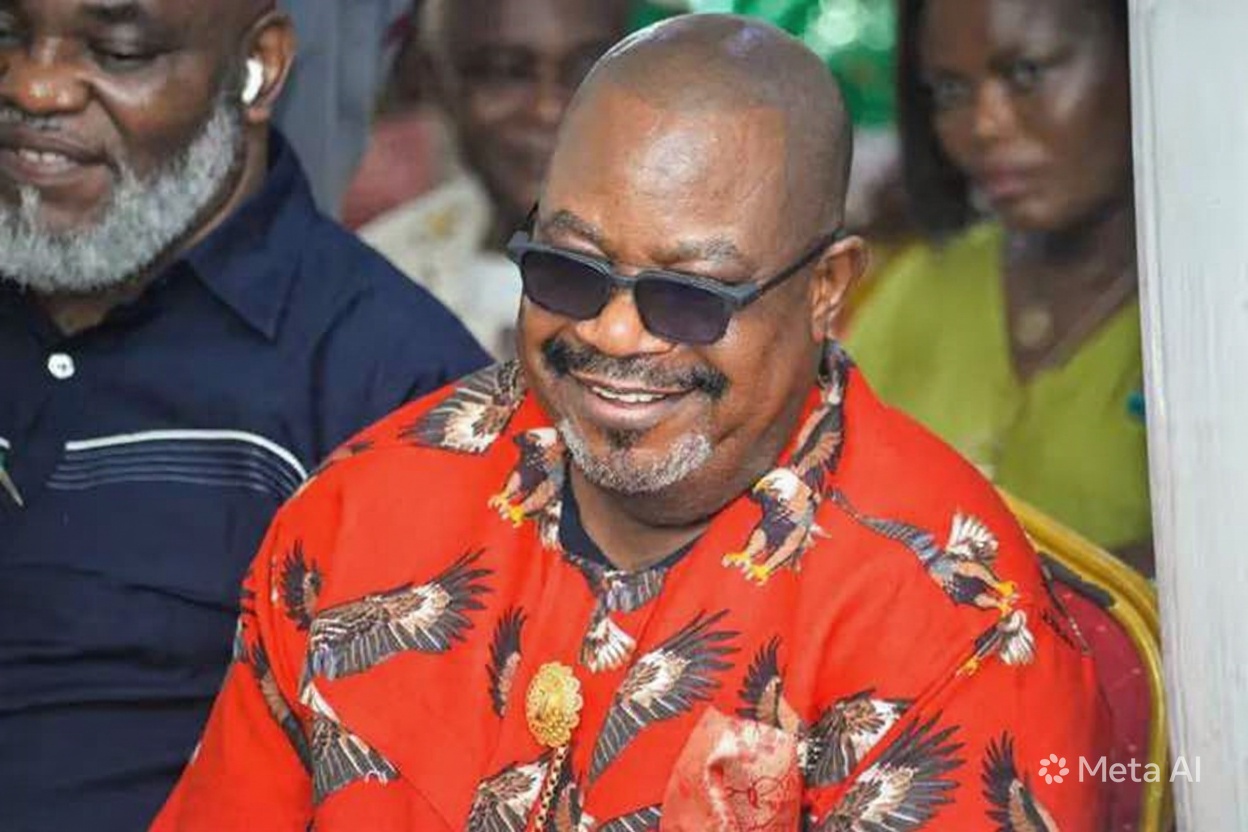
The Labour Party’s Senatorial Candidate for Abia North, Chief Dr. David Ogba Onuoha Bourdex, MFR, OON, has intensified preparations for the 2027 General Elections with a series of high-profile engagements that combined respect for traditional institutions with a renewed commitment to youth empowerment and community development.

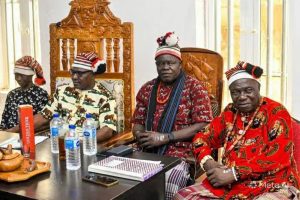
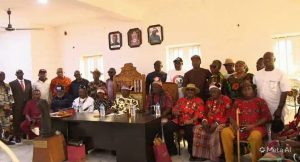
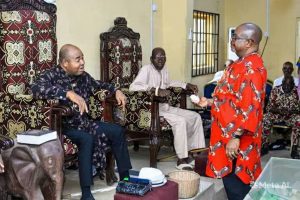
The senatorial hopeful began the day by paying courtesy visits to the Enachioken-in-Council alongside the traditional rulers of the 17 villages of Abiriba before proceeding to the palace of the Udumeze of Ohafia and the 26 Eziogos of Ohafia.

According to Bourdex, the visits were rooted in the long-standing cultural tradition of seeking the blessings, prayers and wise counsel of elders before embarking on significant endeavours. He noted that he appeared before the revered monarchs not only as the Labour Party’s senatorial candidate but, more importantly, as their son seeking fatherly guidance ahead of the 2027 elections.

The traditional rulers reportedly welcomed the delegation warmly and unanimously pledged their goodwill and support to the Labour Party, Governor Alex Otti, Chief Bourdex and other Labour Party candidates across Abia North, particularly those from Ohafia Local Government Area.

Speaking after the meetings, Bourdex described the royal endorsement as both encouraging and inspiring, saying it reinforced his belief that unity between community leaders and elected representatives is essential for sustainable development.

He assured the monarchs that, if elected, he would remain an accessible and accountable representative committed to quality legislation, effective representation and inclusive development across every community in the Abia North Senatorial District.

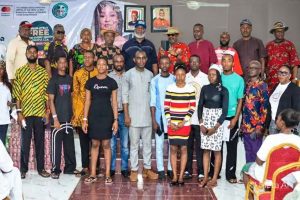
The day’s activities later shifted to the Ohafia Local Government Headquarters, where the Wife of the Mayor hosted a Youth Skills Development and Entrepreneurship Training Programme.

Addressing participants, Bourdex urged young people to prepare for the future by acquiring practical skills, embracing innovation and pursuing entrepreneurship. He stressed that education, creativity and vocational competence have become indispensable tools for wealth creation and economic growth in today’s rapidly changing

world.

He encouraged the participants to make the most of the training opportunity, shun idleness and social vices, and cultivate the values of discipline, diligence and excellence.

Bourdex also commended the organisers of the programme, including the Wife of the Mayor, Jobberman and the Mastercard Foundation, for investing in the empowerment and future of young people through skills development initiatives.

He further called on Abia youths to continue supporting the administration of Governor Alex Otti, describing the governor’s leadership as a demonstration that purposeful governance can restore public confidence and drive meaningful development.

Expressing gratitude for the support and encouragement he continues to receive across the senatorial district, Bourdex reaffirmed his commitment to working with stakeholders to build a stronger, safer and more prosperous Abia North.

He also expressed confidence that the Labour Party would consolidate its growing support base and perform strongly in the 2027 General Elections.

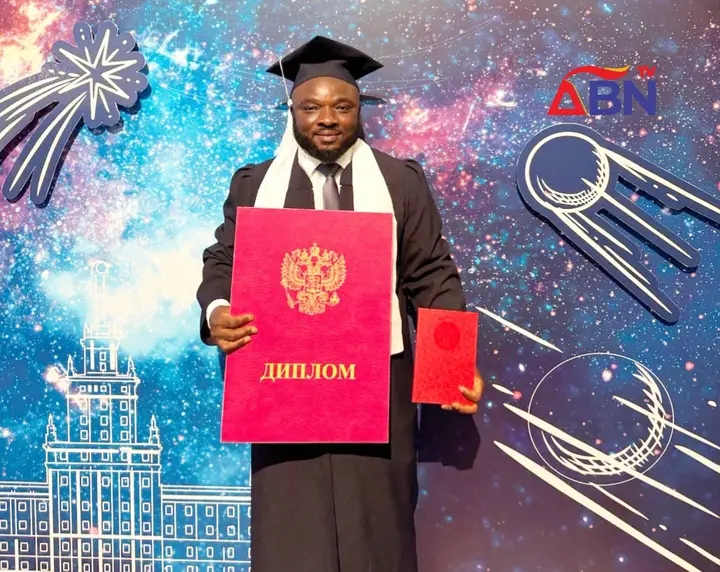
Abia Engineer Emerges Best Graduating Student at Russian University with Perfect 5.0 CGPA

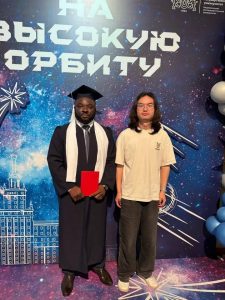
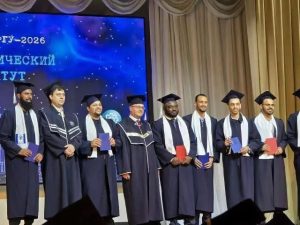
A 33-year-old Abia State-born engineer, Moses Maduka, has achieved an extraordinary academic milestone after graduating as the overall best graduating student from South Ural National Research University in Russia with a perfect 5.0 cumulative grade point average (CGPA).

The outstanding achievement earned Maduka the prestigious Red Diploma, the highest academic honour awarded in the Russian higher education system to graduates who demonstrate exceptional academic excellence throughout their studies.

Maduka, an indigene of Umundara Ahuwa Oboro in Ikwuano Local Government Area of Abia State, completed his Master’s degree in Mechatronics and Robotics with a specialization in Mechatronics, distinguishing himself among his peers through exceptional academic performance.

His latest accomplishment builds on an already impressive academic record. Before commencing his master’s programme, he had graduated with a First Class Bachelor’s degree, recording a remarkable 4.5 GPA.

According to his official academic transcript, Maduka excelled in several advanced engineering and automation courses, including Supercomputer Modeling of Mechatronic Systems, SCADA Systems in Automated Production, and Hydraulic Elements in Mechatronics, earning excellent grades across virtually all his coursework.

One of the highlights of his academic journey was his master’s thesis titled, “Development of a Robotic System for Emotion Recognition from the Face.” The research, which explores the application of artificial intelligence and robotics in facial emotion recognition, received commendation from the university’s State Examination Commission and reflects his growing expertise in cutting-edge technologies.

Maduka’s achievement has been widely celebrated as a testament to academic excellence, perseverance, and the immense potential of Nigerian students on the global stage. His success also brings honour to Abia State, particularly the people of Ikwuano, while serving as an inspiration to young engineers and students aspiring to make a global impact through innovation and education.

As advancements in artificial intelligence, robotics, and automation continue to shape the future, Maduka’s accomplishment positions him among the emerging generation of African engineers poised to contribute meaningfully to technological development worldwide.

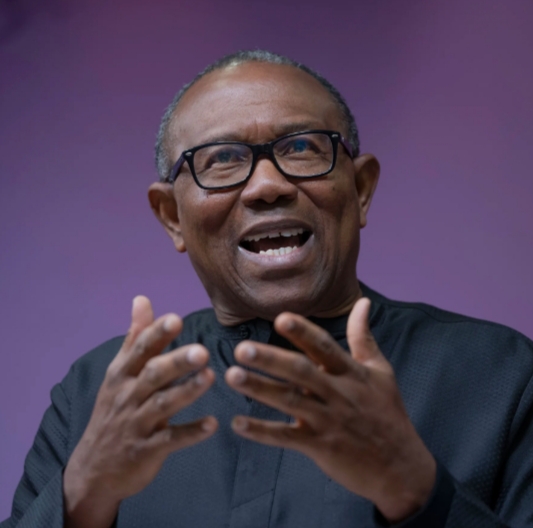
Peter Obi Alleges ₦8.83tn ‘Hidden Spending’ Under Tinubu, Cites IMF Report, Renews Resignation Call

The presidential candidate of the Nigeria Democratic Congress (NDC), Peter Obi, has accused the administration of Bola Tinubu of presiding over what he described as “grand corruption” following claims that about ₦8.83 trillion in 2025 government expenditure was not captured in the national budget.

In a statement posted on his X (formerly Twitter) account on Sunday, Obi said findings contained in the International Monetary Fund consultation report indicated that the expenditure was made outside the approved 2025 budget, raising concerns over transparency and legislative oversight.

According to Obi, the alleged off-budget spending was neither appropriated by the National Assembly nor subjected to normal administrative scrutiny.

“The recent report from the IMF consultation further raises concerns about the scale of grand corruption under the Tinubu government. The IMF now reveals that about ₦8.83 trillion in expenditure undertaken in 2025 is not reflected in the budget. This expenditure is not budgeted and is therefore not under legislative oversight or administrative scrutiny. This is horrible,” he stated.

The former Anambra State governor argued that the amount represents roughly two per cent of Nigeria’s Gross Domestic Product (GDP) and more than 35 per cent of the country’s ₦23.96 trillion capital expenditure budget for 2025.

Obi further claimed that the figure exceeds the combined budgetary allocations to the education and health sectors, stressing that such funds, if properly managed, could have significantly improved infrastructure, healthcare, education, job creation and economic growth.

He maintained that the development reflects a pattern of poor financial management by the current administration and warned that continued disregard for established public finance procedures could worsen poverty and undermine confidence in government institutions.

Describing the administration as “grossly corrupt, incompetent and insensitive,” Obi renewed his call for President Tinubu to resign, insisting that the government has failed to deliver on its campaign promises and adequately address the country’s economic and security challenges.

As of the time of filing this report, the Presidency and the Federal Government had not issued any official response to Obi’s allegations.

Abia Hosts Historic Niger Delta Students’ Gathering as Gov Otti’s Aide Unveils 3Ts Leadership Blueprint at NIDSUG Inauguration

Abia State played host to students, youth leaders and stakeholders from across Nigeria’s nine Niger Delta states as an Abia-born student leader, Comrade Wisdom Adighibe, was inaugurated as the Global President of the Niger Delta Students Union Government (NIDSUG).

The colourful ceremony, which attracted a large gathering of delegates from the region, marked the swearing-in of the newly elected NIDSUG Global Executive Council and underscored the growing role of student leadership in regional development.

Speaking at the event, the Senior Special Assistant to the Abia State Governor on Students’ Affairs, Chinedu Nwosu, delivered both a goodwill message and keynote address on the theme, “Igniting and Raising Visionary Leadership: Transforming the Future of the Niger Delta.”

Nwosu challenged the new leadership and members of the union to embrace what he described as the “3Ts Framework of Leadership”—Time, Treasure and Talent—as the foundation for effective leadership and sustainable development.

According to him, visionary leaders must be intentional with their time, accountable in managing resources, and committed to discovering and deploying their talents in service to society.

He stressed that these values are essential for building responsible leaders capable of transforming the Niger Delta and Nigeria at large.

The Governor’s aide also expressed concern over the rising prevalence of drug and substance abuse among young people, warning that the menace poses a serious threat to leadership development and national progress.

“The effective management of these 3Ts can only be sustained when we put the prevalence of drug and substance abuse in check. A generation that is addicted cannot lead, and a future that is intoxicated cannot be transformed,” he said.

Nwosu congratulated the newly inaugurated Global President, Comrade Wisdom Adighibe, and the entire executive team, assuring them of the support of the Abia State Government under Governor Alex Otti as they work to foster unity and raise a new generation of visionary leaders across the Niger Delta.

The inauguration further highlighted Abia State’s growing reputation as a destination for youth engagement and leadership development, bringing together student representatives and stakeholders from the nine Niger Delta states in a celebration of unity, service and purposeful leadership.

Atiku Challenges Tinubu Over IMF Report, Demands Answers on ‘Missing’ 2% of Nigeria’s GDP

Former Vice President Atiku Abubakar has called for a comprehensive investigation following a recent International Monetary Fund (IMF) disclosure that Nigeria excluded public expenditure equivalent to about two per cent of its Gross Domestic Product (GDP) from recent budget documents.

In a statement issued on Saturday through his Senior Special Assistant on Public Communication, Phrank Shaibu, Atiku described the IMF’s findings as a serious constitutional and governance issue, alleging that they point to a pattern of institutional corruption under the administration of President Bola Ahmed Tinubu.

According to Atiku, Nigeria’s Constitution requires that all withdrawals from the Consolidated Revenue Fund receive approval through the National Assembly’s appropriation process. He argued that any expenditure made outside that framework raises critical questions about accountability and transparency.

“If expenditure amounting to two per cent of Nigeria’s GDP was omitted from the budget process, Nigerians deserve to know who authorised it, who spent it, and who benefited from it,” he stated.

The former Vice President also linked the IMF’s findings to the recent controversy surrounding the alleged Presidential Foreign Intervention Promotion Council (PFIPC), describing both developments as evidence of what he called a troubling pattern in the management of public finances.

He questioned reports suggesting that while the Federal Ministry of Health received only a fraction of its approved funding for critical healthcare programmes, billions of naira were allegedly allocated to the controversial PFIPC, an agency the Presidency has reportedly denied officially establishing.

Atiku further insisted that government agencies could not have recognised or processed official activities involving such a body without authorisation from the highest levels of government. He therefore called on the Secretary to the Government of the Federation, Senator George Akume, to publicly clarify how the agency allegedly gained official recognition.

The former presidential candidate also referred to allegations made by Prince Adeniyi Adeyemi, who reportedly claimed that disagreements arose after he refused to approve an alleged 48 per cent kickback request connected to a proposed ₦27.3 billion take-off grant for the council.

Describing the allegation as grave, Atiku urged the Federal Government to institute an independent and transparent investigation.

“If the allegations are false, the government should clear its name through an open investigation. If they are true, every official involved should face the full weight of the law,” he said.

The Waziri of Adamawa further argued that the controversy comes at a time when Nigerians are grappling with economic hardship driven by subsidy removal, rising inflation, increasing electricity tariffs, higher taxes, and continued government borrowing.

He maintained that citizens deserve transparency regarding the management of public resources, warning that confidence in government cannot be sustained where significant public expenditure remains outside official budget records.

Calling on oversight institutions—including the National Assembly, the Auditor-General of the Federation, the Economic and Financial Crimes Commission (EFCC), and the Independent Corrupt Practices and Other Related Offences Commission (ICPC)—Atiku urged them to investigate the IMF’s findings and establish the facts.

He concluded by saying that the issue goes beyond partisan politics, insisting that it concerns constitutional governance, fiscal accountability, and the integrity of Nigeria’s democratic institutions.

As of the time of filing this report, the Federal Government had not issued a formal response to Atiku’s latest remarks regarding the IMF disclosure.