All posts by Our Reporter

Russia Deploys Kamikaze FPV Drones in Mali Following Major Battlefield Losses

Russian-backed forces fighting alongside Mali’s military junta have reportedly begun deploying kamikaze-style first-person-view (FPV) drones against rebel positions in northern Mali, marking a significant shift in their battlefield strategy.

The move comes after a string of military setbacks suffered by the Russian-controlled Africa Corps and Malian government forces in clashes with the Tuareg-led Azawad Liberation Front (FLA) and the jihadist group Jama’at Nusrat al-Islam wal-Muslimin (JNIM).

One of the most significant defeats occurred in April when government forces lost control of Kidal, a strategic northern city they had held for more than two years. Rebel drone attacks on military positions in Anéfis and Aguelhok reportedly forced both Malian troops and Russian fighters to abandon their bases before the city fell.

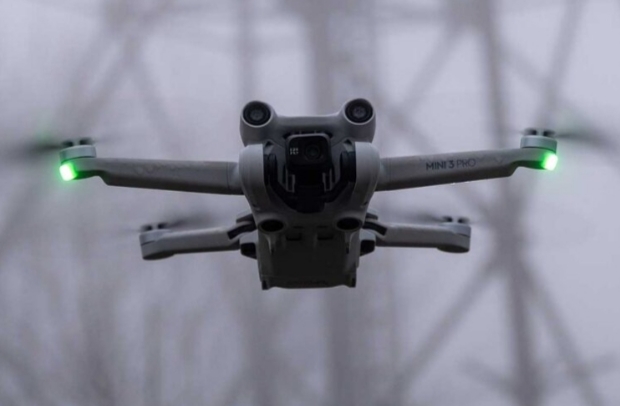
FPV drones have emerged as one of the most effective low-cost weapons in modern conflicts. Operated through wireless headsets that provide pilots with a live view from the drone’s camera, the systems allow operators to identify and strike targets with remarkable speed and precision.

When fitted with explosive payloads, these commercially available drones become highly destructive weapons capable of targeting troops, vehicles, and military equipment at a fraction of the cost of conventional weapons.

Ironically, the same technology has been used extensively by the FLA against Russian and Malian forces. Rebel fighters have repeatedly deployed FPV drones to harass retreating troops, and in 2025 reportedly used one to bring down a government helicopter.

The rebels have also adopted fiber-optic-controlled FPV drones, a technology first seen on the battlefields of Ukraine. Unlike conventional drones that rely on radio signals, fiber-optic drones are resistant to electronic jamming, making them even more difficult to counter.

Beyond their battlefield effectiveness, FPV drones have become powerful propaganda tools. Videos recorded during attacks are frequently shared online by insurgent groups to demonstrate military successes, undermine government forces, and attract new recruits.

Russia has previously relied on larger unmanned systems, including the Garpiya-A1 drone, to strike insurgent positions. Analysts believe the adoption of FPV drones reflects growing pressure on the Africa Corps to improve its battlefield performance as insecurity continues to worsen across Mali.

Russian military involvement in Mali began in 2021 through the Wagner Group before transitioning to the state-controlled Africa Corps in 2025. Since then, the force has faced widespread criticism over allegations of human rights abuses, including the 2023 Moura massacre, during which hundreds of civilians were reportedly killed during operations targeting suspected insurgents.

Security analysts argue that such operations have failed to weaken insurgent movements and may instead have strengthened them by driving more recruits into their ranks.

Despite reports that Mali’s military government pays the Africa Corps an estimated $10 million each month, the country’s security crisis continues to deteriorate, with insurgent groups expanding their influence across large parts of the north.

Experts also suggest Russia’s difficulties in Mali could prompt other African governments to reassess Moscow as a long-term security partner, particularly as armed groups continue to gain ground despite years of military operations.
Gunmen Kill Retired Army Officer, Abduct Woman in Midnight Raid Along Nasarawa–FCT Border

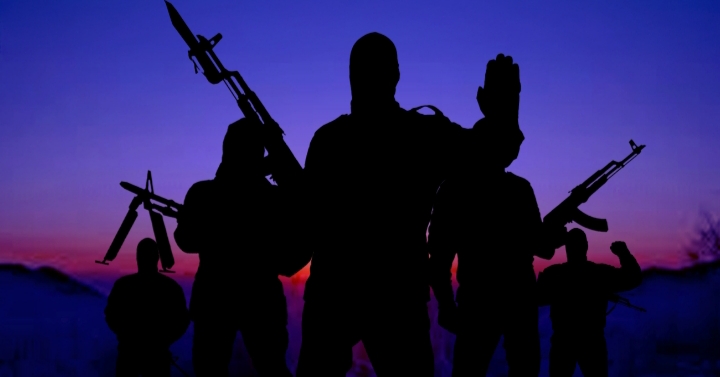
Residents of a community along the Nasarawa–Federal Capital Territory (FCT) border were thrown into panic after suspected gunmen launched a deadly midnight attack, killing a retired Nigerian Army officer and abducting a woman.

The incident reportedly occurred at about 12:45 a.m. on Friday at Plot 038, PGC Community, near Jikwoyi, along the Nasarawa–FCT boundary.

According to security reports, the armed assailants stormed the residence of 46-year-old Silas Orite and forcefully abducted his wife, Bukola Oluwatoyin Silas, 40, before fleeing with her to an unknown destination.

In an effort to rescue the victim and confront the attackers, the Community Chief Security Officer, Master Warrant Officer Reuben Yelwa, a 61-year-old retired Nigerian Army officer, responded to the distress call. He was, however, shot and killed by the gunmen during the operation.

Police officers later arrived at the scene, where they documented evidence and launched an investigation into the attack.

Security analyst Zagazola Makama reported that security agencies have intensified efforts to rescue the abducted woman and apprehend those behind the attack.

According to the report, security operatives have also strengthened patrols and area domination operations across the community and surrounding locations to prevent further criminal activities.

The latest incident has heightened concerns over persistent insecurity in communities located along the Nasarawa–FCT corridor, where cases of kidnapping and violent attacks have continued to pose a serious threat to residents.

Authorities have urged members of the public to remain vigilant and provide useful information that could assist security agencies in rescuing the victim and bringing the perpetrators to justice.

Etiokwe Rolls Out Free Transport Relief as Okada Ban Reshapes Mobility in Ohafia South 

Residents of Ohafia South State Constituency are receiving temporary relief following the recent restriction on commercial motorcycle operations, as the Honourable Member representing the area in the Abia State House of Assembly, Hon. Kalu Mba Nwoke (popularly known as Etiokwe), has introduced free transportation services to ease the movement challenges facing commuters.

In a swift intervention aimed at cushioning the impact of the restriction across Ohafia metropolitan communities, the lawmaker announced the deployment of free shuttle vehicles to convey residents to their various destinations. The initiative is designed to bridge the mobility gap created by the policy change and ensure that daily economic and social activities continue with minimal disruption.

Hon. Etiokwe acknowledged the concerns raised by affected transport operators, particularly commercial motorcyclists, but emphasized that the government’s decision is anchored on broader considerations of public safety and urban order. He appealed to residents for calm and understanding, assuring them that the current hardship is temporary and will be addressed through ongoing support measures.

According to his Media Aide, Mr. Nnanna Echeme, the intervention reflects a commitment to responsive leadership and people-centered governance, particularly in moments of sudden policy adjustment that directly affect grassroots livelihoods.

The initiative has already begun easing pressure in affected routes, with residents expressing cautious optimism about the palliative transport arrangement.

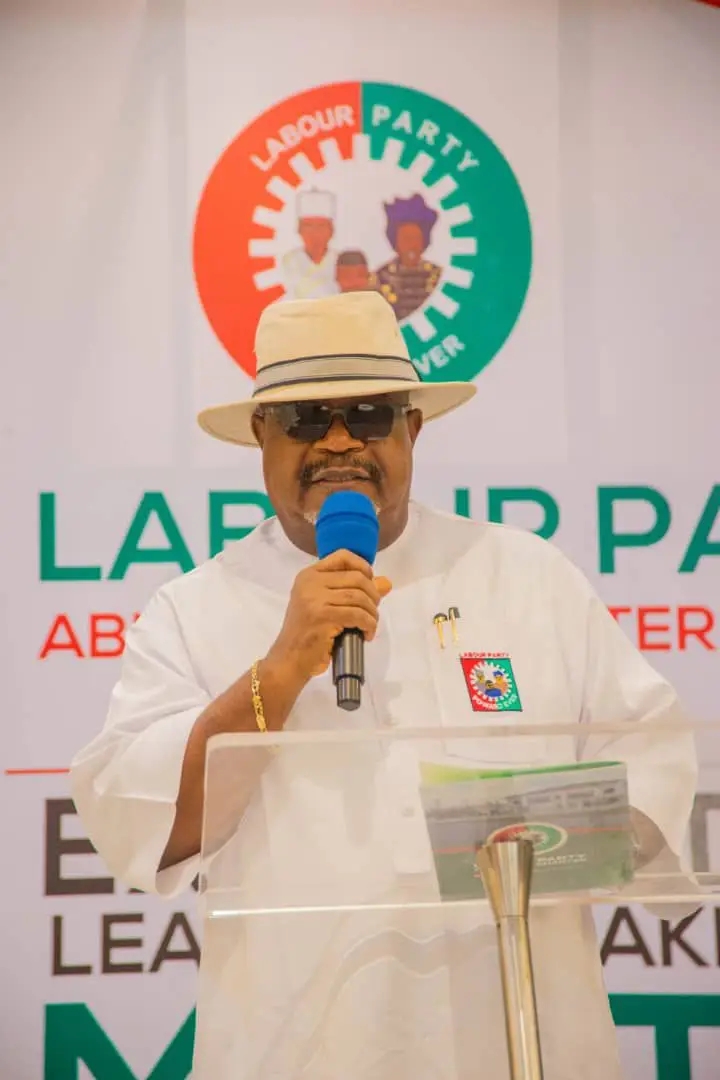
THE BOURDEX YOU DO NOT KNOW: THE JOURNEY FROM ENTERPRISE TO PUBLIC SERVICE BY HON. PRINCE NMAJU U. NMAJU 

Many people know Chief Dr. David Ogba Onuoha Bourdex, MFR, OON, as a successful entrepreneur, philanthropist, and community leader. Yet beyond the public image lies a remarkable story of discipline, sacrifice, vision, and reluctant leadership—a story many in Abia North may not fully know.

Long before politics became part of his life’s journey, Bourdex had already achieved what many spend a lifetime pursuing. Through years of hard work, strategic foresight, resilience, and unwavering commitment to excellence, he built the Bourdex Group, including Bourdex Telecom, widely recognized as one of the pioneering private digital broadband companies in Eastern Nigeria and among the early indigenous players in the country’s telecommunications landscape. His success brought him financial comfort and influence, making elective politics neither a necessity nor a personal ambition.

For many years, rather than seeking office himself, he supported others who desired to serve. Friends, political associates, and admirers repeatedly encouraged him to contest for public office, believing his experience in building institutions could benefit government. Yet he consistently declined, preferring to contribute quietly from behind the scenes.

What then changed?

Leadership is often born not from ambition but from conviction. As John Quincy Adams observed, “If your actions inspire others to dream more, learn more, do more and become more, you are a leader.” There comes a time when experience compels responsibility.

Like many citizens, Bourdex became increasingly concerned by what he perceived as the widening gap between the expectations of the people and the quality of representation they received, particularly in the Red Chamber. He believed that leadership should produce measurable development, inspire hope, and restore public confidence. In his view, representation should be defined not merely by occupying a seat but by creating tangible value for constituents.

For him, entering politics was not the pursuit of power; it was the acceptance of responsibility. It was perhaps one of the most difficult decisions of his life. He resisted the call for years, weighing the personal cost, until he concluded that his experience, competence, and commitment could make a meaningful difference for the people of Abia North.

Scripture reminds us in Zechariah 4:10: “Do not despise these small beginnings, for the Lord rejoices to see the work begin.” That principle became evident when Governor Dr. Alex Chioma Otti invited him to serve as the Mayor of Ohafia Local Government Area.

To some observers, the appointment appeared too modest for someone of his accomplishments. Some friends and critics reportedly urged him to decline, arguing that the office did not reflect his stature. But Bourdex chose humility over pride. He accepted the assignment, believing that no responsibility is insignificant when it offers an opportunity to serve people.

His decision echoed the timeless words of Jesus Christ in Matthew 20:26–27: “Whoever wants to become great among you must be your servant.” Genuine leadership begins with service.

Supporters point to his approximately eleven months as Mayor as evidence of this philosophy in action, citing initiatives and administrative reforms that, in their view, left a lasting impression on Ohafia Local Government Area. They also note that his performance earned commendation from Governor Alex Otti, reinforcing the belief that effective leadership is measured by impact rather than title.

Today, as Abia North approaches the January 16, 2027 Senatorial election, Bourdex presents himself not as a career politician but as a builder seeking to apply decades of experience in enterprise, administration, and community development to legislative service.

His journey suggests that leadership is not always about those who seek power early; sometimes it is about those who answer the call after succeeding elsewhere, bringing with them proven competence, tested character, and a servant’s heart.

Perhaps that is the Bourdex many people do not yet know—a man who built an empire before seeking office, who chose service over status, and who now believes that the highest investment he can make is not in business, but in the future of the people of Abia North.

As leadership expert Warren Bennis famously said, “Leadership is the capacity to translate vision into reality.” The ultimate judgment, however, rests with the people of Abia North, who will decide whether Bourdex’s record, vision, and philosophy of service merit the opportunity to represent them in the Red Chamber.

Hon. Prince Nmaju U. Nmaju is the Media Aide to Chief Dr. David Ogba Onuoha Bourdex, MFR, OON

Burna Boy Responds to Critics After ₦9 Billion Bugatti Chiron Purchase

Grammy-winning Nigerian music star Damini Ogulu, popularly known as Burna Boy, has responded to the wave of criticism that followed reports of his acquisition of a custom-made 1-of-1 Venuum Widebody Bugatti Chiron, reportedly valued at about ₦9 billion.

The luxury purchase sparked widespread reactions on social media, with many Nigerians questioning the singer’s decision to spend such a huge amount on an exotic car. Some critics argued that the money could have been invested in businesses or charitable causes, while others pointed out that Nigeria’s road infrastructure is not well suited for high-performance supercars.

Burna Boy, however, appeared unfazed by the criticism.

While performing at the Afronation Festival in Portugal on Friday night, the Afrobeats superstar addressed the controversy in a freestyle, taking a swipe at those questioning his latest acquisition.

«”I buy Bugatti, dem ask which road I go drive am? No be today we dey do road like Julius Berger.”»

The crowd cheered as the singer delivered the line, making it clear he was dismissing the criticism with humour and confidence.

The latest controversy comes months after Burna Boy was at the centre of another widely discussed social media drama involving socialite Sophia Egbueje.

Sophia had alleged that the singer promised to buy her a Lamborghini in exchange for intimacy but failed to fulfil the promise. Burna Boy neither confirmed nor denied the allegation. Instead, he appeared to reference the incident in his song No Do, where he mocked the controversy and suggested that the public reaction was unnecessary.

Sophia later announced that she had purchased a Lamborghini herself, bringing another twist to the highly publicised saga.

Despite the ongoing criticism surrounding his lavish lifestyle, Burna Boy has continued to project an image of confidence and success, showing little concern for public opinion. His latest freestyle suggests the Grammy-winning artist remains focused on enjoying the rewards of his career while brushing off critics with his trademark swagger.

Messi Laughs Off Cape Verde’s Physical Approach as Argentina Reach World Cup Last 16

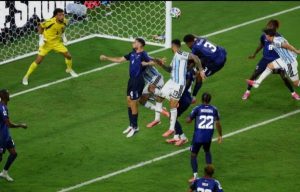
Argentina captain Lionel Messi was in high spirits after leading his country to a dramatic 3-2 victory over Cape Verde, joking about the tough treatment he received from his opponents during the FIFA World Cup clash.

The fiercely contested encounter saw Argentina battle past a determined Cape Verde side to book a place in the Round of 16. Despite the intensity on the pitch, the atmosphere turned friendly after the final whistle as several Cape Verde players approached Messi for his jersey and photographs.

The eight-time Ballon d’Or winner smiled as he reflected on the contrast between the physical battle during the game and the admiration shown afterward.

“They asked for my jersey and everything. On the field, they kick the crap out of me,” Messi joked in comments reported by TyC Sports.

Messi also praised Argentina’s effectiveness from set-pieces, noting that dead-ball situations proved decisive in securing the important victory.

“This team has shown for a long time that it knows how to compete and will keep fighting until the end,” he said. “Today, we saw how important set-pieces are. We hadn’t been converting them well recently, but in games like this they make a huge difference. We have players who are strong in the air, and we’ve been working hard on both attacking and defending set-pieces.”

Despite advancing to the knockout stage, Messi admitted Argentina did not perform at their best. He explained that his side unexpectedly lost control of the match after taking the lead instead of building momentum.

“We knew it was going to be a very difficult game,” Messi said. “There’s a reason this team hadn’t lost to Spain and Uruguay. We did the hardest part by scoring first, but instead of finding our rhythm, the opposite happened. We lost possession, dropped too deep, and couldn’t press the way we wanted.”

Cape Verde earned widespread praise for their spirited display and pushed the defending champions until the final whistle, but Argentina’s experience and clinical finishing ultimately proved enough to secure qualification for the Round of 16.

With the knockout stage now in sight, Messi and his teammates will be aiming to improve their overall performance as they continue their quest to retain the World Cup title.

U.S. Transfers 48 Armored Vehicles to Tunisia as Joint Security Push Targets Terror Networks and Regional Security

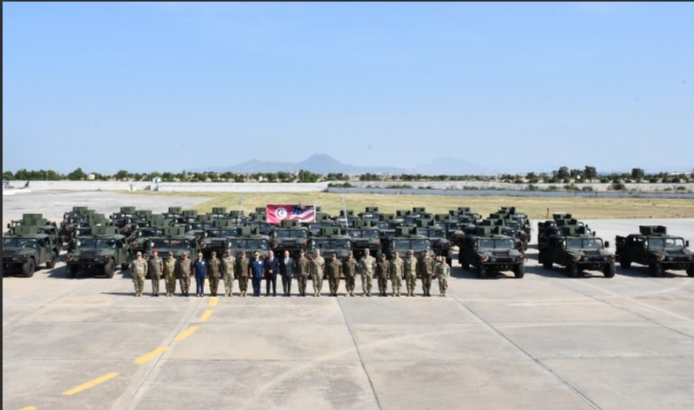
The United States has deepened its security partnership with Tunisia with the transfer of 48 Armored High Mobility Multipurpose Wheeled Vehicles (HMMWVs) to the Tunisian Army, in a move aimed at strengthening counterterrorism operations and regional stability in North Africa.

U.S. Ambassador to Tunisia, Bill Bazzi, described the development as a milestone in the long-standing diplomatic relationship between both countries, noting that security cooperation remains a central pillar of their 229-year partnership.

According to Bazzi, the delivery of the armored vehicles demonstrates the strength of bilateral relations and enhances Tunisia’s capacity to respond to emerging security threats while supporting humanitarian and peacekeeping operations.

He added that improving Tunisia’s armored mobility will further boost joint efforts in maintaining regional stability, counterterrorism collaboration, and broader security coordination.

The military assistance comes at a time when Tunisia continues to face intermittent threats from extremist groups, despite experiencing fewer large-scale terror attacks compared to previous years.

Security concerns persist particularly in border and mountainous regions, where Islamic State-linked elements and affiliated cells remain active.

In February, the Islamic State claimed responsibility for an attack in the central Mughayla Mountains area near Jebel Meghila, where four Tunisian soldiers and a shepherd were killed during a military sweep operation. Tunisia’s defence ministry later confirmed that the troops died when a custom-made landmine exploded during a search mission targeting suspected terrorist elements.

In another major incident in May 2023, a gunman opened fire on the island of Djerba, killing two worshippers and three security personnel at Tunisia’s oldest synagogue, raising renewed concerns about lone-wolf attacks and religiously motivated violence.

More recently, Tunisian security forces have intensified counterterrorism operations across the country. Earlier this year, authorities reportedly killed the leader of an Islamic State offshoot group, Jund al-Khilafa, during a raid near a weekly market. In a separate operation weeks later, a four-member terrorist cell was dismantled near the Algerian border, with all members killed during the confrontation.

Security agencies have also expanded their focus beyond terrorism. On June 18, Tunisian authorities announced the dismantling of two international criminal networks involved in drug trafficking, money laundering, extortion, and contract killings. The operation resulted in 25 arrests and the seizure of cash, drugs, luxury vehicles, motorcycles, and boats.

According to official reports, Tunisia dismantled 62 terrorist cells and arrested over 2,000 individuals linked to extremist activities in 2025 alone. Authorities also recorded more than 2,000 terrorism-related incidents in the previous year, underscoring the persistent security challenges facing the country.

The latest U.S. military support is expected to bolster Tunisia’s operational capacity, particularly in counterinsurgency missions and border security, as both countries continue to strengthen cooperation in combating terrorism and transnational crime across North Africa.

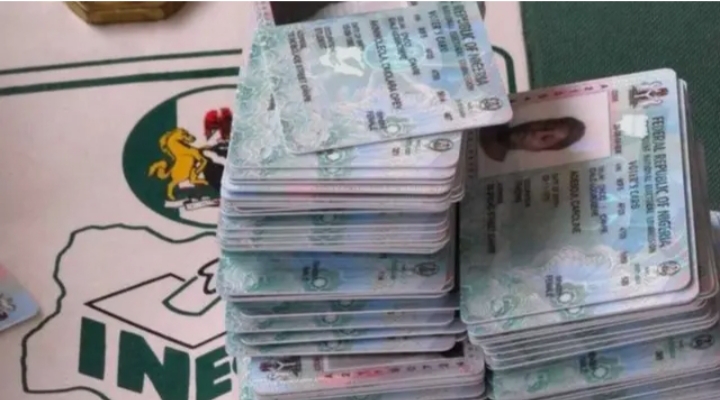
INEC Extends Voter Registration by Two Weeks, Introduces Online Self-Service Registration Ahead of 2027 Elections

The Independent National Electoral Commission (INEC) has extended the ongoing nationwide Continuous Voter Registration (CVR) exercise by an additional two weeks, giving more eligible Nigerians the opportunity to register ahead of the 2027 general elections.

The electoral umpire also announced the introduction of an online self-service voter registration platform, a major technological innovation aimed at making the registration process more convenient and accessible for first-time voters.

The development was disclosed in a statement issued on Friday by the National Commissioner and Chairman of the Information and Voter Education Committee, Mohammed Kudu Haruna.

According to INEC, the decision to extend the registration exercise followed a comprehensive review of the exercise and consultations with its state offices, political parties, civil society organisations, and other stakeholders.

The Continuous Voter Registration exercise, which began on August 18, 2025, was originally scheduled to end on July 10, 2026. However, the commission has now shifted the deadline to Friday, July 24, 2026, to ensure that more eligible citizens are captured in the National Register of Voters.

INEC described the extension as part of its commitment to providing every qualified Nigerian with a fair opportunity to register and participate in future elections.

In addition to the extension, the commission unveiled a new online self-service registration system that allows eligible first-time voters to initiate and complete their voter registration process—including biometric capture—using their personal devices without physically visiting an INEC office.

The commission explained that the digital platform is equipped with advanced identity verification, biometric validation, and backend security measures designed to safeguard the integrity and credibility of the National Register of Voters.

INEC added that a detailed step-by-step guide will be available on the portal to help users navigate the registration process with ease.

The electoral body encouraged all eligible Nigerians who have not yet registered to take advantage of both the extended registration period and the newly introduced online option.

According to the commission, the initiative reflects its continued commitment to building a more credible, inclusive, and technology-driven electoral process while improving citizens’ access to voter registration services ahead of the 2027 polls.

With the extension now in place, prospective voters have a final opportunity to secure their voter registration before preparations for the next general election enter a more advanced stage.

Fresh Documents Contradict Presidency’s PFIPC Denial as FG Moves to Prosecute Alleged Fake Agency Boss

Fresh revelations have intensified the controversy surrounding the alleged Presidential Foreign Investment Promotion Council (PFIPC), with official documents indicating that the Office of the Secretary to the Government of the Federation (OSGF) processed correspondence submitted on behalf of the council months before the Presidency publicly declared it a fictitious agency.

The documents, obtained by Saturday PUNCH, show that the SGF’s office received, acknowledged, and acted on a request submitted by Prince Adeniyi Adeyemi, who presented himself as the Director-General of the PFIPC.

According to the records, Adeyemi wrote to the SGF on November 7, 2024, requesting office accommodation from recovered Federal Government properties managed by the Economic and Financial Crimes Commission (EFCC). Registry stamps indicate that the correspondence was received by the SGF’s office on November 12, 2024.

Nine days later, on November 21, 2024, the Office of the SGF, through the Permanent Secretary, General Services Office, Nnamdi Maurice Mbaeri, formally forwarded the request to the EFCC for what it described as “further necessary action.”

The forwarding letter reportedly listed the PFIPC among three government institutions seeking office accommodation from recovered government properties, a development that has raised fresh questions over the Presidency’s insistence that the agency never existed.

In his application, Adeyemi described the PFIPC as a Federal Government investment promotion agency responsible for attracting foreign direct investment, coordinating investment activities across Ministries, Departments and Agencies (MDAs), and promoting Nigeria as a preferred destination for international investors.

He further claimed that the council served as a one-stop investment centre, facilitating collaboration between the public and private sectors while providing support for both prospective and existing investors.

Criminal Charges Against Adeyemi

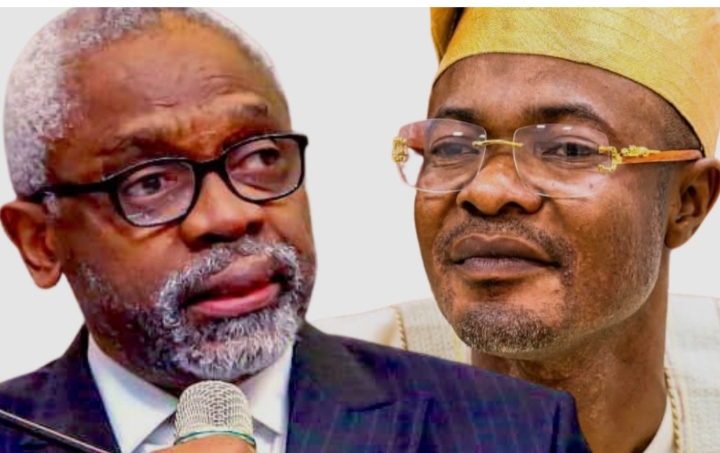
The emergence of the documents comes as the Federal Government continues the criminal prosecution of Adeyemi over allegations that he operated a fictitious government agency, forged an appointment letter purportedly signed by the Chief of Staff to the President, Rt. Hon. Femi Gbajabiamila, and falsely presented himself as Director-General of the PFIPC.

According to court documents filed before the Federal High Court in Abuja, Adeyemi and two other suspects currently at large are facing an eight-count charge bordering on conspiracy, forgery, impersonation, and related offences allegedly committed between 2024 and 2025.

Prosecutors also alleged that Adeyemi operated 34 bank accounts, including accounts reportedly opened in the names of government agencies, while using the PFIPC platform to conduct official engagements with diplomats and public institutions.

The Federal Government has listed Chief of Staff Femi Gbajabiamila and ten other witnesses, including officials from the Office of the Accountant-General of the Federation, to testify during the trial.

Presidency Maintains PFIPC Was Fictitious

Despite the newly surfaced correspondence, the Presidency has maintained that the PFIPC was never a legally established government agency.

Presidential spokesman Bayo Onanuga recently stated that Adeyemi allegedly forged official documents, created a non-existent agency, and used fake presidential appointments to deceive government institutions and members of the public.

Similarly, the Senior Special Assistant to the President on Media and Publicity, Temitope Ajayi, argued that internal collaborators within government institutions may have assisted Adeyemi in sustaining the alleged operation.

Ajayi disclosed that investigators from the Department of State Services (DSS), the Nigeria Police Force, and the EFCC have been tasked with identifying and prosecuting anyone found to have aided the alleged scheme.

He maintained that although systemic weaknesses may have allowed the operation to continue for some time, it was ultimately government institutions that detected the alleged fraud after concerns were raised by the Nigerian Investment Promotion Commission (NIPC) and the Federal Ministry of Foreign Affairs.

Questions Over PFIPC’s Operations

As part of ongoing investigations, journalists visited the Federal Secretariat in Abuja but found no office bearing the name of the Presidential Foreign Investment Promotion Council. Civil servants and security personnel also said they were unaware of the agency’s existence.

However, investigations reportedly revealed that the PFIPC previously operated a website on the Federal Government’s official domain, pfipc.gov.ng, although the website is no longer accessible. Open-source intelligence reportedly showed the domain remained active until April 2025.

Opposition, Lawyers and Civil Society Demand Independent Probe

The controversy has continued to attract widespread reactions from opposition parties, legal practitioners, and civil society organisations.

Human rights lawyer Femi Falana (SAN) has called on the Independent Corrupt Practices and Other Related Offences Commission (ICPC) to conduct an independent investigation into the allegations involving both Adeyemi and Chief of Staff Femi Gbajabiamila.

Falana also demanded explanations over reports that the alleged agency received budgetary allocations running into billions of naira and allegedly operated accounts with the Central Bank of Nigeria.

The African Democratic Congress (ADC) and the Nigeria Democratic Congress (NDC) have separately called for an independent investigation into the matter, with both parties arguing that the controversy raises fundamental questions about institutional integrity and accountability.

A coalition of civil society organisations also urged President Bola Tinubu to direct the ICPC to carry out a transparent probe into allegations surrounding the PFIPC, including claims relating to budgetary allocations, CBN accounts, and the agency’s operations.

The coalition warned that unless visible steps are taken to commence an independent investigation within seven days, it would embark on a peaceful protest at the Presidential Villa.

As the legal proceedings continue, the conflicting narratives between official government correspondence and the Presidency’s public position have placed the PFIPC controversy under even greater public scrutiny, with many Nigerians awaiting the outcome of investigations and the court trial.

Nigeria, Kosovo Seal Landmark Sports Partnership, Propose International Friendly and Athlete Exchange

Nigeria has taken another significant step toward strengthening international sports diplomacy following the signing of a bilateral sporting partnership with the Republic of Kosovo.

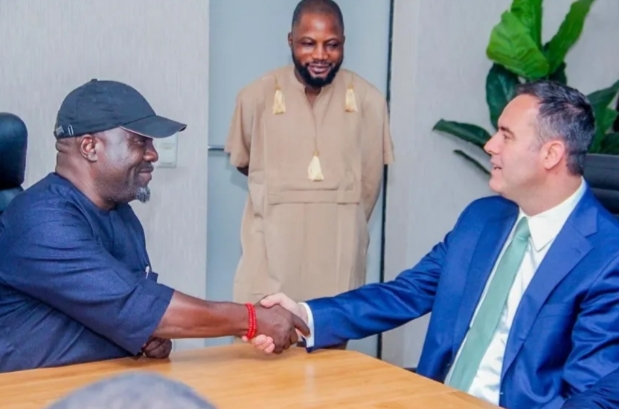
The agreement was reached in Abuja during a courtesy visit by Kosovo’s Deputy Prime Minister, Glauk Konjufca, to the Director General of the National Sports Commission (NSC), Hon. Bukola Olopade.

The partnership is expected to support the Federal Government’s Renewed Hope Agenda for the Nigerian Sports Economy (RHINS) by promoting collaboration in athlete development, technical exchange, and international sporting competitions.

Speaking during the meeting, Konjufca described Nigeria as one of Africa’s leading economies with enormous human and natural resources, expressing confidence that closer diplomatic and sporting ties would deliver mutual benefits for both nations.

According to him, Kosovo is encouraged by the warm reception it has received from the Nigerian Government and views the visit as the foundation for a long-term relationship between the two countries.

He revealed that his delegation had earlier met with the Secretary to the Government of the Federation, Senator George Akume, before engaging with officials of the National Sports Commission to explore opportunities for sports cooperation.

As part of the proposed collaboration, Kosovo has suggested an international friendly football match between the senior national teams of both countries. The Deputy Prime Minister also proposed technical partnerships and capacity-building programmes in judo, highlighting Kosovo’s impressive record of producing world and Olympic champions in the sport.

Responding, NSC Director General Bukola Olopade welcomed the initiative and described Kosovo’s decision to partner with Nigeria as a testament to the country’s growing influence in global sports.

Olopade assured the Kosovo delegation that the National Sports Commission is fully committed to building productive international partnerships capable of delivering lasting benefits to athletes, sports administrators, and both nations.

He explained that, under the directive of President Bola Ahmed Tinubu, the Commission is implementing policies aimed at transforming sports into a vibrant economic sector capable of creating jobs, attracting investment, and driving national development.

According to him, the partnership with Kosovo aligns with the Commission’s broader vision of building a sustainable sports ecosystem while expanding Nigeria’s international sporting footprint.

The proposed collaboration is expected to open new opportunities in football, judo, coaching development, athlete exchange programmes, and sports administration, further strengthening bilateral relations between Nigeria and Kosovo through the power of sports diplomacy.

If fully implemented, the agreement could pave the way for regular sporting engagements, knowledge transfer, and increased international exposure for athletes from both countries while contributing to the continued growth of Nigeria’s sports industry.