All posts by Our Reporter

Modi Offers Forgiveness to Protesters Who Abused Him as Youth-Led Uprising Tests His Government

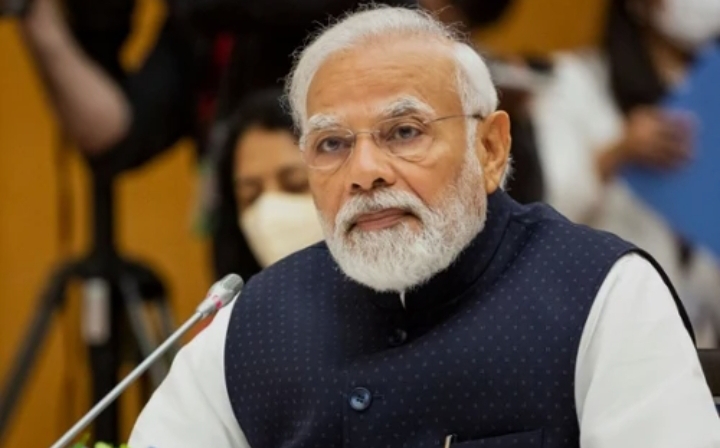
Indian Prime Minister Narendra Modi has offered to forgive young protesters who hurled insults at him and made derogatory remarks about his late mother during recent demonstrations, signalling a softer approach to a protest movement that has emerged as a rare political challenge to his government.

The remarks came after the online Cockroach Janta Party (CJP) mobilised thousands of young people in New Delhi and other Indian cities in protests initially sparked by anger over examination paper leaks.

What began as a campaign against alleged failures in the education system soon developed into a broader expression of frustration over unemployment, governance and the direction of the country, putting increasing pressure on Modi’s administration and culminating in the resignation of Education Minister Dharmendra Pradhan.

At the centre of the controversy were videos circulated widely online showing some protesters directing abusive language at the prime minister. The protesters subsequently faced online attacks from Modi supporters, while police complaints were reportedly filed against some of those involved.

Indian authorities have also approached social media platforms, including Meta and X, seeking the removal of content they described as abusive or manipulated and targeted at the prime minister.

But Modi has now chosen a markedly conciliatory tone.

In a video posted on Instagram late Friday, the 75-year-old prime minister acknowledged the abusive remarks made during the demonstration at Jantar Mantar, while appealing for forgiveness and understanding.

He said some young protesters had used language that had no place in a civilised society and that the insults had extended beyond him to his late mother.

Rather than advocating punishment, Modi said youthful mistakes should be corrected through guidance and counselling, particularly in cases where young people may have acted without fully appreciating the consequences of their actions.

The intervention could represent an important attempt by the prime minister to de-escalate tensions with a generation that has increasingly turned to social media to express dissatisfaction with government policies.

The battle for India’s young digital audience

Perhaps more significant than the protests themselves is the growing battle for influence on social media.

Since the demonstrations began, Modi has increasingly used Instagram to communicate directly with young Indians — the same digital space where the CJP has built much of its support.

The contrast in online reach is striking. According to the figures cited in the report, Modi’s ruling party has about 9.6 million Instagram followers, while the CJP, despite being launched only in May, has amassed more than 26 million followers.

That disparity underscores how quickly a youth-focused political movement can build an audience outside traditional political structures.

For Modi, the challenge is therefore not simply about containing street protests. It is also about winning back the attention and confidence of young people online.

From examination leaks to a wider political message

The protests demonstrate how a single grievance can evolve into a much larger political movement.

Examination paper leaks provided the immediate trigger, but anger over the issue quickly became intertwined with concerns about unemployment, opportunities for young people and governance.

The resignation of the education minister further elevated the political significance of the protests, suggesting that the movement had moved beyond an isolated education-sector dispute.

Modi’s decision to speak directly to the protesters could consequently be viewed as an attempt to change the narrative — from confrontation and police complaints to reconciliation and political engagement.

His message of forgiveness may also be calculated to prevent the controversy over abusive remarks from overshadowing the substantive issues that brought young people onto the streets in the first place.

A test of Modi’s political strategy

The coming months could determine whether the government’s conciliatory approach succeeds in calming the movement or whether the protests develop into a broader political force.

For Modi, the challenge is particularly significant because the protesters represent a constituency that is highly active online and less dependent on traditional political organisations for mobilisation.

The prime minister’s outreach therefore goes beyond forgiving a few protesters.

It is an attempt to reconnect with a generation whose political influence is growing rapidly — and whose grievances over education, employment and governance could become increasingly difficult for any government to ignore.

The episode has consequently produced an unusual political moment: a government facing angry young protesters, a rapidly expanding online movement and a prime minister choosing forgiveness over confrontation.

Whether that gesture will restore trust, however, may ultimately depend less on the words spoken on Instagram and more on what happens to the issues that first brought the young protesters into the streets.
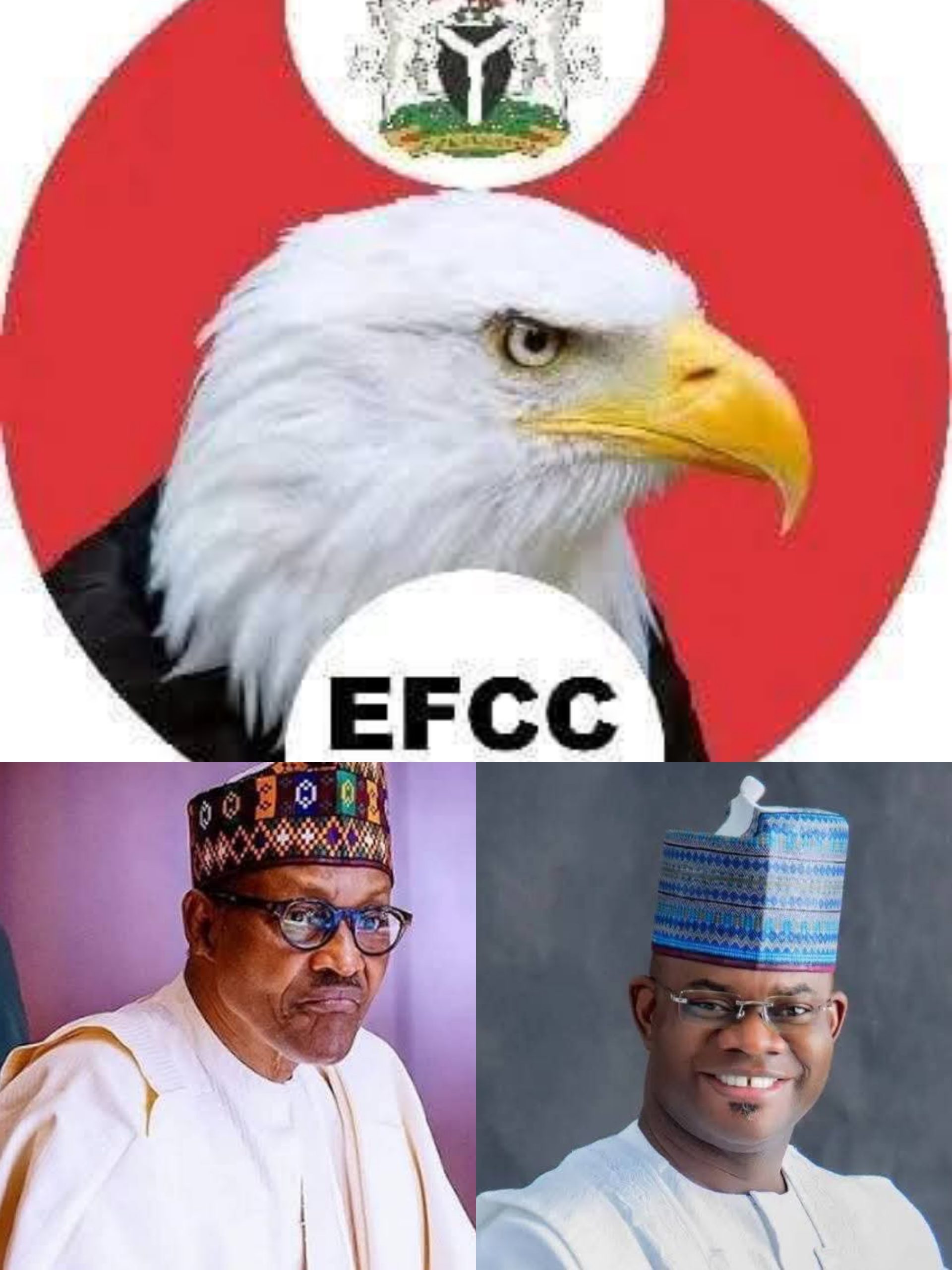
“The Battle to Kill EFCC, ICPC and NFIU: How 16 Governors Lost at the Supreme Court” — Ekene Aninze, Esq.

In 2023, 16 State Governors, through their Attorneys-General, approached the Supreme Court to help them scrap EFCC, ICPC and the Nigerian Financial Intelligence Unit (NFIU).

What triggered the action?

On January 5, 2023, the Federal Government, through the Nigerian Financial Intelligence Unit (NFIU), introduced a guideline.

The guideline mandated a total ban on cash withdrawals from all public accounts across the federal, state and local government tiers.

With the guideline, no public official was permitted to withdraw cash from a government vault or bank counter except with the express waiver of the President.

The State Governments saw this as a direct infringement on their autonomy.

So, in February 2023, the Attorney-General of Kogi State and other States approached the Supreme Court to nullify the laws establishing these anti-graft agencies.

According to the States, the National Assembly cannot legislate on the management, administration or alleged misappropriation of state and local government public funds, which fall strictly within the oversight of State Houses of Assembly.

Relying heavily on Section 12 of the 1999 Constitution, the States also argued that the EFCC Act was a direct byproduct of an international treaty, the United Nations Convention Against Corruption.

And that because the National Assembly failed to get a majority of State Houses of Assembly to ratify the law before passage, the EFCC Act was unconstitutional and inapplicable to the States.

They concluded by saying that the NFIU guidelines disrupted state operations and illegally interfered with local governance structures.

On the other hand, the Attorney-General of the Federation argued that public funds must be protected under federal anti-corruption laws to prevent State Governors from unilaterally draining public coffers.

He also drew the attention of the Supreme Court to a previous precedent in Attorney-General of Ondo v. Attorney-General of the Federation, which had already affirmed that corruption is a nationwide menace that the National Assembly has the absolute power to curb through centralized agencies.

On November 15, 2024, a seven-member panel of the Supreme Court, led by Justice Uwani Musa Abba-Aji, delivered a unanimous judgment that knocked the arguments of the States off.

According to the Supreme Court, the EFCC Act, ICPC Act and NFIU Act are all constitutional, and that the bodies possess full powers to investigate and prosecute financial crimes at all levels of government, whether federal, state or local.

The court held that the National Assembly has the ultimate power to enact anti-graft legislation.

And that the EFCC Act grew out of an international convention, which the National Assembly was fully competent to pass into law without State Assembly approvals.

The court concluded by saying that while States can pass local laws, no State legislation can compete with, contradict or invalidate Acts of the National Assembly, and that any local statute designed to frustrate federal anti-graft agencies is unconstitutional.

In the end, the case was dismissed.

That was how State Governors failed to get the Supreme Court to scrap EFCC, ICPC and NFIU.

If they had succeeded, that case would have ended the lifespan of the anti-graft bodies as we know them.

The case is cited today as Attorney-General of Kogi State v. Attorney-General of the Federation, SC/CV/178/2023.

I am Ekene Aninze, Esq.

Abia Set to Host 1,000+ Paediatricians as Emetu Pledges Government Support for PANConf 2027

Umuahia, July 31, 2026 — Abia State is set to welcome more than 1,000 paediatricians and other healthcare professionals from across Nigeria and beyond as the state prepares to host the 58th Annual General Meeting and Scientific Conference of the Paediatric Association of Nigeria (PANConf) in April 2027.

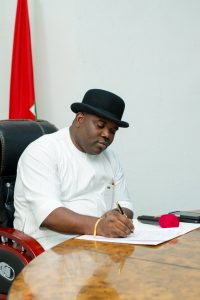
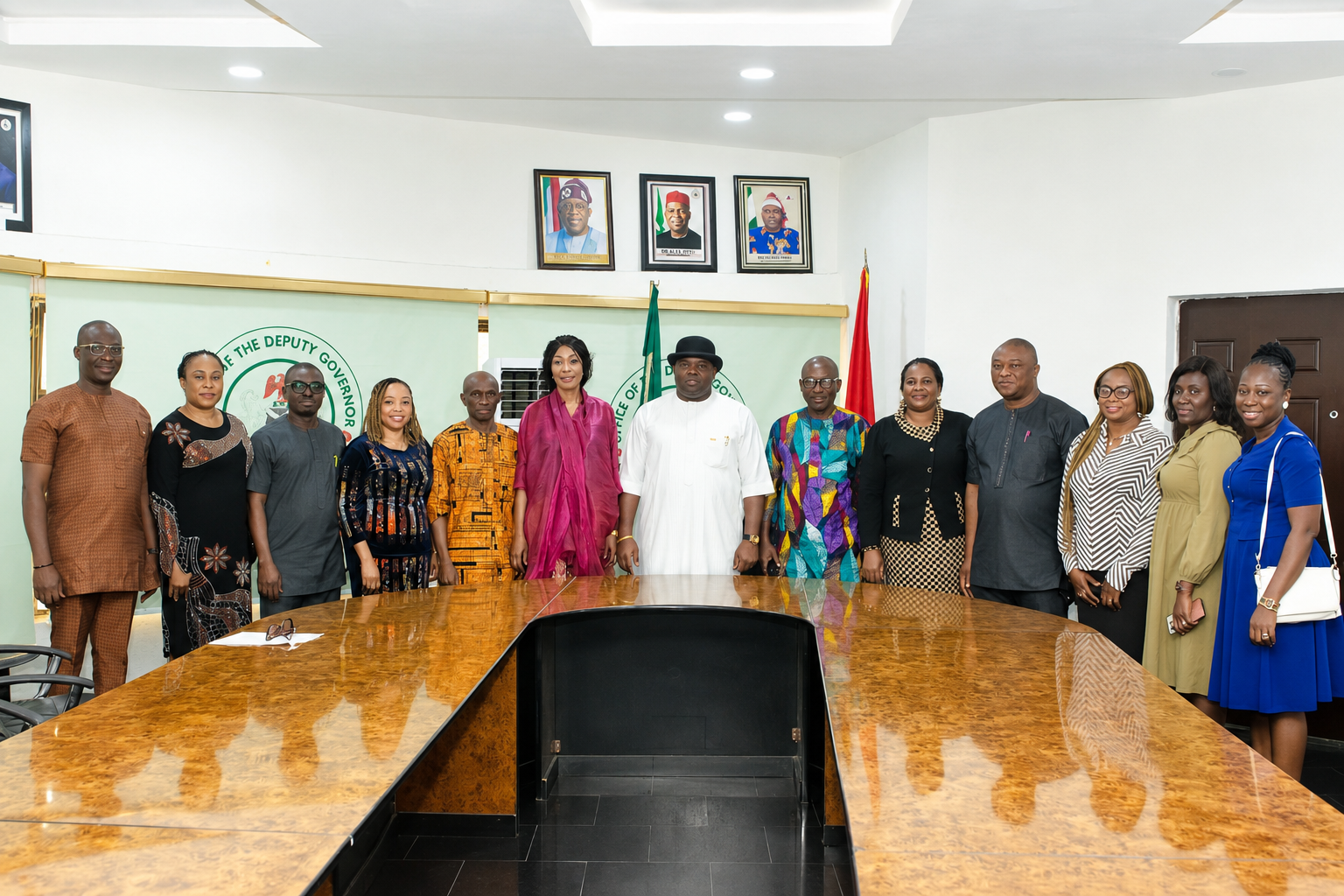
The State Deputy Governor, Engr. Ikechukwu Emetu, FNSE, has assured the Paediatric Association of Nigeria (PAN) of the state government’s readiness to provide substantial financial and logistical support towards the successful hosting of the landmark conference.

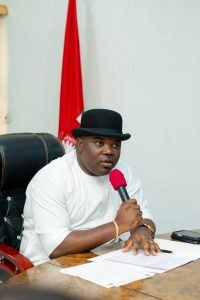
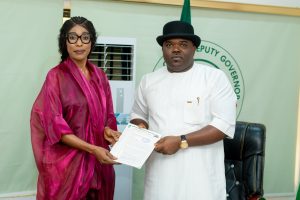
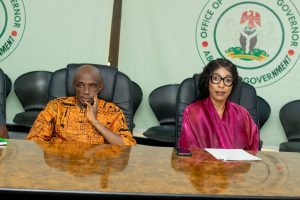
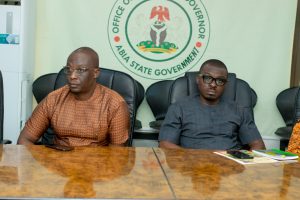
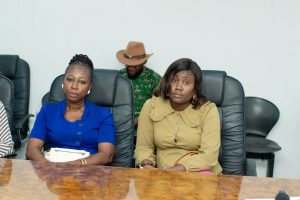
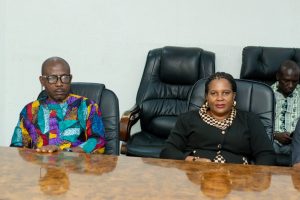
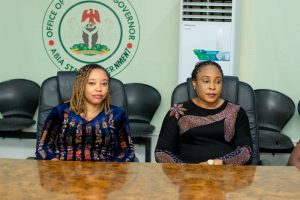
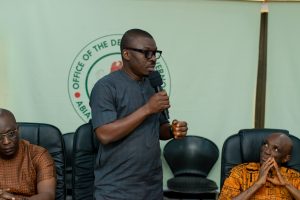
Engr. Emetu gave the assurance on Friday when a high-level delegation of the PANConf 2027 Local Organizing Committee, led by its Chairman, Dr. Oluchi Mildred Izuka, paid him a courtesy visit at his office in Government House, Umuahia.

The Deputy Governor said the growing number of national professional organisations choosing Abia as a destination for major conferences was evidence of the transformation taking place across the state under the administration of Governor Alex Chioma Otti, OFR.

He cited recent conferences hosted by professional bodies including the Nigerian Institution of Estate Surveyors and Valuers, the Nigerian Bar Association and the Nigerian Institute of Safety Professionals as examples of Abia’s emerging status as a preferred destination for national gatherings.

“The beauty of this is all about the development going on in Abia State. And I must say, it’s a positive problem that the state government has inherited,”

Engr. Emetu described the influx of major conferences into the state as a welcome challenge arising from Abia’s improving infrastructure, security and overall development.

Emetu Promises Budgetary Provision

Responding to the Local Organizing Committee’s request for financial support, the Deputy Governor said the timing of the presentation was particularly important as it would enable the government to make appropriate provisions in the 2027 budget.

He disclosed that he would immediately forward the proposal to Governor Otti and the Commissioner for Health to ensure that the conference receives the necessary consideration during the state’s budgetary process.

“Definitely, I will put my green pen on it so that the government will be able to come maybe halfway to support PAN. I will minute this to His Excellency and also to the Honourable Commissioner for Health so it will be captured in the budget,”

The Deputy Governor also urged PAN to work closely with the Abia State Primary Health Care Development Agency and health authorities across the state’s 17 Local Government Areas to ensure that the benefits of the conference extend beyond the conference venue.

He specifically called for greater collaboration in strengthening grassroots paediatric healthcare delivery through the state’s network of primary healthcare centres.

“We also want PAN to try as much as possible to have a proper handshake with the state council for primary healthcare and also in all our 17 local governments where we have all our primary healthcare centres littered across the state.”

Historic Victory for Abia

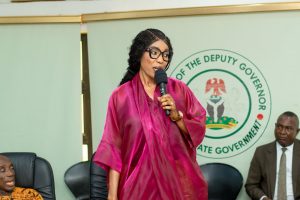
Earlier, the Chairman of the PANConf 2027 Local Organizing Committee, Dr. Oluchi Mildred Izuka, said the decision to bring the conference to Abia represented a historic achievement for the state and the Association’s local chapter.

According to her, Abia had never hosted the PAN annual conference in the 57 years of the Association’s existence until it successfully won the bid to host the 58th edition.

She attributed the successful bid to the increasing national recognition of the state’s transformation under the Otti administration, particularly in infrastructure, security and healthcare.

“For 57 years, we have not been able to achieve this milestone. For the first time, we have won the bid to host PANConf in Abia State.”

Dr. Izuka said the victory demonstrated that Nigerians were taking notice of the changes taking place across the state.

The five-day conference is scheduled for April 19–23, 2027, with more than 1,000 delegates expected to attend.

Free Paediatric Healthcare Training for Abia

Beyond the scientific sessions, the conference is expected to leave a lasting capacity-building legacy in Abia’s healthcare system.

The first two days will feature pre-conference workshops, including Helping Babies Breathe and Neonatal Resuscitation Training, targeted at more than 200 Community Health Extension Workers.

The training will be provided free of charge by PAN as part of its contribution to the host state.

Healthcare professionals at the secondary and tertiary levels will also benefit from training in Basic Life Support and Paediatric Advanced Life Support.

The organisers believe the capacity-building initiatives will strengthen the ability of healthcare workers to respond effectively to emergencies involving newborns, infants and children.

Abia’s Story to Take Centre Stage

Dr. Izuka further explained that PANConf 2027 would provide an important platform for showcasing Abia State to thousands of visitors from across Nigeria and beyond.

In addition to the state’s healthcare achievements, delegates will have an opportunity to experience Abia’s peaceful environment, cultural heritage, tourism attractions and the globally recognised Made-in-Aba products.

The Local Organizing Committee consequently presented a detailed budget to the Deputy Governor and appealed for financial and logistical support from the state government to ensure that Abia delivers a conference befitting its new profile.

‘They Want to Experience Abia’

In his vote of thanks, the Secretary of the Local Organizing Committee, Dr. Alex Nwosu, expressed appreciation to the Deputy Governor for the warm reception and the administration’s commitment to supporting the conference.

He commended the leadership of Governor Otti, describing the transformation taking place in the state as a development that has renewed the confidence and pride of Abians.

Dr. Nwosu recalled the excitement that followed Abia’s successful bid to host the conference at the Association’s meeting in Abeokuta in January.

According to him, the bid victory has generated considerable interest among Nigerians who are eager to visit the state and see its transformation for themselves.

“The stories are out there. They want to experience Abia. And this was made possible by the distinguished leadership of this state under Dr. Alex Otti, whom you work in tandem with.”

The PANConf delegation included members of the Local Organizing Committee, while aides to the Deputy Governor and Directors of Administration and Protocol were also present.

With the state government’s commitment to supporting the event and PAN’s promise of free specialised training for healthcare workers, the 2027 conference is expected to combine professional development with a broader opportunity to showcase Abia’s emerging transformation to a national audience.

Osun 2026: Accord Raises Alarm Over Arrest of 100 Members, Demands Police Commissioner’s Removal

The political temperature in Osun State has risen further ahead of the August 15 governorship election, with the Accord Party accusing the police of allegedly targeting its members, candidates and supporters in what it describes as a politically motivated crackdown.

The party has petitioned President Bola Ahmed Tinubu, the Inspector-General of Police, Olatunji Disu, the National Security Adviser and other key stakeholders, seeking urgent intervention over what it described as widespread harassment, intimidation, arrest and detention of its members across the state.

Accord also renewed its demand for the removal of the Osun State Commissioner of Police, Ibrahim Gotan, accusing him of alleged partisanship and expressing concern that his continued stay in office could affect confidence in the electoral process.

The allegations were contained in a statement issued on Thursday by the party’s National Chairman, Maxwell Mgbudem.

According to Mgbudem, about 100 Accord leaders, candidates, members and supporters have allegedly been arrested and detained in different parts of the state, with some reportedly transferred to Abuja.

The party chairman described the development as an assault on democratic values and warned that the alleged arrests could weaken the party’s campaign activities and undermine the credibility of the forthcoming election.

Accord Alleges Double Standard

Mgbudem alleged that Accord had previously reported attacks on its campaign council, party offices, supporters and campaign materials to the police and other security agencies, but that the perpetrators had not been brought to justice.

He specifically cited alleged attacks on the Imole Campaign Council, destruction of campaign billboards and what the party described as the killing of some of its leaders and supporters.

According to the Accord chairman, the party’s frustration over what it considers inadequate response to those incidents informed its earlier demand for the removal of the state Commissioner of Police.

The latest allegations, however, have taken the political dispute to another level, with Accord now asking federal authorities and other stakeholders to intervene.

‘Politically Motivated’

The party alleges that the arrests are politically motivated and intended to frustrate its grassroots campaign ahead of the governorship poll.

Accord said it was particularly concerned about what it described as the arrest and detention of party leaders and government officials without formal charges.

The party has therefore appealed to the Presidency, the police hierarchy, civil society organisations, the international community and other stakeholders to take steps to protect what it considers a level playing field for all contestants.

At the same time, Accord urged its members and supporters not to respond to alleged provocation with violence.

That call for restraint could prove significant as political activity intensifies across Osun and rival parties increase their mobilisation ahead of election day.

‘The Ballot Is Stronger Than the Bullet’

In a striking political message, the party declared that no amount of force would discourage its supporters from backing its candidate.

Its assertion that “the ballot is stronger than the bullet” has become the central message of its latest appeal, underscoring the party’s insistence that political contests should ultimately be decided through votes rather than intimidation or force.

Accord also urged eligible voters in Osun to obtain their Permanent Voter Cards and participate actively in the electoral process.

The Bigger Question: Can Osun Guarantee a Level Playing Field?

The allegations have introduced another contentious issue into an already competitive election season.

Security agencies have consistently maintained that their responsibility is to protect lives and property and provide a peaceful environment before, during and after elections, while remaining neutral among competing political parties.

Against that backdrop, the allegations by Accord will require careful scrutiny.

If the arrests occurred as alleged, questions will arise over the legal basis for the arrests, the identity of those detained, the offences alleged against them and whether due process was followed.

Conversely, if individuals were arrested in connection with genuine criminal or electoral offences, the police would be expected to provide sufficient clarity and evidence to dispel perceptions of political interference.

Either way, transparency will be critical.

Election Security Under Spotlight

With the August 15 governorship election drawing closer, the focus will increasingly shift to the conduct of security agencies and the ability of political parties to campaign without fear or intimidation.

A credible election requires more than the mere presence of security personnel at polling units. It also requires public confidence that law-enforcement agencies are applying the law fairly and without favour.

For Accord, the latest petition represents an attempt to draw federal attention to what it considers a serious threat to its participation in the election.

For the security agencies, the challenge is to demonstrate that every arrest, investigation and deployment is based on law and security considerations rather than political affiliation.

As the campaigns gather momentum, the central question is no longer simply who will win Osun.

It is whether every contestant and voter will have sufficient confidence that the contest will be decided by the ballot—and that the ballot will be protected.

Osun 2026: SSG’s Arrest Deepens Political Tension as Police, State Government Clash Over Recovered PVCs, Registers

The political atmosphere in Osun State has taken a dramatic turn following the arrest of the Secretary to the State Government (SSG), Teslim Igbalaye, by the police over allegations bordering on possible electoral offences.

The development has immediately triggered a fresh political debate in the state, coming at a particularly sensitive period ahead of the governorship election.

According to the police, the operation at the SSG’s residence led to the recovery of cash, voter registers, Permanent Voter Cards (PVCs) and other materials which investigators believe may be relevant to alleged electoral infractions.

The police have said the items are being examined as part of an investigation into circumstances surrounding their possession and possible use.

But the Osun State Government has rejected the police operation, describing it as unlawful and questioning the circumstances surrounding the search and arrest of the senior government official.

The conflicting positions have consequently created two sharply different narratives.

On one side is the police, which maintains that the operation was connected to an investigation and that the recovered materials require scrutiny. On the other is the state government, which regards the action as improper and potentially politically motivated.

Electoral Season and Political Sensitivities

The timing of the incident has added another layer of significance.

With political parties and their supporters already positioning themselves ahead of the governorship election, any development involving voter registers, PVCs or other electoral materials is bound to attract considerable public attention.

Electoral materials are particularly sensitive because of their potential implications for the credibility and integrity of the electoral process.

However, the mere recovery of such items does not, by itself, establish criminal culpability. The police investigation, due process and, where necessary, judicial proceedings will ultimately determine whether any offence was committed.

This distinction is important in an atmosphere where political accusations can quickly become campaign weapons.

A Clash of Narratives

The controversy is now developing beyond the arrest itself.

For the police, the central question appears to be why such materials were allegedly found at the residence of a high-ranking government official and whether their possession breached electoral laws.

For the state government, the questions may include the legality of the search, the circumstances of the arrest and whether law-enforcement powers are being deployed appropriately in the heat of political competition.

Both narratives are likely to receive intense political attention as the election approaches.

What Happens Next?

The next stage of the investigation will therefore be crucial.

The police will be expected to provide clarity on the circumstances surrounding the recovered materials and, if appropriate, establish the specific electoral offences allegedly involved.

The state government, meanwhile, will likely continue to challenge the legality of the operation and defend the SSG.

For the people of Osun State, the bigger issue is the integrity of the electoral process.

Any genuine investigation into electoral malpractice should be conducted transparently and according to the law, while political actors must equally avoid turning unproven allegations into established facts.

The arrest of Teslim Igbalaye has undoubtedly opened another politically charged chapter in Osun State.

Whether it ultimately becomes a legitimate law-enforcement investigation or another flashpoint in the state’s increasingly competitive political landscape will depend largely on what the investigation establishes—and whether due process is allowed to run its course.

60 Years After Ironsi: Tinubu, Obasanjo, Otti Unite in Umuahia to Honour Nigeria’s First Military Head of State

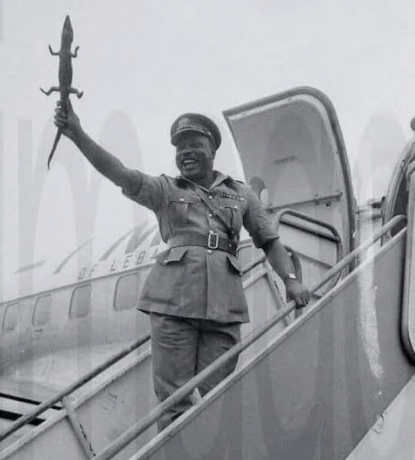
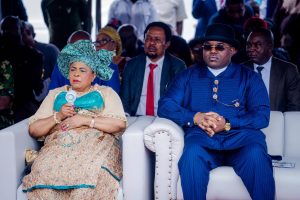
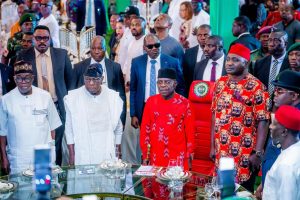
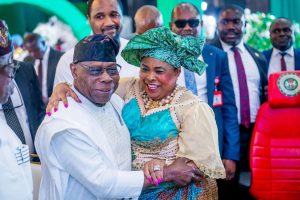
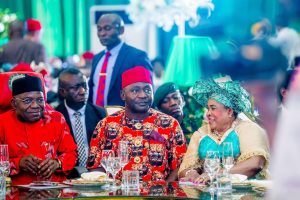
Umuahia, the capital of Abia State, became the centre of national remembrance on Wednesday as President Bola Ahmed Tinubu, former President Olusegun Obasanjo, Dame Patience Jonathan and other eminent Nigerians paid glowing tribute to Nigeria’s first Military Head of State, the late Major-General Johnson Thomas Umunnakwe Aguiyi-Ironsi, during the 60th memorial anniversary of his death.

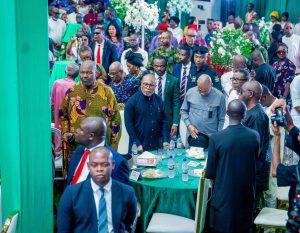
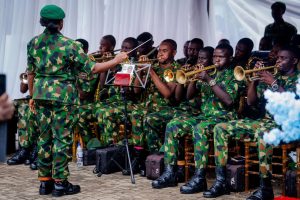
The solemn event, held at the International Conference Centre, Umuahia, attracted political leaders, senior military officers, traditional rulers, religious leaders, diplomats and members of the Aguiyi-Ironsi family, all united by a common purpose—to celebrate the life and enduring legacy of one of Nigeria’s most remarkable military leaders.

President Tinubu, represented by the Minister of Defence, General Christopher Gwabin Musa (Rtd.), described the late Aguiyi-Ironsi as an exceptional patriot who devoted his life to the unity, peace and stability of Nigeria.

According to the President, General Aguiyi-Ironsi assumed leadership during one of the country’s most turbulent political periods and displayed uncommon courage, discipline and unwavering loyalty to the Nigerian nation.

He said the values exemplified by the late military leader—patriotism, integrity, discipline, selfless service and national unity—remain indispensable to Nigeria’s continued growth and democratic development.

President Tinubu also used the occasion to commend Governor Alex Otti for what he described as exemplary leadership in Abia State, noting that the governor has set a remarkable standard in governance through visible development delivered without unnecessary publicity.

Expressing optimism about the governor’s political future, General Musa said he looked forward to returning to Abia to celebrate Governor Otti’s second-term inauguration.

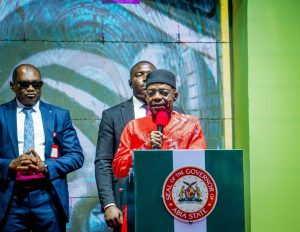
In his keynote address, Governor Alex Otti called on Nigerians to embrace unity above ethnic and sectional interests, insisting that the country stands stronger together than divided.

He described the late Aguiyi-Ironsi as a courageous patriot whose willingness to sacrifice everything for Nigeria should continue to inspire present and future generations of leaders.

“We came here to celebrate a man who gave his life for the rest of us. Personally, I believe we are better off as one country, connected and working together, than divided,” Governor Otti declared.

The governor also reaffirmed his administration’s commitment to meritocracy, explaining that appointments into public offices in Abia are determined by competence, integrity and capacity rather than ethnicity or state of origin.

To demonstrate this commitment, Governor Otti cited the appointment of an indigene of Edo State as the Head of Service of Abia State, describing it as evidence that his administration rewards excellence irrespective of background.

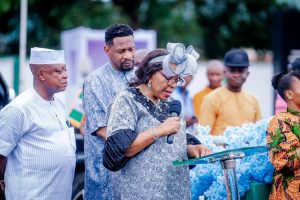
He equally paid tribute to former President Olusegun Obasanjo, whom he described as a father and mentor, while appreciating Dame Patience Jonathan for her continued commitment to preserving Nigeria’s history and promoting national unity.

The gathering featured goodwill messages from former President Olusegun Obasanjo, former Chief of Army Staff General Azubuike Onyeabo Ihejirika (Rtd.) and former First Lady Dame Patience Jonathan.

The trio described Aguiyi-Ironsi as a courageous patriot whose sacrifice remains one of the defining moments in Nigeria’s history, urging Nigerians to continue promoting peace, patriotism and national cohesion.

They also applauded Governor Otti for sustaining initiatives that preserve Nigeria’s historical heritage and strengthen national unity.

One of the emotional highlights of the ceremony came when Mrs. Louisa Aguiyi-Ironsi presented the citation of her late father.

She described him as a nationalist whose leadership was founded on discipline, professionalism, patriotism and merit, stressing that the memorial was designed not to reopen old wounds but to preserve history and inspire future generations.

According to her, the commemoration serves as a reminder that the Nigerian dream must always be anchored on justice, accountability, discipline and the collective good.

Former Minister of Defence and first son of the late military leader, Ambassador Thomas Aguiyi-Ironsi, expressed gratitude to President Tinubu, Governor Otti and all Nigerians who participated in the memorial.

He praised Governor Otti’s performance in office, describing it as exceptional and deserving of a second term.

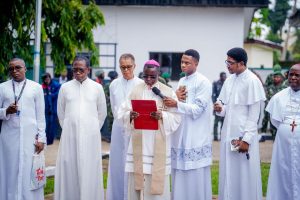
The event also featured a special prayer session led by the Bishop of the Catholic Diocese of Umuahia, Most Rev. Michael Kalu Ukpong, who consecrated the tomb of the late General Aguiyi-Ironsi at the Aguiyi-Ironsi Conference Centre.

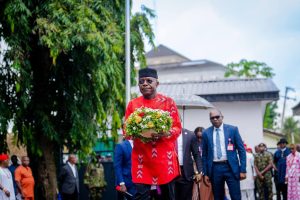
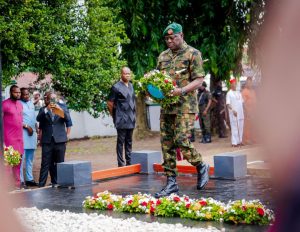
A symbolic wreath-laying ceremony followed, with wreaths laid by President Tinubu’s representative, Governor Alex Otti, representatives of Governor Chukwuma Soludo of Anambra State, Dame Patience Jonathan and other distinguished personalities.

Sixty years after his death, the memory of Major-General Johnson Thomas Umunnakwe Aguiyi-Ironsi continues to resonate across Nigeria—not merely as the country’s first Military Head of State, but as a symbol of patriotism, sacrifice and an enduring belief in a united Nigeria.

The memorial in Umuahia was more than a remembrance ceremony; it was a national call for unity, visionary leadership, meritocracy and the preservation of the ideals that continue to bind the country together.

NIWA Intensifies Waterway Safety Campaign in Abuja as Flood Risks Rise During Peak Rainy Season

As Nigeria enters the peak of the rainy season with rising water levels and heightened environmental concerns, the National Inland Waterways Authority (NIWA) has intensified its campaign to promote marine safety and environmental protection across waterfront communities in the Federal Capital Territory (FCT).

The renewed effort took the NIWA Abuja Area/Liaison Office to communities in the Abaji Area Council on Wednesday, where residents were sensitised on safe navigation practices, accident prevention, and the importance of protecting the nation’s inland waterways from pollution.

The campaign comes at a critical time when increased rainfall often leads to dangerous water conditions, making safety awareness essential for communities that rely on waterways for transportation and livelihoods.

Speaking during the exercise, the Area Manager of NIWA Abuja, Hajia Aisha Eri, commended the host communities for their warm reception and cooperation. She reaffirmed the agency’s commitment to ensuring safer inland waterways through continuous public enlightenment and strict enforcement of safety standards.

According to her, the sensitisation programme aligns with the Renewed Hope Agenda of President Bola Ahmed Tinubu’s administration, which places high priority on safeguarding lives and enforcing a zero-tolerance policy against water transportation accidents and other violations of established safety regulations.

Traditional institutions also threw their weight behind the initiative. The Emir of Kwali, HRH Alhaji Adamu Saba Aguma, praised NIWA for taking proactive steps to educate riverine communities, assuring the agency of the full support of traditional rulers in promoting compliance with waterway safety regulations.

Other community leaders, including John Dogole, District Head of Kundu and Sarkin Tungbufu; Mohammed Yusuf Ayahaya Nassarawa, Sarkin Nassarawa; Musa Wabai, Sarkin Kutara; Musa Alanana, Sarkin Kwago and Padama; and Abdullahi Kwakwa, Sarkin Kwakwa, equally applauded the awareness campaign. They pledged to work closely with NIWA in ensuring that residents observe the safety measures introduced during the exercise.

The nationwide sensitisation campaign follows a directive from the Minister of Marine and Blue Economy, Adegboyega Oyetola, mandating sustained engagement with littoral communities to reduce accidents and promote environmental sustainability across Nigeria’s inland waterways.

Similarly, the Acting Managing Director of NIWA, Alhaji Umar Yusuf Girei, has instructed all Area Offices to treat the campaign as a top operational priority.

With the Abuja Area Office set to extend the exercise to more waterfront communities across the FCT in the coming week, NIWA says the initiative remains a key strategy in preventing avoidable waterway accidents while fostering a culture of environmental responsibility among residents.

As the rainy season continues, the authority is urging all water transport operators, boat users, and riverside communities to comply with safety regulations, use approved life jackets, and support efforts to keep Nigeria’s inland waterways safe and free from pollution.

Nigeria Congratulates São Tomé President Carlos Vila Nova on Re-election, Pledges Stronger Bilateral Ties

The Federal Government of Nigeria has congratulated President Carlos Vila Nova of São Tomé and Príncipe on his re-election, describing the peaceful electoral process as another demonstration of the country’s commitment to democracy, the rule of law and constitutional governance.

In a statement issued by the Ministry of Foreign Affairs, Nigeria commended the people of São Tomé and Príncipe for participating peacefully in the electoral process and reaffirmed its solidarity with the island nation.

The Federal Government said the outcome of the election reflects the commitment of the people of São Tomé and Príncipe to democratic values and the rule of law.

Nigeria also pledged to deepen bilateral relations with São Tomé and Príncipe, particularly in areas of mutual interest, including regional peace and security, economic development and democratic consolidation.

According to the statement, the Federal Government remains committed to strengthening the longstanding relationship between both countries and exploring opportunities that would promote shared prosperity and stability.

Nigeria further wished President Vila Nova a successful second term in office, expressing optimism that his administration would continue to advance the progress and development of São Tomé and Príncipe.

The Federal Government also prayed for continued peace, stability and prosperity for the people of São Tomé and Príncipe, while reaffirming Nigeria’s readiness to work with the country towards stronger regional cooperation.

President Vila Nova’s re-election, Nigeria noted, provides another opportunity for both countries to strengthen their partnership and contribute to greater democratic stability and economic development within the region.

Reps Uncover 29 Allegedly Forged Documents in PFIPC Scandal, Give Police 48 Hours to Produce ‘DG’

The House of Representatives has uncovered what lawmakers described as an elaborate attempt to give legitimacy to the controversial Presidential Foreign Investment Promotion Council (PFIPC), with investigators identifying about 29 documents allegedly forged in the name of top government institutions.

The development emerged on Monday as the House Ad Hoc Committee probing the council resumed its investigative hearing and directed the Inspector-General of Police, Olatunji Disu, to produce the self-acclaimed Director-General of the PFIPC, Adeyemi Adeniyi, before the committee within 48 hours.

Chairman of the committee, Hon. Yusuf Gagdi (APC, Plateau), said the discovery had significantly widened the scope of the investigation, noting that the suspected forgeries went beyond individual letters to documents purportedly establishing the council itself.

According to Gagdi, one of the documents under scrutiny was a purported Act of the National Assembly allegedly used to create the agency.

The committee said it had identified about 29 suspicious documents, including purported approvals and official correspondence attributed to the State House, the Office of the Secretary to the Government of the Federation, the Office of the Head of the Civil Service of the Federation, the Federal Ministry of Finance and other government institutions.

Gagdi said representatives of several affected institutions had appeared before the committee and disowned documents allegedly issued in their names.

The committee subsequently directed its Clerk, Baba Kaigama, to formally notify the Inspector-General of Police to ensure that Adeniyi appears before lawmakers by noon on Wednesday.

Police confirm criminal investigation

The demand for Adeniyi’s appearance followed revelations from the Nigeria Police Force that criminal investigations had already been instituted against him.

Representing the Inspector-General of Police, Assistant Commissioner of Police Bashir Abdullahi told the committee that the police had investigated part of the case and filed an eight-count charge against Adeniyi before the Federal High Court.

He said the suspect had been arrested and arraigned, but cautioned the committee against making disclosures capable of prejudicing the ongoing investigation and court proceedings.

The police also confirmed receiving a petition dated October 17, 2025, from the Office of the Chief of Staff to the President, alleging that Adeniyi falsely presented himself as the Director-General of both the Presidential Economic Advisory Council (PEAC) and the Presidential Foreign Investment Promotion Council.

The petition reportedly alleged that the purported office was used to seek accommodation within the Federal Secretariat, obtain approval to recruit about 300 personnel, pursue a N1.3 billion allocation in the 2026 Appropriation Act and plan a World Investment Summit.

Signature discrepancy raises fresh questions

The committee also examined documents purportedly originating from the Office of the Chief of Staff to the President and compared signatures on them with authentic official correspondence.

When asked whether the signatures matched, ACP Abdullahi responded that they did not.

The discrepancy, lawmakers said, further heightened concerns that some of the documents used by the purported council may have been forged.

How the alleged scheme reached the Treasury

A major revelation came from the Accountant-General of the Federation, Shamseldeen Ogunjimi, who told lawmakers that the Treasury had acted on correspondence it believed originated from the State House.

Ogunjimi said a letter dated November 7, 2024, bearing a State House reference number, requested the creation of an administrative code for the Presidential Economic Advisory Council to facilitate budgeting, accounting and financial reporting.

The Treasury processed the request and created the administrative code before communicating its approval to the State House.

The development later triggered additional requests allegedly linked to the purported council, including applications for self-accounting status, deployment of personnel, the opening of Treasury Single Account and domiciliary accounts, as well as funding approvals.

However, Ogunjimi stressed that no public funds were released to the organisation.

He said a request for an establishment grant of N27.4 billion was rejected because there was no budgetary provision for it.

Although the Central Bank of Nigeria subsequently opened two domiciliary accounts for the organisation, the accounts were never activated because the necessary regulatory requirements were not fulfilled.

‘The letter was hijacked’

Ogunjimi told lawmakers that the alleged fraud was initially difficult to detect because the correspondence received by the Treasury appeared to have come from the State House.

He said the Treasury later discovered that its response to the purported State House request never reached the Presidency.

According to him, the response was allegedly intercepted by the same individual who claimed to be the council’s Director-General.

The revelation raised questions about how official correspondence was allegedly intercepted and subsequently used to advance the activities of an organisation whose legitimacy was under investigation.

Treasury unaware of staff attachment

The committee also questioned the Accountant-General over how some civil servants originally posted to the Office of the Chief Economic Adviser to the President came to be attached to the purported council.

Ogunjimi said the Treasury received no formal communication informing it that the affected officials had been transferred or absorbed by another organisation.

He explained that the Treasury believed the officials remained with the Office of the Chief Economic Adviser because there was no official notification indicating otherwise.

The issue only came to light after the controversy surrounding the purported council emerged.

Probe continues

The House of Representatives constituted the ad hoc committee to investigate how the controversial PFIPC found its way into the 2026 Appropriation framework.

The investigation has already produced several revelations, including confirmation that two foreign-currency domiciliary accounts were opened for the organisation but never activated.

The Ministry of Foreign Affairs has also reportedly told the committee that it rejected requests from the purported agency after due diligence raised concerns about inconsistencies in its documentation.

With the committee now demanding the appearance of Adeniyi, lawmakers are expected to seek clarification on the origins of the documents, the identities of those behind the alleged scheme and how the purported council was able to engage multiple government institutions.

The committee said hearing directly from the self-acclaimed Director-General was now critical to its investigation, particularly because the controversy involves the names and institutional integrity of several government offices.

The investigation is ongoing, while the allegations remain subject to further findings by the House committee, the police and the courts.

US 12.5% Tariff: Nigerian Businesses Warn of Export Setback, Demand Urgent Federal Action

Nigerian business leaders have warned that the United States’ decision to impose a 12.5 per cent tariff on certain Nigerian exports could undermine the competitiveness of affected products in the American market, even as they acknowledged that exemptions for key raw materials could limit the broader impact on trade.

The United States announced the new tariff on July 23 as part of a trade measure targeting countries it said had failed to prohibit the importation of goods produced with forced labour.

The measure affects imports from 60 economies, including Nigeria, while countries such as India, Indonesia, Malaysia, Mexico and the United Kingdom will face a lower 10 per cent rate after adopting or committing to measures prohibiting imports linked to forced labour.

Reacting to the development, President of the Nigerian-American Chamber of Commerce, Sheriff Balogun, said the business community supported the global campaign against forced labour but believed diplomatic engagement with Washington offered the best route towards resolving the issue.

Balogun said the chamber did not view the measure as a hostile action but rather as an opportunity for Nigeria to demonstrate its commitment to responsible trade, transparent supply chains and international labour standards.

According to him, some Nigerian exporters will inevitably feel the impact of the tariff, particularly non-oil exporters such as agro-processors and small and medium-sized businesses dealing in cocoa products, cashew, sesame, leather and light manufactures.

He, however, pointed out that exemptions for key raw materials would cushion the impact on a substantial portion of Nigeria’s trade with the United States.

For smaller exporters operating on tight margins, Balogun noted, an additional 12.5 per cent cost could significantly affect competitiveness, pricing and business planning.

He expressed optimism that the tariff could eventually be reviewed, pointing to the lower rates granted to countries that have adopted or committed to measures addressing forced-labour imports.

Balogun said the Nigerian-American Chamber of Commerce would support the Federal Government’s engagement with the United States, work with American business partners and assist Nigerian exporters in improving supply-chain documentation and certification.

LCCI Calls for Urgent Assessment

The Director-General of the Lagos Chamber of Commerce and Industry, Dr Chinyere Almona, also warned that the tariff could directly affect Nigerian businesses exporting covered products to the United States.

According to Almona, the additional duty will increase the landed cost of Nigerian goods and could weaken their competitiveness against products from other countries in the American market.

She said exporters operating on thin margins and those heavily dependent on the US market would be particularly vulnerable, while the consequences could extend indirectly to logistics, manufacturing, agriculture, processing and other export-support sectors.

Almona, however, cautioned against making broad assumptions about the impact of the policy without determining precisely which Nigerian products and sectors are affected.

She called for an urgent product- and sector-level assessment to determine Nigeria’s actual exposure and the potential consequences for businesses, jobs and export earnings.

The LCCI chief urged the Federal Government to immediately engage the Office of the United States Trade Representative, review Nigeria’s trade and customs framework, strengthen enforcement against forced-labour imports, consult the private sector and accelerate efforts to diversify the country’s export base.

She also called for an early review, reduction or removal of the additional tariff.

Tariff Could Hit Export Competitiveness, Musa Warns

Chief Executive Officer of Widescope Group and member of the Nigerian-American Chamber of Commerce, Dr Segun Musa, similarly warned that the tariff would raise the landed price of Nigerian exports and weaken their competitiveness in the US market.

Musa acknowledged the right of sovereign nations to review their trade policies in pursuit of national interests but warned that the new measure could disrupt export projections for Nigeria and other affected economies.

He said the higher cost of exporting could affect employment, investment and foreign-exchange earnings if the measure persists.

Musa therefore urged the Federal Government to intensify diplomatic engagement with US officials, support exporters in improving competitiveness, develop alternative export markets and consider reviewing tariffs on selected US imports where Nigeria has competitive advantages.

CPPE: Don’t Overstate Economic Impact

However, the Chief Executive Officer of the Centre for the Promotion of Private Enterprise, Dr Muda Yusuf, offered a more measured assessment of the potential consequences.

In a policy brief, Yusuf said the immediate economic impact of the tariff on Nigeria was likely to be modest because the products affected represent only a small proportion of the country’s overall exports.

He noted that while some non-oil exporters, particularly businesses in agriculture and manufacturing, could lose competitiveness in the US market, Nigeria’s dominant export category to the United States remains outside the scope of the tariffs.

Yusuf said the development should therefore not be viewed primarily as an immediate threat to Nigeria’s overall export earnings or foreign-exchange receipts.

Instead, he argued that the tariff should serve as a warning about the changing nature of global trade, particularly the growing use of protectionist policies by major economies.

He called on Nigeria to strengthen labour standards, improve supply-chain transparency, deepen manufacturing and regional trade, diversify its export base and engage proactively with the United States through diplomatic and trade channels.

Nigeria Faces a Choice

The differing assessments from the private sector point to a common conclusion: the tariff may not pose a major immediate threat to Nigeria’s overall economy, but it could create significant difficulties for individual exporters and affected sectors.

For small and medium-sized exporters, an additional 12.5 per cent duty could make the difference between remaining competitive and losing market share.

The Federal Government therefore faces a dual task—protecting exporters from the immediate consequences of the measure while addressing the regulatory and labour-standard concerns underpinning the US policy.

Beyond seeking a review of the tariff, Nigeria will need to strengthen its export systems, improve documentation and supply-chain transparency, enforce labour standards and accelerate diversification into new international markets.

The bigger lesson may be that Nigeria cannot afford to rely heavily on a narrow range of commodities and markets.

As global trade becomes increasingly fragmented and protectionist, the country’s long-term competitiveness will depend on its ability to produce value-added goods, meet international standards and negotiate effectively with major trading partners.

For now, the 12.5 per cent tariff represents a headwind rather than an economic crisis. But how quickly Nigeria responds could determine whether the measure becomes a temporary setback—or a lasting obstacle for its exporters.